The 7% Interest Rate Reality: Why Operating Loans Are Eating Farm Profits
A rate near the figure in the headline sounds modest until you multiply it across a full season of borrowing. Here is how to see what interest really costs your operation.
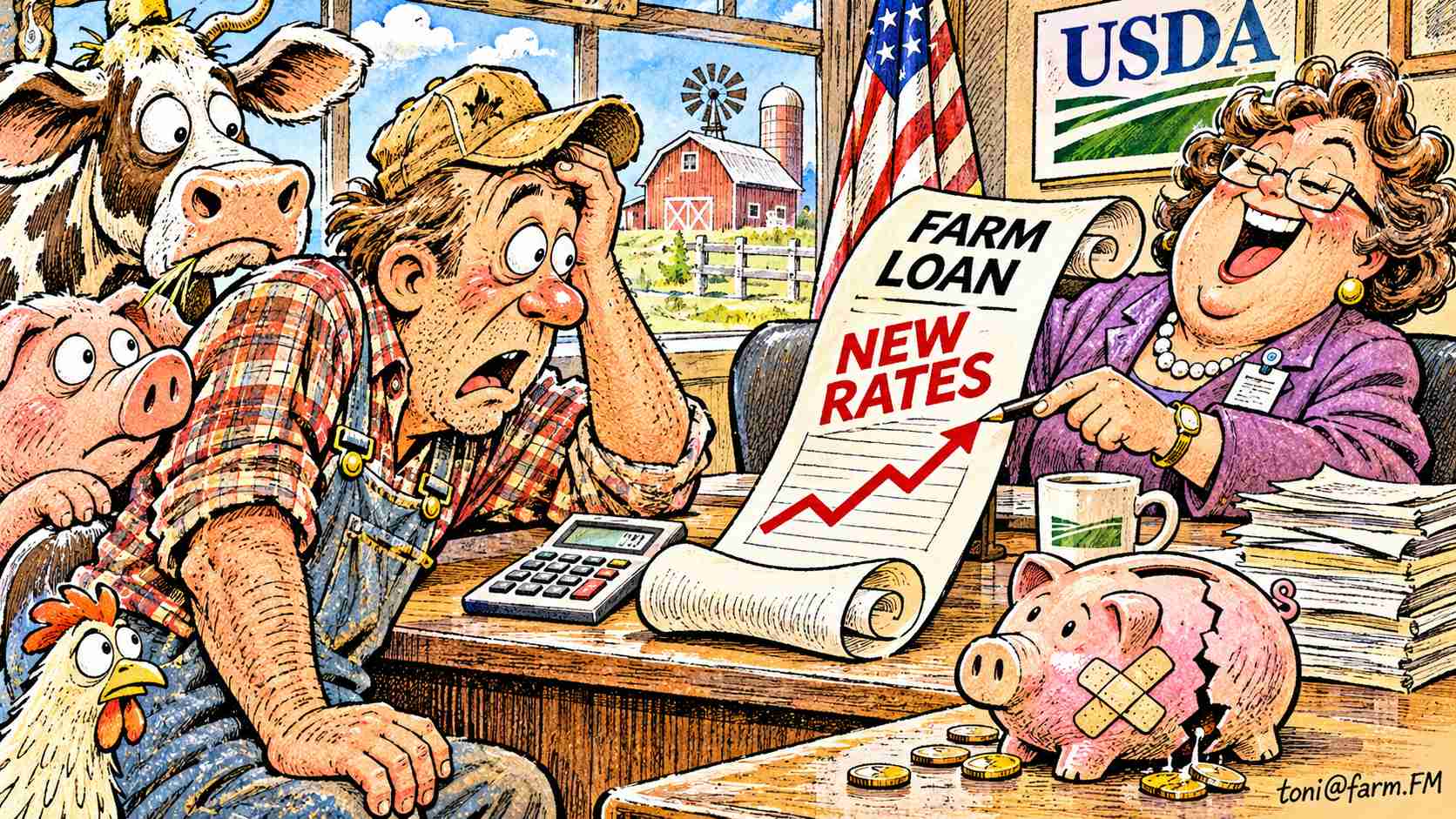
Why does the interest rate matter so much on an operating loan?
The 7% in the headline is a reported figure, and your own rate depends on your lender, your credit history and the day you borrow, so check current terms before you plan around it. What does not change is the arithmetic: interest is charged on money that is outstanding, and an operating loan is outstanding for most of the growing season.
A farm that borrows heavily in spring and repays at harvest pays interest on a large balance for months. When margins per acre are already thin, a few points of rate can account for a visible slice of the profit that was supposed to be left over.
Seasonality is the part many people overlook. A balance that sits low in winter and peaks in summer costs far less than one that sits high all year, even at the same quoted rate. Ask your lender how they calculate the average balance and whether your plan can shorten the time money is out.
How do you work out the true cost?
Do not stop at the quoted rate. Ask for the annual percentage rate, the fees, the draw schedule and whether interest is calculated on the daily balance. Then build a simple month by month schedule showing when you draw funds and when you repay. Average balance matters more than the headline limit.
The CFPB publishes plain explanations of loan terms and what to look for in an agreement. It is aimed at consumers, but the questions about fees, prepayment and total cost apply to farm borrowers as well.
- Ask for the rate type: fixed, variable or tied to an index.
- Ask about origination, inspection and renewal fees.
- Ask whether early repayment carries any penalty.
Who lends to farms in Oklahoma, and how do they differ?
Local banks, credit unions, Farm Credit associations and USDA FSA loan programs all serve producers. They differ in rate structure, collateral requirements, how they treat family labor and how patient they are in a bad year. A bank that knows Enid and the surrounding wheat country may read your history differently than one reviewing a file from far away.
Get at least two or three written proposals. You are not being disloyal by asking. Farm Credit associations are cooperative lenders and the FDIC offers information on banks, and the Oklahoma State Banking Department oversees state-chartered banks. This is general education, not financial advice.
If you are newer to operating, the small farm information site explains starter budgets and borrowing basics in plain language. Bring last year's numbers, a current balance sheet, a cash flow projection and proof of insurance, and expect questions about collateral.
What are the arguments about rates and farm policy?
Supporters of rate relief argue that farms cannot pass costs through to buyers, so higher borrowing costs land directly on the producer, and that targeted interest assistance would help. They often point to federal guarantee programs as a model.
Critics respond that interest assistance can reward the largest borrowers, may push up land and input prices, and does not fix the underlying margin. Both arguments deserve a hearing. The Federal Reserve explains how rate decisions are made, and FRED charts the benchmark rates behind many loans.
What can you do to reduce interest cost?
The most reliable levers are the ones you control. Draw funds later, repay as soon as cash arrives, and avoid carrying balances you do not need. Sell some grain or calves earlier if the storage and rate math says holding costs more than waiting returns. Keep records clean so your lender can say yes quickly.
Ask about lower-rate options. Some federal programs offer reduced rates to qualified borrowers, and a mix of lenders can lower blended cost. Ask your loan officer whether paying down an older, higher-rate note makes sense. The farm money guide walks through basic loan comparison.
A cash cushion is cheap insurance. Even a modest reserve reduces how often you need short-term credit at the worst moment, and a lender looks more kindly on a borrower who plans for bad weeks.
Putting it together before you sign
Write a one-page loan plan with the amount, the purpose, the draw dates, the repayment source and what happens if prices fall. Show it to your lender and to a second person you trust, such as an accountant or an OSU Extension farm management specialist.
For wider reading, farm.FM covers the economics at its agribusiness section and the ranch side at ranching stories, including a farm.FM piece on operating loan interest. Talk to a licensed professional before making borrowing decisions, and check current terms every time.
Sources and further reading
- CFPB: consumer finance protection
- FSA Farm Loans: FSA direct, guaranteed, microloan and emergency loan information
- Farm Credit: cooperative agricultural lending network
- FDIC: deposit insurance and bank information
- Federal Reserve: U.S. central bank
- FRED: Federal Reserve economic data
Ask locally: Ask a local ag lender, a Farm Credit loan officer, or an OSU Extension farm management specialist in Enid.