The Emotional Weight of Signing a Seventh Operating Loan
Signing the same kind of note year after year carries a weight that no spreadsheet captures. This piece is for farmers and families who feel it, with practical steps and people to call.
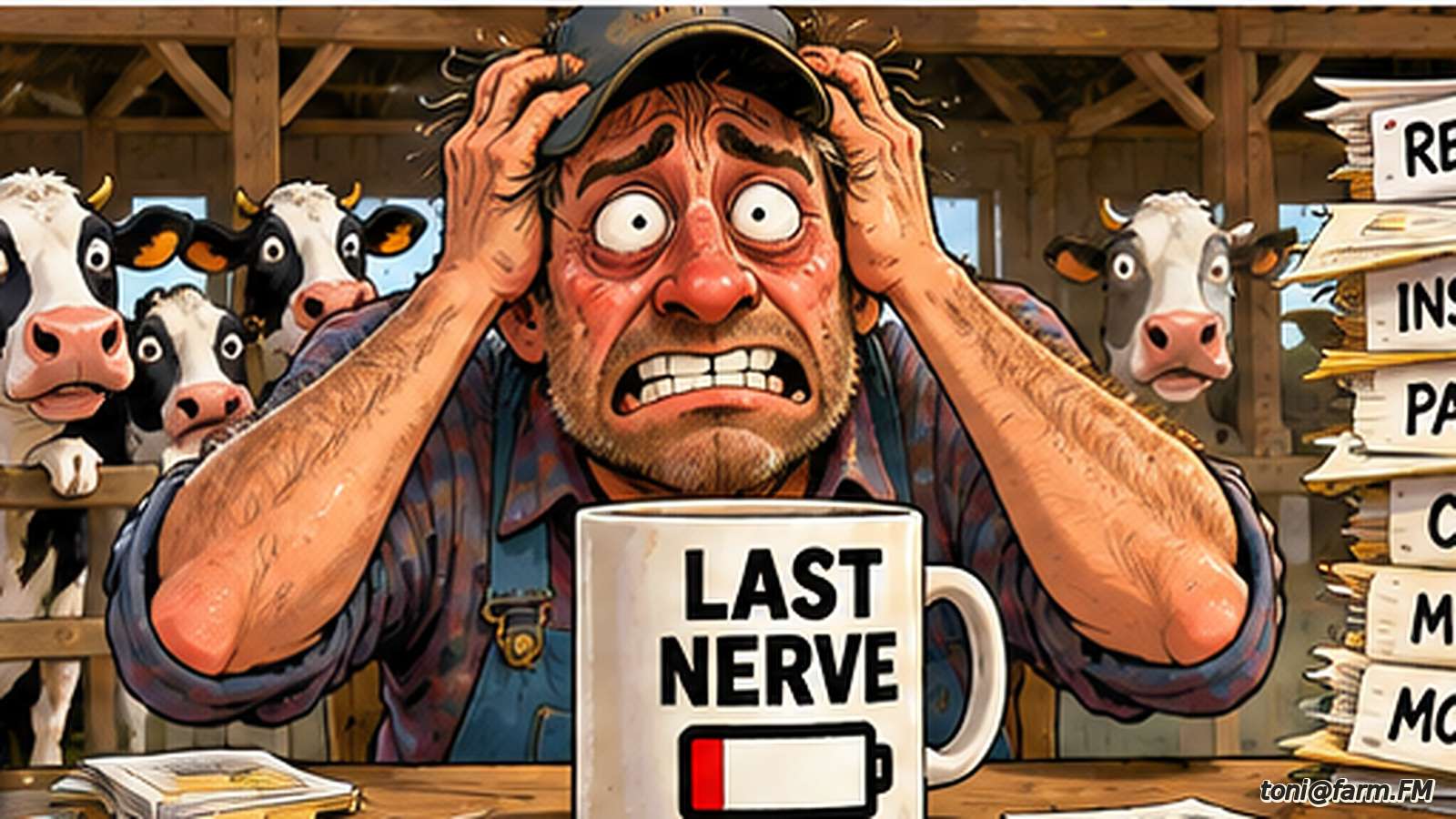
Why does signing another loan feel so heavy?
An operating loan is supposed to be routine: borrow in spring, repay after harvest or sale. When a bad year or low prices mean the note is carried forward or a new one stacked on top, the routine turns into dread. Many farmers describe lying awake doing math, and feeling that the debt is a verdict on their worth. It is not. It is a number, and numbers can be worked on.
Shame keeps many people quiet, especially in small communities around Enid and across the Oklahoma farm country where everyone knows everyone. Saying out loud that the load is heavy is not weakness. It is often the first useful step. If this describes you, you are far from alone.
A hard stretch with money often looks like this in practice: you check the account twice a day, you avoid opening mail, you snap at people you love. Those are common reactions to financial strain, and they are good reasons to talk to someone.
If you are in crisis, who can you call right now?
If you or someone you know is thinking about suicide or in emotional distress, call or text 988, the 988 Suicide & Crisis Lifeline, any hour. It is free and confidential, and trained counselors answer. If someone is in immediate danger, call 911.
For broader help finding treatment and support, the SAMHSA site lists resources, and the Rural Health Information Hub explains how to find care in rural areas where clinics are far apart. Reaching out to a pastor, a friend or a doctor counts too.
What can you do about the loan itself?
Separate the feeling from the facts. Write down every note: lender, balance, rate, term, collateral and due date. Then book an honest meeting with your lender before a payment is missed. Lenders see stressed borrowers constantly, and most would rather talk early than late. Ask about restructuring, extending terms or consolidating, and ask what each choice costs over time.
Compare options, including local banks, credit unions, Farm Credit associations and FSA farm loans. The Farmers.gov loan resources explain programs in plain language. Rates and terms change, so check current details. This is general education, not financial advice, and a licensed professional should review your specific situation.
Bring a short list of questions: what happens if prices stay low another year, is there a longer repayment term available, what does the lender need to see to consider a change, and who else could help. Write the answers down so you are not relying on memory when stress is high.
How do you bring the family into it?
Spouses and older kids often sense the strain without knowing the numbers, and silence can feel worse than the truth. Pick a calm time, share the real picture and decide together what comes first. Many farm families find that a weekly money talk takes the dread out of surprise.
Look for free or low-cost help: Farm Aid runs a hotline for family farmers, and OSU Extension offers programs on farm and family finances in many counties. The rural living guide on our sister network also gathers tips for country households.
What helps day to day?
Small habits matter when the load is heavy. Sleep, meals, a walk, time with people who are not about the farm. Pay attention if drinking increases, if you pull away from friends, or if you stop caring about things you used to enjoy, and tell a doctor or counselor. None of this fixes the loan, but it keeps you steady enough to fix it.
Peer connection helps. Farm Bureau groups, church and co-op meetings and local extension events give you people who understand. Oklahoma Farm Bureau is one place to ask about local resources.
If you are worried about someone else, ask directly and listen without lecturing. Asking about suicide does not plant the idea, and calling or texting 988 together can be a first step. You do not need the right words, just a willingness to stay with them.
Where can you read more and feel less alone?
Other farmers have written about this honestly, and reading it helps. The farm money guide covers practical debt handling, and farm.FM runs farming stories and farm news that treat these pressures seriously. One farm.FM story on farm debt stress is a place to start.
If your next step is a call, make it today. Call or text 988 if you are in distress, call your lender if you are worried about a payment, and call a friend for either.
Local resources are worth a phone call. Your county extension office can often point to financial counseling, and many rural churches and co-ops quietly help with groceries and fuel when a family hits a wall.
Sources and further reading
- 988 Suicide & Crisis Lifeline: call or text 988
- SAMHSA: behavioral health resources
- Rural Health Information Hub: rural health resources
- Farm Credit: cooperative agricultural lending network
- FSA Farm Loans: FSA direct, guaranteed, microloan and emergency loan information
- Farm Aid: help for family farmers
Ask locally: Talk with your doctor, a trusted pastor or counselor, or your local lender and county extension office.