What Happens When the Local Bank Branch Closes
When the last bank branch in a small town closes, the building is the least of what leaves. A farm family loses a face, a history and a quick answer to a question, and a community loses a piece of its center.
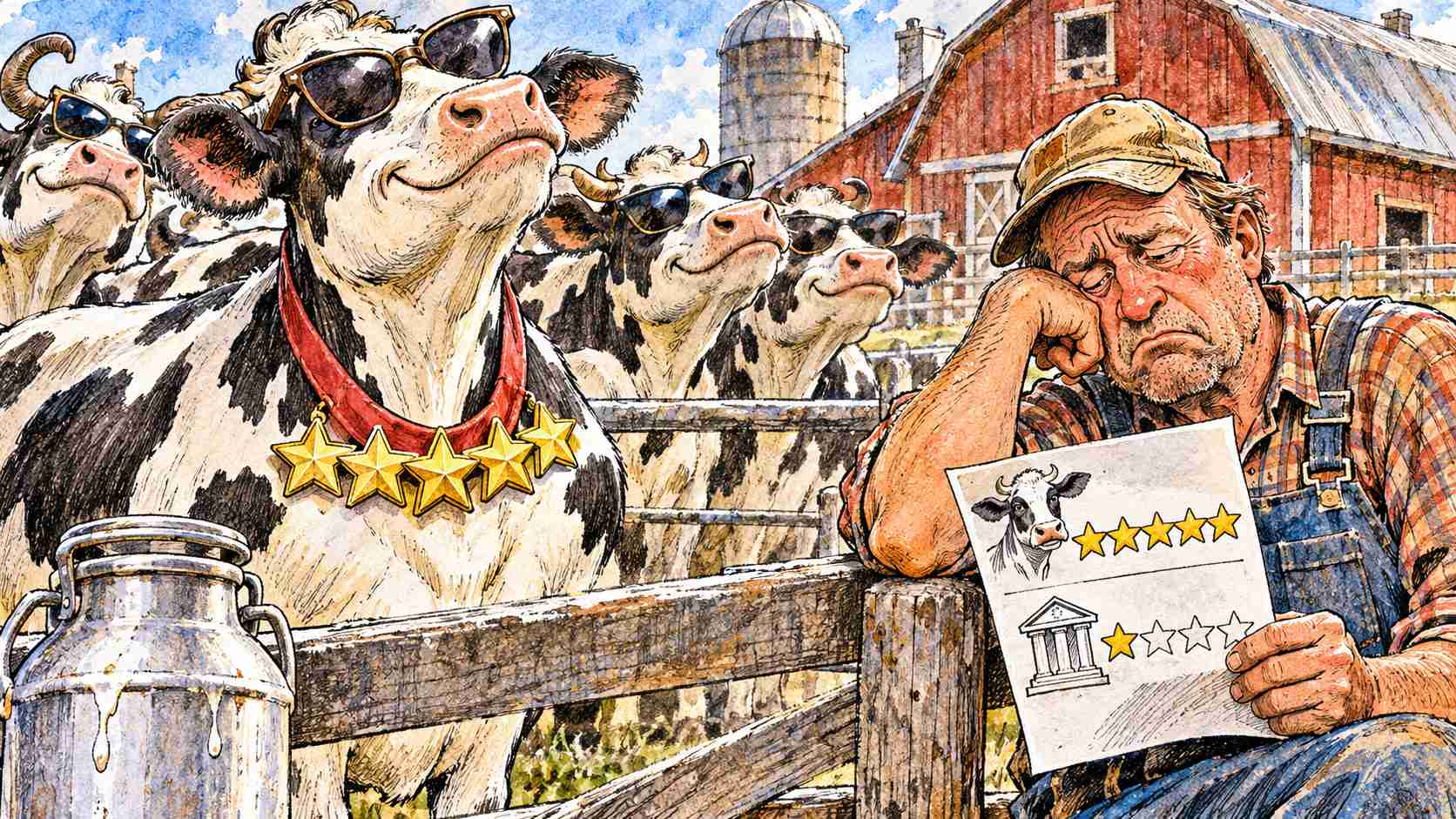
Why do rural branches close?
The details differ by bank, but the pattern is familiar. Banks cite changing customer habits, the shift to online and mobile banking, regulation and the cost of keeping a branch open in a low-volume town. Mergers and acquisitions can also leave overlapping branches. Rural families often see the closure as a loss that numbers cannot capture.
The FDIC publishes banking information that can help you understand your options, and your own bank must give notice before closing a branch. Check the notice for dates and options rather than relying on rumor. If your branch is the only one for many miles, ask what services will remain, such as a drive-up, an ATM or a mobile banker, and when each will end.
How does it affect farm credit?
Farm lending runs on relationships. A banker who knows your operation, the weather and your neighbors can say yes to a loan a spreadsheet would refuse. When that person leaves, a farm may be handled by an officer in another city who has never seen the place, and the process can slow down or tighten.
Still, many farms keep banking with the same institution through other offices or remote service, and some find that a larger bank has more lending capacity than the old branch ever did. Ask your lender who your new contact will be, how decisions get made and how quickly an operating loan can be approved. Spring is a bad time to find out the answer, so ask well before planting or calving season when you will need cash fast.
What other options exist for farm credit?
Look at the full range: local community banks, credit unions, Farm Credit associations and FSA farm loans. Each has different rules, rates and customer service. Compare terms, collateral requirements, fees and how each one handles a bad year. Terms change, so ask for current numbers in writing.
General comparison tips are at this farm money guide. This is education, not financial advice. A licensed professional can help with your specific case. The CFPB also publishes consumer financial material.
- Does the lender make operating loans for farms in my area?
- Who approves a loan and how long does it take?
- What are the fees, rates and collateral rules?
- Where can I deposit cash and checks?
- What happens if I have a bad year?
What happens to the town?
A branch is often a gathering place for ranchers coming to town, a place where checks get deposited and small business owners get advice. Its closing can shift where people shop and meet. Towns in the Oklahoma Panhandle and the western part of the state, where the next branch may be far away, feel it most.
Communities have responded with credit union services, shared banking centers, mobile branches or local business groups. Ask your Oklahoma.gov resources and local leaders what is being tried near you. USDA Rural Development may also have community resources, with terms to check at the agency.
How do you handle the stress of the change?
Change like this can sting even when the business impact is manageable. It can feel like one more thing falling away. Talk with your family and neighbors and keep up the habits that steady you. If stress feels heavy or hopeless, call or text 988 to reach the 988 Suicide and Crisis Lifeline.
You are not alone in this. Many farm families are working through the same changes. Talking to a neighbor over coffee, or to a pastor or counselor, often helps more than people expect, and there is no prize for carrying it by yourself.
What steps protect your operation now?
Get your key documents in order and keep copies off the premises. Set up online banking before you need it, ask about remote deposit and ATM options and confirm how large cash and check deposits will work. Introduce yourself to the new contact at your bank and keep them updated on your plans.
Over at farm.FM the farming section and agribusiness section often cover rural change, and a farm.FM story on rural banking is a good companion. The rural community angle is covered at this rural resource.
Sources and further reading
- FDIC: deposit insurance and bank information
- Farm Credit: cooperative agricultural lending network
- FSA Farm Loans: FSA direct, guaranteed, microloan and emergency loan information
- CFPB: consumer finance protection
- USDA Rural Development: rural business and community programs
- 988 Suicide & Crisis Lifeline: call or text 988
Ask locally: Ask your lender who your contact will be and how operating loans are handled after the closure.