What the Farm Credit Nominees Aren’t Saying About the Debt Crisis
When officials talk about farm debt, the gaps can matter as much as the words. Here is how Farm Credit oversight works and the questions to put to anyone who speaks for lenders.
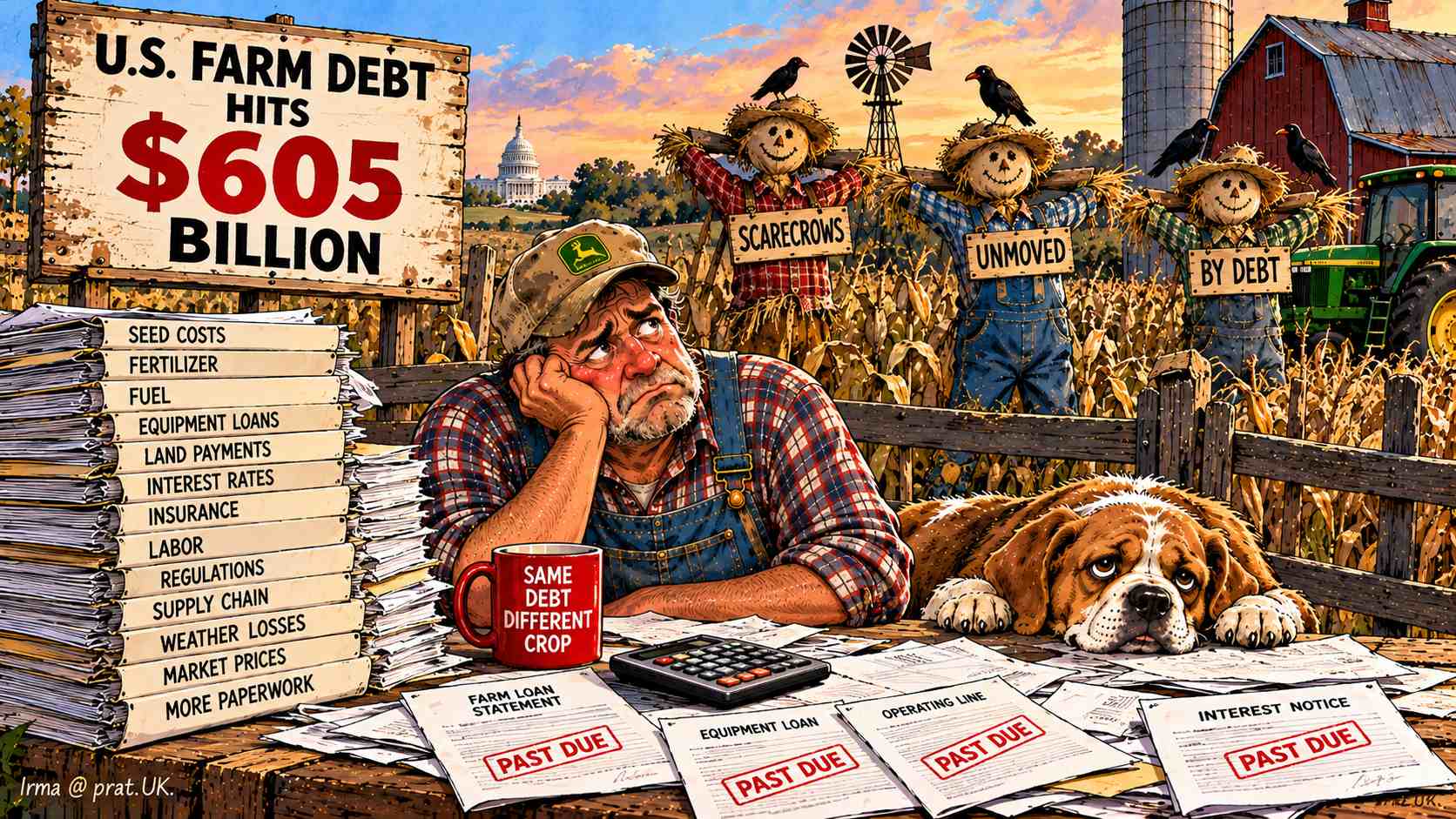
How is Farm Credit overseen?
Farm Credit is a cooperative system of lenders, and the Farm Credit Administration regulates it. The FCA board is appointed through a federal process. Farm Credit associations lend to farmers and ranchers across the country, including Oklahoma. Read the FCA site for how oversight works and for the current board and nominees.
We do not describe any specific nominee's statements here. The title is an editorial headline, and you should check anything that is attributed to a person at the official record. If you hear a quote secondhand, look for the transcript or recording. Hearing the full answer often changes what it seems to say.
If you want to follow along, regulators post board meeting information and public documents. Reading the primary source is slower than a headline, but it is the only way to know what was actually said.
What does the debt picture look like, and where do you check?
Farm debt trends are tracked by USDA ERS, and credit conditions by the Kansas City Fed and the Dallas Fed. Look at debt levels, delinquency, interest costs and repayment capacity, and note the date of each report.
A rising debt number is not always a crisis. It can reflect land values or expansion. The key question is whether income can service it.
Delinquency and charge-off figures matter more to lenders than the raw debt total, since they show how many borrowers are falling behind. Ask any speaker which measure they mean.
What questions might farmers want answered?
If you could ask a regulator or lender leader a few direct questions, what would they be? Here are some ideas. Questions like these work at a local meeting just as well as at a hearing, and they tend to get a straight answer when asked politely and in person.
Different farmers will care about different things, but these questions cover the ground. Look for answers in testimony, hearings and reports rather than headlines.
- How is the system measuring stress among borrowers?
- What tools exist for restructuring when income falls?
- How do rates and fees compare across lenders?
- What protections do borrowers have in a dispute?
- How are small and beginning farmers served?
What do supporters of the system say?
Supporters argue that Farm Credit's cooperative structure keeps it focused on agriculture, that it lends through cycles when others pull back and that borrower-owners benefit from patronage. They see oversight by the FCA as a sign of accountability.
They also stress that stable rural credit supports communities and the broader food supply.
A fair reading of the cooperative model asks how it works for the member in front of you, not only for the system as a whole.
What do critics respond?
Critics respond that tax advantages and size can give the system an edge over community banks, and that borrowers may not see enough of the benefit. They argue that transparency about borrower stress and loan terms could be stronger.
These questions are debated, and the facts vary by association. Look at the specific association you deal with and compare it to other lenders.
If you feel you were treated unfairly, ask for the lender's written explanation and keep copies of everything. Regulators accept complaints, and the FCA site explains how to raise one.
What can you do as a borrower?
Know your loan terms, ask about restructuring before problems start, and compare lenders. FSA loan programs and Farmers.gov loan tools can fill gaps. If a dispute arises, document it and consult an ag attorney.
Keep your financials current and talk to your lender regularly. A lender who knows your plan can be a partner, not a surprise. Plan for a repayment bump too. A variable rate or a balloon note can look fine in a good year and painful in a bad one, so know when your terms reset.
A few honest questions at a borrower meeting often get further than a loud complaint.
Where can you learn more?
Visit this farm money guide for debt planning and a small farm guide for lean operations. At farm.FM, see agribusiness and ranching, and a farm.FM story on farm debt.
This is general education, not financial advice. Talk to a licensed professional about your situation. Remember that no article, including this one, replaces a conversation with someone who can see your whole financial picture.
Sources and further reading
- Farm Credit Administration: regulator of the Farm Credit System
- Farm Credit: cooperative agricultural lending network
- USDA Economic Research Service: farm economy data and analysis
- Kansas City Fed Agriculture: farm credit and land value surveys
- Dallas Fed: regional economy including Texas and Oklahoma
- FSA Farm Loans: FSA direct, guaranteed, microloan and emergency loan information
Ask locally: Ask your Farm Credit association, FSA office or an Oklahoma ag attorney about restructuring and borrower rights.