Why Farmers Are Angry at Both Parties (and Neither Is Listening)
Ask a roomful of farmers around Enid who has their back in Washington and you will hear a long pause, then a few jokes, then some frustration. The sense of being ignored by both parties is common enough that it deserves a plain look.
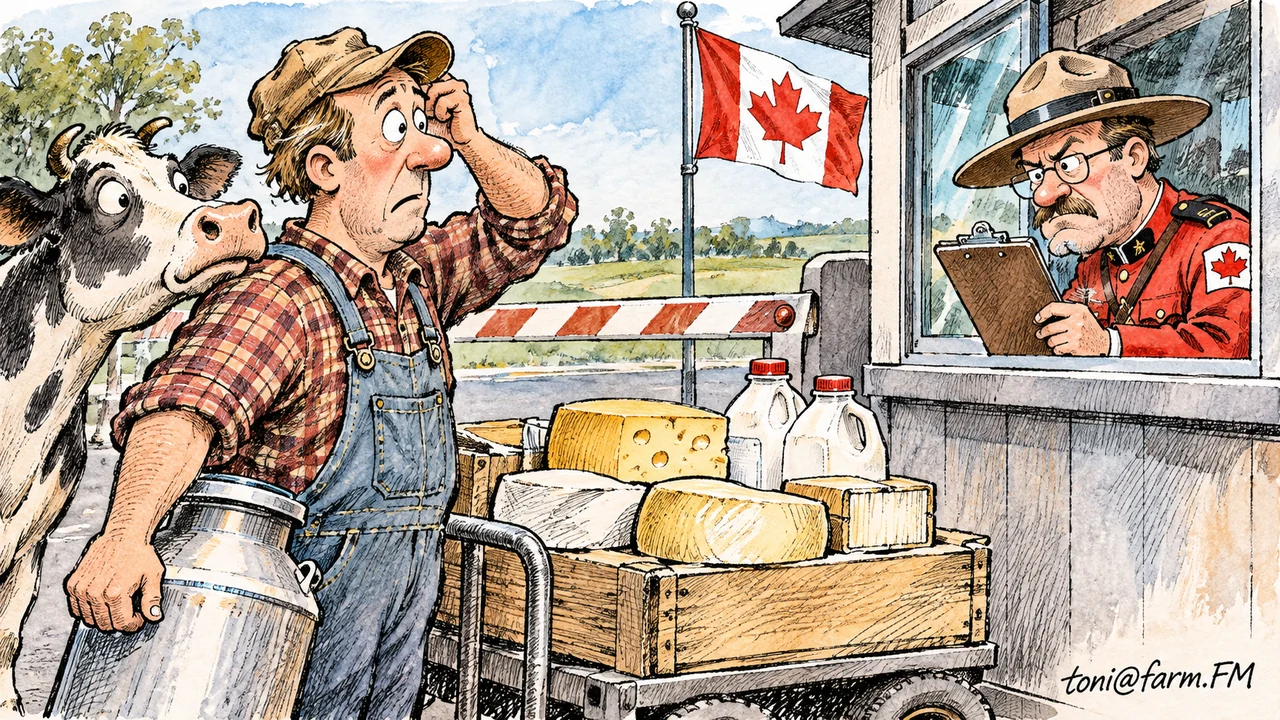
Why do so many farmers feel overlooked?
Farm families are a tiny share of the electorate, and agriculture policy is a small piece of any campaign. Candidates talk about farms in friendly terms, then the real work moves into committee rooms and bill text where few voters follow along. That gap between the rhetoric and the result is the core of the complaint.
Producers also vary. A wheat grower, a dairy, a cattle feeder, a vegetable grower and a hobby farmer want different things, so no platform pleases all of them. Feeling unheard is not the same as being ignored, but from a tractor seat the difference can be hard to see. In places like Enid, where the grain elevator and the cattle sale barn are both part of the local identity, that mix of interests makes a single message hard to write.
What do farmers say about trade and prices?
Many say they get caught in the middle of trade fights and tariffs they did not start, then receive aid payments that help but do not replace lost markets. Supporters of trade deals argue that open markets are the long-run growth path for American crops and livestock. Supporters of tougher trade stances argue that unfair practices abroad have to be confronted even at a short-term cost.
The USDA Foreign Agricultural Service and the U.S. Trade Representative publish the official material on trade agreements and disputes. Read the source before the commentary.
What do they say about costs and rules?
Complaints about input prices, interest rates, labor and regulation cross party lines. Some producers blame rules and taxes. Others blame concentration among suppliers and buyers. Both camps feel their concerns get a speech and not a fix. A cow-calf producer in the Oklahoma Panhandle may care most about drought and grazing rules, while a wheat grower farther east is watching interest on operating notes, and neither hears much about it in a stump speech.
The data on the farm economy lives at USDA ERS and the Ag Economy Barometer, which tracks farmer sentiment. Sentiment surveys are a snapshot, so check the latest release for what it actually says. Treat any single reading as one data point, and look for trends over several releases before drawing a conclusion about the mood of the countryside.
What is the strongest counter-argument?
Defenders of the current system say agriculture gets more attention than its size suggests. Farm bills have continued to pass with support from both parties, crop insurance and commodity programs exist, and rural members of Congress often hold key committee posts. From that view, the problem is not neglect but trade-offs among many competing demands.
Critics answer that attention is not the same as results, and that aid goes disproportionately to the largest operations, leaving beginning and mid-sized farms with less help than they need. Supporters of the current programs respond that payment limits and targeted programs exist for exactly that reason. Where the numbers are disputed, the Congressional Budget Office and GAO publish analyses you can read yourself.
What does being heard actually take?
Specific, local, repeated contact tends to work better than anger. A letter or call that names your county, your crop, your cost and the program that failed you is harder to wave off. Showing up to listening sessions, comment periods and farm group meetings adds weight.
The Oklahoma Farm Bureau and other farm organizations bring members' concerns to lawmakers, and you can follow bills at Congress.gov. Join the group that best matches your views, or more than one, and speak up inside it. Show up to county meetings too, since local officials are often the ones who decide the road, water and zoning questions that hit a farm first.
Where does this leave a farmer in practice?
Pay attention to what is in the text of policy more than the tone of speeches, and plan your own operation so it does not depend on any one program. The money basics for that are at this farm money guide and a rural community resource.
Over at farm.FM the farm news section and the satire page take a lighter swing at the political season, and a farm.FM take on farmers and Washington is a good place to blow off steam. Anger can be useful if you aim it at a specific ask. Pick one issue, find the office that can actually act on it, and follow up in writing so there is a record of what you asked and when.
Sources and further reading
- USDA Foreign Agricultural Service: export markets and trade data
- USTR: U.S. Trade Representative
- USDA Economic Research Service: farm economy data and analysis
- Ag Economy Barometer: Purdue/CME farmer sentiment survey
- Congressional Budget Office: cost estimates for federal programs
- Oklahoma Farm Bureau: state farm organization
Ask locally: Ask your local farm organization how members can raise issues with state and federal lawmakers.