Health Insurance, Childcare, and the Hidden Costs of Rural Entrepreneurship
On a farm, the person who signs the operating note also pays the health premium and the daycare bill, all from one pocket. Here is where those hidden costs live and what to check before they swallow the margin.
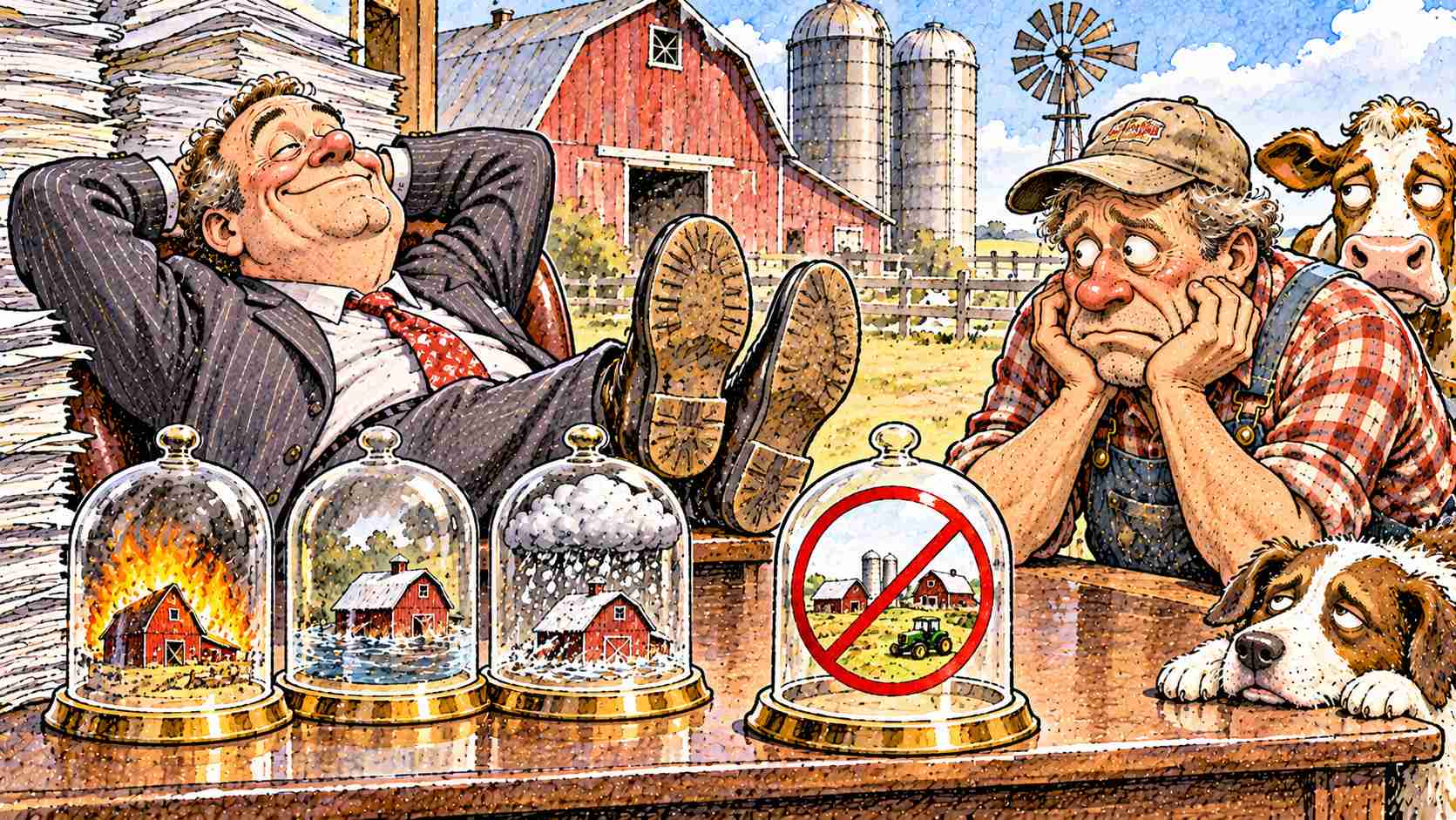
Why do these costs hit farm families harder?
A salaried worker usually sees health coverage and dependent care arrive as an employer benefit. A farmer is the employer, the employee and the payroll office at once. Every premium, deductible and daycare bill lands on the same household budget that carries the operating loan, so a bad month in the field becomes a bad month at the pharmacy too. That is the heart of the complaint, and it deserves to be said plainly.
In Enid and across northern Oklahoma, geography makes it heavier. Clinics and pediatric offices can sit a long drive away, and childcare options thin out fast past the county seat. Drive time is work time lost, and few farm budgets put a price on it. A good overview of rural access problems lives at the Rural Health Information Hub.
What does coverage really cost when you are self-employed?
Farm families buy coverage in a few ways: through a spouse's off-farm job, through a marketplace plan, through a farm organization program, or not at all. Each has trade-offs on premiums, deductibles and which doctors are in network. Income on a farm swings, and so does the subsidy math, so a plan chosen in a good year can feel very different after a drought.
Ask for the full yearly picture, not just the monthly premium: deductible, out-of-pocket maximum, and what happens if the nearest hospital is out of network. The IRS publishes guidance on how self-employed people may be able to treat premiums at tax time, and a licensed tax preparer can tell you what applies to your situation. Check current rules, because they change.
Where does childcare fit into the farm budget?
Childcare is the cost nobody puts in the farm plan. Planting, calving and harvest do not follow a nine-to-five day, and licensed care rarely matches a farm schedule. Families patch it together with grandparents, neighbors and older kids, which works until someone gets sick or moves away.
If you are weighing paid care, look at what your state offers and what rural groups publish. OSU Extension runs family and consumer programs that often cover household budgeting, and the rural living guide on our sister network collects practical ideas for stretching a country household. Treat the numbers you find as a starting point and confirm them locally.
How do these expenses show up in the loan conversation?
Lenders look at family living expenses when they size up an operation's cash flow. If health and childcare costs are under-counted, the projection looks better than reality, and the shortfall surfaces later as another operating draw. Be honest on the family living line. It is better to plan for the real number than to explain a miss in August.
Questions worth asking at your lender: how do you treat family living withdrawals, and what documentation do you want? Resources at Farmers.gov loan tools and Farm Credit explain how lenders read a cash flow, and the farm money basics guide walks through budgeting in plain language.
What do critics of this complaint say?
Not everyone agrees these costs are a policy problem. Skeptics argue that every small business owner faces them, that farms already enjoy tax treatment other businesses do not, and that expanding assistance means higher costs elsewhere. Supporters respond that farms carry unusual risk, unusual distance and unusual income swings, so the comparison is not apples to apples.
Both sides have a point, and the facts about which programs apply to which families are disputed and change often. Read primary sources before taking a side, starting with USDA Economic Research Service for data on farm household income and well-being.
What can a farm family do this season?
Build a one-page household budget that separates health, childcare and transportation, and review it with your lender or an Oklahoma Farm Bureau contact. Look at off-farm income options that bring coverage with them, and compare them honestly against the hours they cost you. Over at farm.FM there is plenty of reporting on the money side of farming, including farm business coverage and farm news.
For a lighter look at the same pressures, one farm.FM story on the family budget is worth a read. None of this is financial or tax advice, so bring your numbers to a licensed professional.
Sources and further reading
- Rural Health Information Hub: rural health resources
- IRS: federal tax guidance
- OSU Extension: Oklahoma State extension
- Farmers.gov Loans: USDA farm loan overview and loan assistance tools
- Farm Credit: cooperative agricultural lending network
- USDA Economic Research Service: farm economy data and analysis
Ask locally: Ask a local tax preparer, an OSU Extension family and consumer sciences educator, or your insurance agent.