Land, Water and Rural Services
The Death Tax Is “Permanent” Now—But the Relief Is Not Universal
The headline says the estate tax is permanent and relief is not for everyone. Here is how it works in plain terms, what farm families should check and why planning still matters.
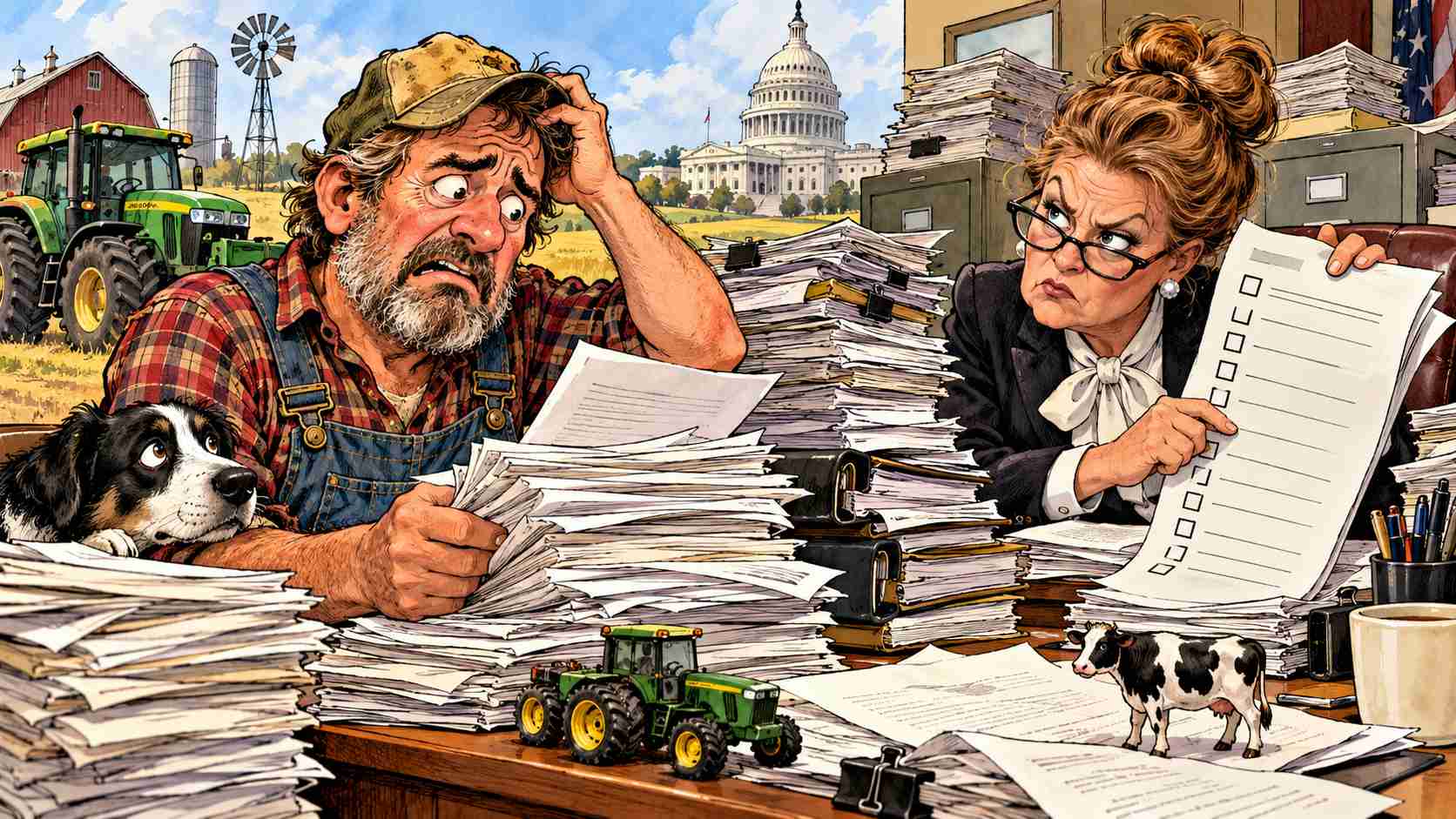
What does the headline claim?
The title says that the so-called death tax is now permanent but that relief is not universal. Treat that as the editorial claim. Estate tax law is set by Congress and can change, and the details, including exemption amounts and rates, should be checked at the official source, the IRS, and not taken from a headline.
What is useful here is the concept. The federal estate tax applies to the transfer of a large estate at death, and exemptions mean many estates owe nothing. Some farm families are in that group, and some are not. That is why advice that fits one neighbor may not fit you.
If you want to see how much is at stake, an attorney can run a simple estimate of your estate value using current appraisals. The result, and what it means under current law, is something a professional can explain.
Why do farm families worry about it?
Farms are land-rich and cash-poor. The value of land, machinery and livestock can add up on paper while income is modest. If heirs must pay a tax bill and the main asset is the farm, they may have to sell land or borrow to cover it. This is the fear behind the complaint, and it is more common where land values have risen.
State tax rules can differ from federal ones and can change, so ask a professional how your state treats inheritance and estates. The Oklahoma.gov portal is a place to start for state tax information.
A hypothetical example: a farm family owns land, machinery and a herd, with little cash. A single owner passes away, and heirs who want to keep farming face a tax bill that can only be paid by selling or borrowing. Whether that happens depends on the actual facts and law at the time.
Why is relief not universal?
Different families have different mixes of assets, ownership structures and goals. Some relief provisions depend on how the property is used and held, on family involvement and on documentation. Others affect only estates above certain levels. A farm with more land value, or with heirs who do not farm, may not qualify the same way as another.
The U.S. Treasury and Congress.gov are good places to see proposals and laws, and the Congressional Budget Office publishes cost estimates. Read the primary sources, since summaries can oversimplify.
Do not assume your situation matches a news story. Ask an attorney to check your actual numbers.
What do supporters and critics argue?
Supporters of eliminating or reducing the tax argue that families should not lose a farm because of a tax bill, that the land was taxed already during the owner's life and that the tax encourages break-ups of working operations.
Critics respond that the tax affects only the largest estates, that farm groups may overstate the number of farms forced to sell and that the revenue funds public priorities. How many farms are actually affected is disputed, and USDA Economic Research Service publishes analysis that helps. Read both sides.
What should a farm family do to plan?
Start the conversation. List assets and debts, decide who will operate the farm and who will inherit, and consider whether all heirs want the same thing. Work with an estate attorney and a tax professional familiar with agriculture, because documents like wills, trusts and business entities matter.
OSU Extension runs estate and succession programs in many areas, and the rural guide on our sister network gathers related reading. Life insurance, liquidity planning and gifting strategies are common topics, each with trade-offs that a professional should explain.
Review beneficiary designations and titles every few years too. Outdated paperwork causes more family trouble than taxes do, and the farm money guide lists recordkeeping tips that help.
What is the takeaway?
The law matters, but so does talking to your family. A bad plan costs more than a tax bill. farm.FM covers the topic in agribusiness and news, and one farm.FM story on farm estate taxes offers more. Confirm current rules with the IRS and your own advisor.
This is general education, not legal or tax advice.
Do not wait for a crisis. Families who plan while everyone is healthy have more options and fewer arguments.
Sources and further reading
- IRS: federal tax guidance
- Oklahoma.gov: state government portal
- U.S. Treasury: federal fiscal policy
- Congress.gov: bills and legislative status
- Congressional Budget Office: cost estimates for federal programs
- USDA Economic Research Service: farm economy data and analysis
Ask locally: Ask an estate attorney, a CPA experienced with farms, or an OSU Extension succession educator.