Land, Water and Rural Services
The Farm Bureau’s Frustration: Even the Usual Optimists Are Worried
When a group that usually accentuates the positive starts sounding worried, farmers notice. Here is how to read those statements, what they argue and how to check the facts yourself.
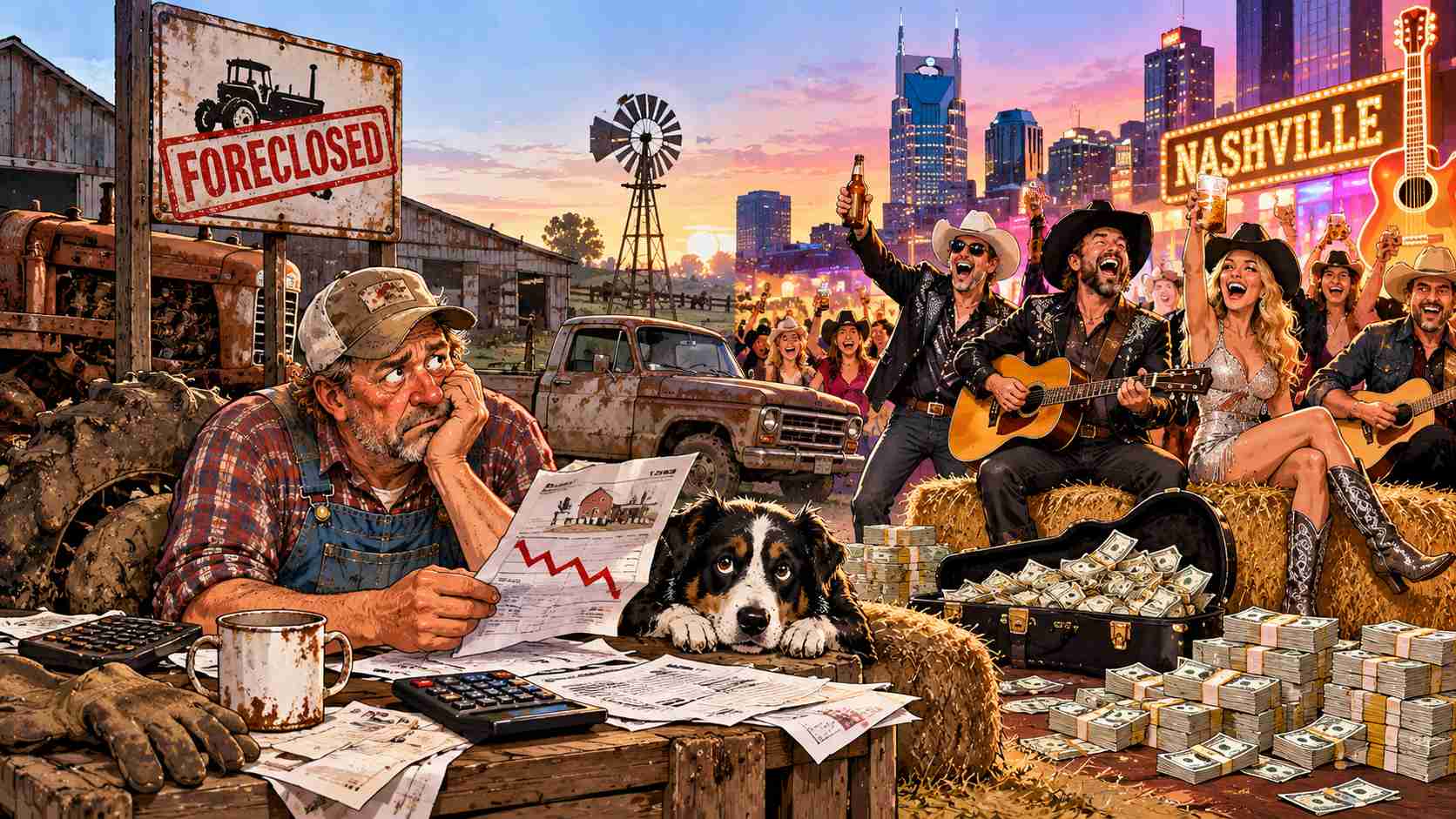
What does it mean when optimists sound worried?
Farm organizations advocate for members, and their tone often reflects both real conditions and lobbying strategy. The headline suggests a shift. We cannot state what any specific group has said without pointing you to their own pages, so read the originals at the American Farm Bureau Federation and Oklahoma Farm Bureau.
A worried tone can signal real stress among members, a push for policy, or both. It is a useful signal, and it is not the same as data.
Plenty of farmers join because the group offers insurance, scholarships and a local voice, and they keep their own opinions about the politics. Both things can be true about the same organization.
How do you read advocacy statements?
Ask who is speaking, who they represent and what they want. Look for the evidence behind the claim, such as a survey, a government report or a dataset. Note whether the statement cites numbers you can check. A statement that names its sources and shows its math earns more trust than one that only describes a mood. Treat the first kind as a starting point for your own research.
Advocacy can be accurate and still selective. Good readers look for what is left out, and read other groups for balance. National Farmers Union and commodity groups each frame issues their own way.
- Who is speaking and for whom?
- What evidence is cited?
- What action is being requested?
- What is not mentioned?
Where can you verify the underlying data?
Compare claims against ERS farm income data, the Ag Economy Barometer and credit reports from the Kansas City Fed. These sources have their own methods, but they are independent of any lobbying group.
Check dates. A figure from last year may not reflect the current picture, and conditions in Oklahoma can differ from the national average.
If a statement cites a survey, find the survey. If it cites a number, find who produced it and when. That small habit separates a sound argument from a slogan.
What do supporters of the worried tone argue?
Supporters argue that farm groups sit close to members and see problems early, and that blunt warnings are needed to get attention from policymakers. If costs are high and margins thin, they say, pretending otherwise helps no one. That instinct is not unique to farm groups. Every trade association tries to catch the ear of lawmakers, and loud warnings are a standard tool.
They add that members expect their organizations to speak up, and that optimism without action is not a plan.
Optimism is part of the job too. Planting a crop is an act of faith, and farm leaders who sound hopeful are often speaking from that habit.
What do skeptics respond?
Skeptics respond that organizations can amplify worry to build support for particular policies, and that conditions vary widely among farms and regions. A national statement may not apply to your county or your crop.
They also note that some groups have mixed memberships, with larger and smaller operations that have different interests. That is part of why you should read widely.
Remember, too, that a county in the Oklahoma Panhandle can have a very different year from a neighbor in the eastern part of the state, so national language rarely fits everyone.
What should a farmer do with the information?
Treat group statements as one input. Check your own numbers, talk to your lender and compare with neighbors. If a policy is proposed, read the bill text at Congress.gov and the cost estimates from CBO.
Join conversations through your local Farm Bureau chapter or county meeting, where you can ask questions directly. Showing up is the surest way to learn whether a group's stated view matches the room.
Ask your local chapter how its positions are set and how members can weigh in.
Where else can you keep reading?
The rural farm guide and farm money guide are good for practical planning. At farm.FM, news and satire and agribusiness cover the mood in farm country, and a farm.FM story on farm group worry adds a lighter view. Sit down with the group's own materials, then with a source that disagrees, and notice where the two actually differ.
As always, this piece is opinion. Test it against the sources.
Sources and further reading
- American Farm Bureau Federation: national farm organization
- Oklahoma Farm Bureau: state farm organization
- National Farmers Union: national farm organization
- USDA Economic Research Service: farm economy data and analysis
- Ag Economy Barometer: Purdue/CME farmer sentiment survey
- Congress.gov: bills and legislative status
Ask locally: Ask your county Farm Bureau, OSU Extension or your lender to help you compare group statements with data.