Land, Water and Rural Services
When the Co-op Can’t Pay: The Domino Effect of Rural Business Failure
A co-op that cannot pay its bills is never only a co-op problem. The elevator, the gin, the dairy plant or the feed mill sits at the center of a web of growers, haulers, lenders and Main Street stores, and when it fails the shock travels.
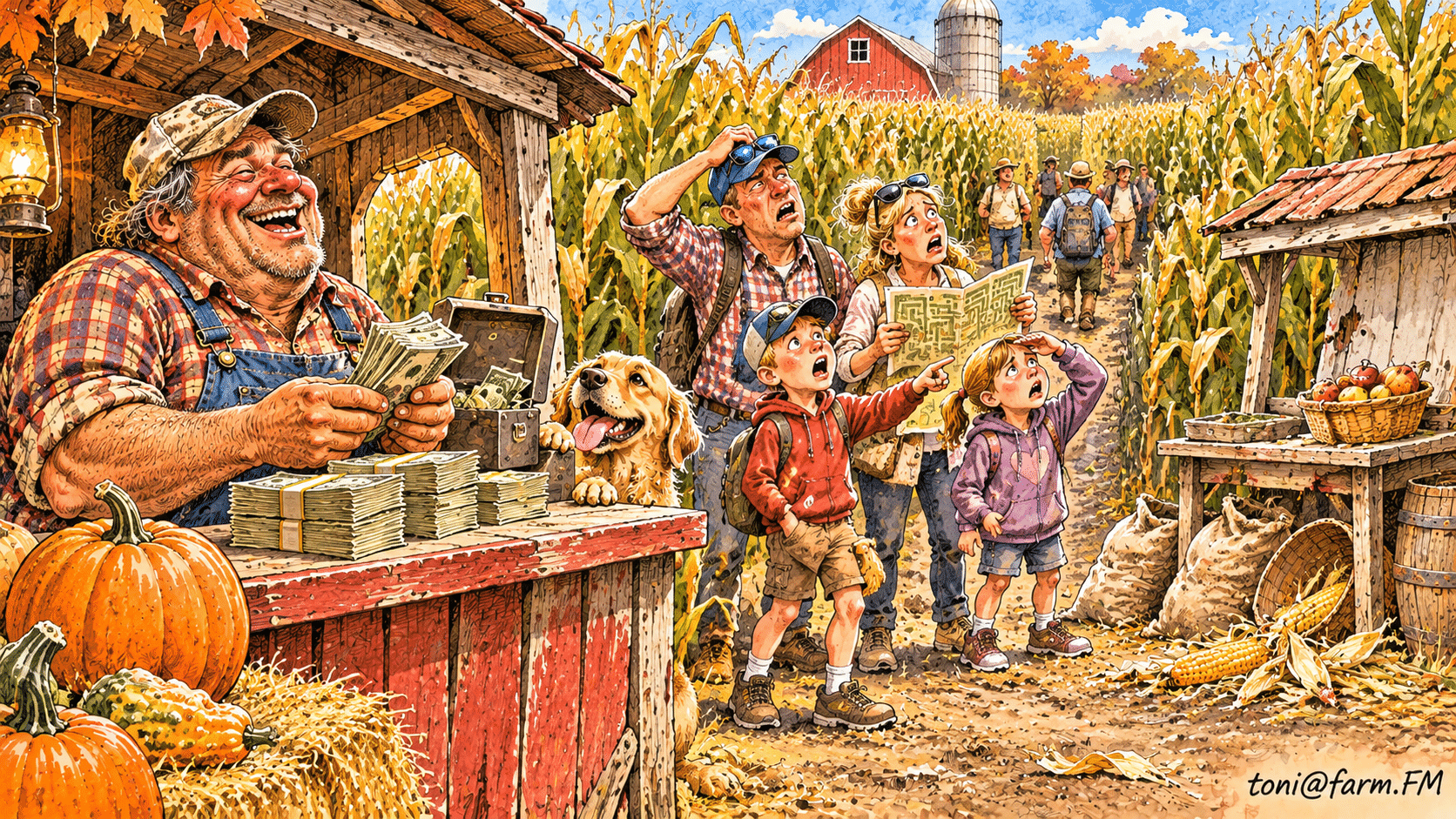
What does it mean when a co-op or rural business fails?
Failure can look like a slow squeeze or a sudden stop. A cooperative might delay payments, extend settlement dates, cut services or file for protection from creditors. A private elevator or processor can do the same. Either way, producers who delivered grain, milk or livestock may find themselves waiting in line with other creditors.
What happens next depends on contracts, state law, bonding and the kind of business involved. This is general education, not legal advice. If you are owed money, a licensed attorney familiar with agricultural creditors is the right person to ask, and quickly.
Who gets hurt first when payment stops?
The producers who delivered product and have not been paid feel it first, often at the worst possible time, right when loans, rent and input bills come due. Then the lender who financed those operating notes feels it, followed by the equipment dealer, the fuel supplier and the seed dealer waiting on the same farms.
Past that circle sit the people who never touched a bushel: the diner, the parts counter, the school fundraiser. In a county like Garfield County around Enid, a single failed agribusiness can change a town's mood for years, which is why neighbors often rally around a struggling local business even when the numbers look bad.
- Growers owed for delivered crops, milk or livestock
- Operating lenders holding notes tied to those payments
- Haulers, mechanics and input suppliers
- Employees of the failed business
- Main Street businesses that depend on farm cash flow
What protections exist, and where do they stop?
Some states and federal programs offer bonding, licensing and trust provisions meant to protect sellers of grain and livestock. They have limits and conditions, and they differ for different commodities. The Oklahoma Department of Agriculture, Food and Forestry and USDA are the places to ask what protection applies to your product and how to file a claim.
Do not assume you are covered. Ask the buyer how you are protected, ask whether they are bonded or licensed, and ask what the settlement timing is in writing before you deliver.
How can a producer lower exposure to a buyer's failure?
Spread deliveries across more than one buyer when you can. Shorten the time between delivery and payment, and be wary of buyers who start paying slower than usual. Keep copies of every scale ticket, contract and settlement sheet, because documents decide who gets paid first.
Talk to your lender before trouble hits, not after. An operating lender who knows your buyer risk can sometimes adjust a payment date. The lender comparison basics at this farm finance guide and the lending options from Farm Credit associations and FSA farm loans are worth knowing in advance.
What does the community do afterward?
Rural towns have rebuilt after failures through new ownership, member buyouts, or a neighboring co-op taking over the territory. USDA Rural Development has programs aimed at rural business and community needs, and your local development group can tell you what might fit. Terms and availability change, so verify current details with the agency.
Recovery also takes plain support: shopping local, keeping accounts current, and checking on neighbors who are carrying more stress than they admit. If the weight gets to be too much, you can call or text 988 at any hour, and the 988 Suicide and Crisis Lifeline is there for farm families too.
What is worth watching before it happens?
Slowing payments, rising complaints from neighbors, staff turnover, delayed financial statements and sudden changes in terms are all signs worth taking seriously. None of them proves a failure is coming, but each is a reason to ask questions and to cut your exposure.
Over at farm.FM they poke fun at the farm economy now and then, and a farm.FM story about rural business trouble gets the mood right without making light of real losses. The wider rural picture is covered at this rural farm guide, and the farm.FM agribusiness desk keeps watching the trend.
Sources and further reading
- Oklahoma Dept. of Agriculture, Food and Forestry: state agriculture agency
- USDA: U.S. Department of Agriculture
- Farm Credit: cooperative agricultural lending network
- FSA Farm Loans: FSA direct, guaranteed, microloan and emergency loan information
- USDA Rural Development: rural business and community programs
- 988 Suicide & Crisis Lifeline: call or text 988
Ask locally: Ask an agricultural attorney and your operating lender how you would be treated if a buyer failed.
Related articles
- The Land Grant University Gap: When Research Doesn’t Reach the Field
- The 2026 Farmer’s Manifesto: What We Actually Need (and It’s Not Another Press Release)
- From “Trump Country” to Political Drift: The Growing Rural Disconnect
- A “Five-Alarm Fire” in Rural America: The Farm Crisis Nobody in Washington Wants to Name