Land, Water and Rural Services
Farm Debt Is Growing Faster Than Assets—Here’s What That Means for the Heartland
When debt climbs faster than the value of what a farm owns, the cushion shrinks. Here is how to check your own farm and read the broader trend.
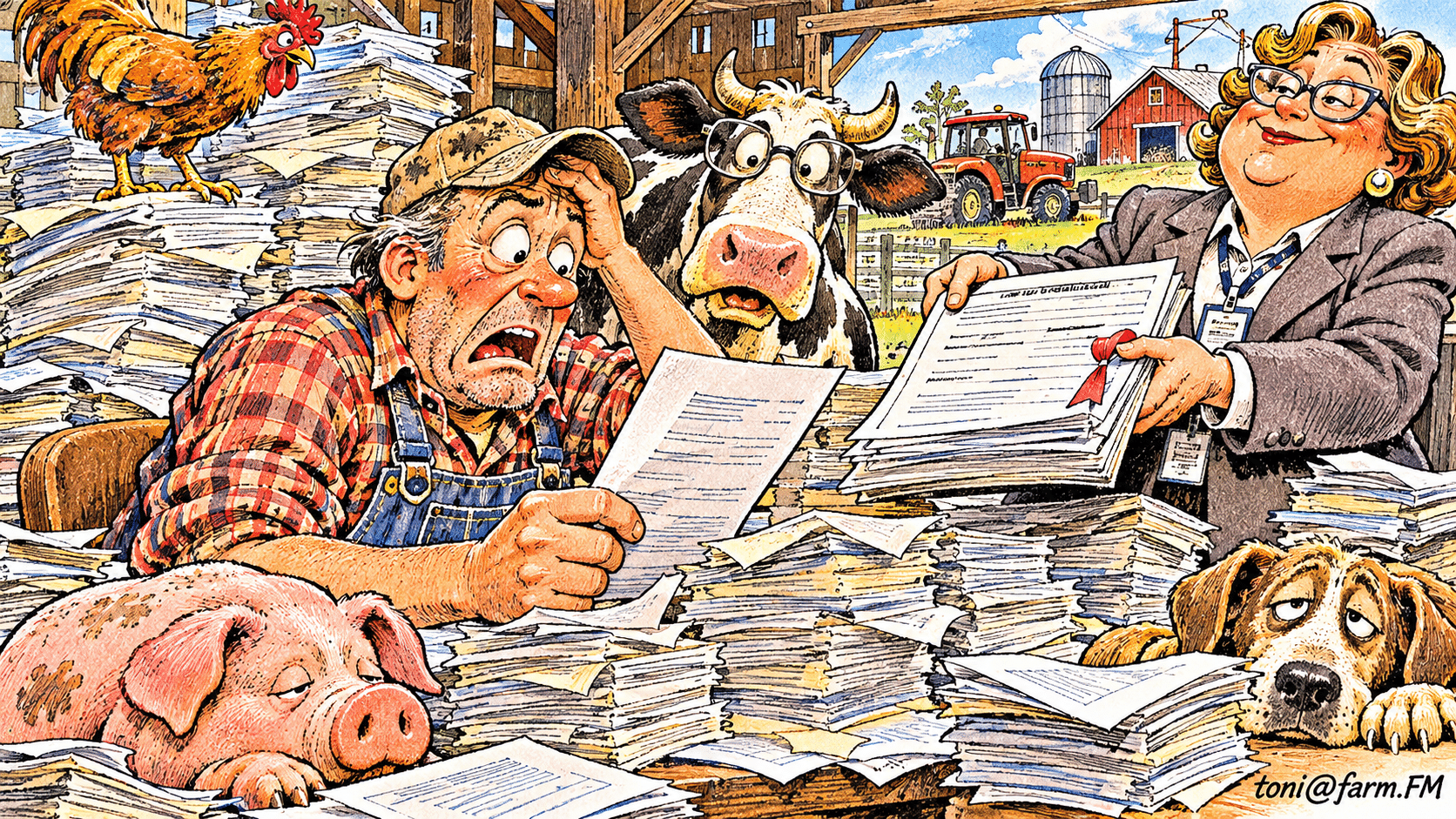
What does debt growing faster than assets mean?
It means the farm sector is borrowing more relative to what it owns, so the cushion that protects against a bad year is getting thinner. The claim in the headline should be checked against the official balance sheet figures from USDA ERS, which report assets, debt and equity.
It is a trend, not a verdict. Strong assets and manageable payments can coexist with rising debt, especially when borrowing funds productive purchases. The concern is when debt rises to cover losses.
Equity, in this context, is what is left after debts are subtracted from assets. When land values rise, equity can grow even if debt rises too. When values flatten or fall, the same debt looks heavier. That is why lenders watch both sides of the sheet.
How do you measure it on your farm?
Use the debt-to-asset ratio: total liabilities divided by total assets. Compute it at market value and at cost, and track the trend over several years. Also look at working capital, the term-debt coverage ratio and the share of debt that is short-term.
Lenders and Farm Credit associations use these measures when they review applications. Ask your loan officer what ranges they consider comfortable for your type of operation.
Update your numbers at least once a year, ideally with your lender. A statement that is two years old tells nobody where you stand today, and an updated one helps you spot problems while they are still small.
- Total debt and total assets at market value
- Current assets minus current liabilities
- Share of debt maturing within a year
Why does it matter for the heartland?
Farms anchor small towns. When many operations carry more debt and less cushion, the effects reach implement dealers, grain elevators, schools and main-street shops. In and around Enid, agriculture ties into local business in ways that a balance sheet alone does not show.
The Kansas City Fed tracks agricultural credit conditions in this region, and the Dallas Fed follows the broader regional economy.
Rural lenders, equipment dealers and input suppliers all feel the pressure when farm borrowers stretch. A local operation that delays a purchase delays a sale for a business down the street, and the effect spreads. That is part of why farm debt interests people who do not farm.
What are the two sides of the argument?
Supporters of the concern argue that rising debt with falling margins is how earlier farm stress began, and that policymakers and lenders should act early. They want attention on liquidity, not just on land values.
Skeptics respond that balance sheets started strong, that land values have supported equity and that lenders have learned from past downturns. They argue that panic is unhelpful. Reading both views and the data behind them is the best approach.
A useful middle position: debt is a tool, not a villain. The question is what it buys and whether the farm can carry it in a normal year and a poor one. Honest answers to those two questions matter more than any national average.
What can an individual farm do?
Pay down high-rate, short-term debt first. Avoid financing recurring losses with long-term loans. Keep records current, and have a conversation with your lender before problems show up. FSA loan programs may be options if commercial credit tightens.
Learn more about budgets and loan basics at the farm money guide and the small farm information site. This is general education, not financial advice.
If your ratio is rising, look first for the cause. Is it new assets, rising costs, falling prices or a loss year financed with a loan? The fix differs for each, and a lender or advisor can help sort them out.
Where to read more
For the economics and the lighter side, farm.FM has the agribusiness section and the farm news and satire desk, along with a farm.FM story on farm debt and assets. The FRED database charts interest rates and credit series over time.
Whatever you read, find the original source for every number and check the date. The OSU Extension farm management team is a good local contact for help interpreting them.
If money stress is weighing on you, call or text 988 any time, or visit the 988 Suicide and Crisis Lifeline. Support is there for farm families as well as everyone else.
Sources and further reading
- USDA Economic Research Service: farm economy data and analysis
- Farm Credit: cooperative agricultural lending network
- Kansas City Fed Agriculture: farm credit and land value surveys
- Dallas Fed: regional economy including Texas and Oklahoma
- FSA Farm Loans: FSA direct, guaranteed, microloan and emergency loan information
- FRED: Federal Reserve economic data
Ask locally: Ask a local ag lender, an accountant who works with farms or an OSU Extension farm management specialist.