Why 95% of Farmers Say War and Tariffs Are Raising Their Costs
A figure like 95% grabs attention. Before repeating it, it helps to know what was asked, who answered and how war and tariffs actually reach a farm budget.
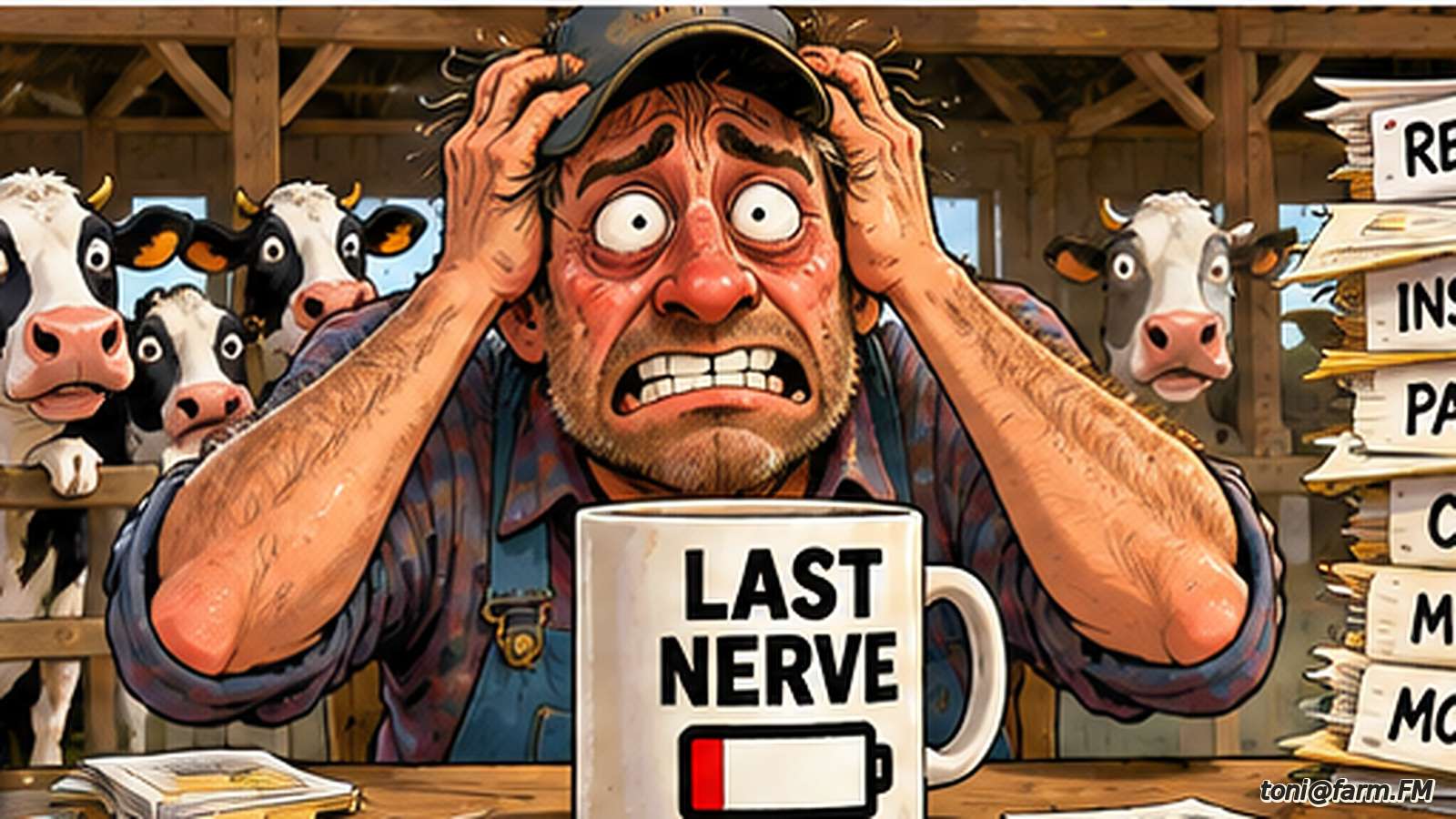
What does a 95% survey result really tell you?
The 95% figure is the headline claim and should be treated as reported until you find the original survey and read its methodology. A result that high usually reflects a question phrased broadly, such as whether respondents believe these factors are raising costs at all, rather than how much each one adds.
Look at who was surveyed, how they were chosen and when. The Ag Economy Barometer publishes its questions and methods in the open, which makes it a useful yardstick for comparing any new survey.
A careful reader also asks what the other 5% said and whether respondents were allowed to answer with shades of agreement. Surveys that force a yes or no tend to produce bigger numbers than ones that offer a scale, and neither version tells you the dollar impact on your own farm.
How does war reach your cost sheet?
Conflict can disrupt energy markets, shipping lanes and fertilizer supply, and those flow into diesel, nitrogen and freight costs. Producers feel it when a quote from the co-op arrives higher than last season's invoice.
Cause and effect is rarely clean. Prices also respond to weather, demand and supply decisions made far from any battlefield. The Bureau of Labor Statistics and USDA AMS publish price series that let you see the timing of changes and compare them with events.
A simple test is to pull your own invoices. Compare the price you paid for diesel and nitrogen this season against last season, line by line, and write the dates beside them. Your own records are the most reliable evidence you will ever have about your costs.
How do tariffs reach your cost sheet?
Tariffs can raise the price of imported inputs and machinery parts, and they can cut demand for exports when other countries retaliate. The first effect raises costs, the second lowers revenue, and the two together squeeze margins from both sides.
Official rate tables sit with the U.S. International Trade Commission, while the USDA Foreign Agricultural Service reports export sales. Check them for the commodity and the country that matter to you, because averages hide big differences.
What do supporters and critics argue?
Supporters of the view that war and tariffs are raising costs point to what producers see on invoices and say these are direct, observable increases. They argue that policy should account for the burden on farms that cannot pass costs on to buyers.
Critics respond that other causes also matter, that tariffs can protect domestic suppliers and strengthen negotiating positions, and that opinion polls capture feelings as well as facts. Both sides agree costs are up for many producers. They disagree about why and what to do about it.
There is a quieter point on which many economists agree: uncertainty itself costs money. When producers cannot tell whether a tariff will stand or a shipping route will reopen, they hedge, delay purchases and demand bigger cushions, and that behavior shows up in margins even before any price moves.
What does it mean for Enid and northwest Oklahoma?
Wheat, sorghum and cattle operations in this region buy fuel, fertilizer, feed and parts from many places and sell into markets shaped by exports. A cost shock in one direction and a price shock in the other can arrive at the same time, which is why producers here pay close attention to both.
The Dallas Fed and the Kansas City Fed publish regional economic and farm credit reports, and OSU Extension economists explain what the numbers mean for local budgets.
Livestock operators feel it through feed grains and hay, and the ranch beef cattle guide offers ideas for managing those costs without cutting herd quality.
What can you do about it?
Control what you can. Update your budget with current quotes, soil test before buying nutrients, trim fuel use and shop for parts early. Consider whether crop insurance and marketing plans cover the risks you cannot control.
A practical guide to budgeting and loan basics is at the farm money guide, and the crop calendar guide helps with timing. On farm.FM you can read more on the agribusiness side or take the satirical route in the farm news and satire section, including a farm.FM story on farmers and rising costs.
Sources and further reading
- Ag Economy Barometer: Purdue/CME farmer sentiment survey
- Bureau of Labor Statistics: labor and price data
- USDA AMS: marketing and market news
- U.S. International Trade Commission: tariff and trade data
- USDA Foreign Agricultural Service: export markets and trade data
- Dallas Fed: regional economy including Texas and Oklahoma
Ask locally: Ask your co-op, an OSU Extension economist or your lender how these costs affect your budget.