The $15 Billion Promise: Will It Arrive in Time to Matter?
A headline number is not a deposit. Here is how big farm aid promises travel from announcement to bank account, and what a farmer can do while waiting.
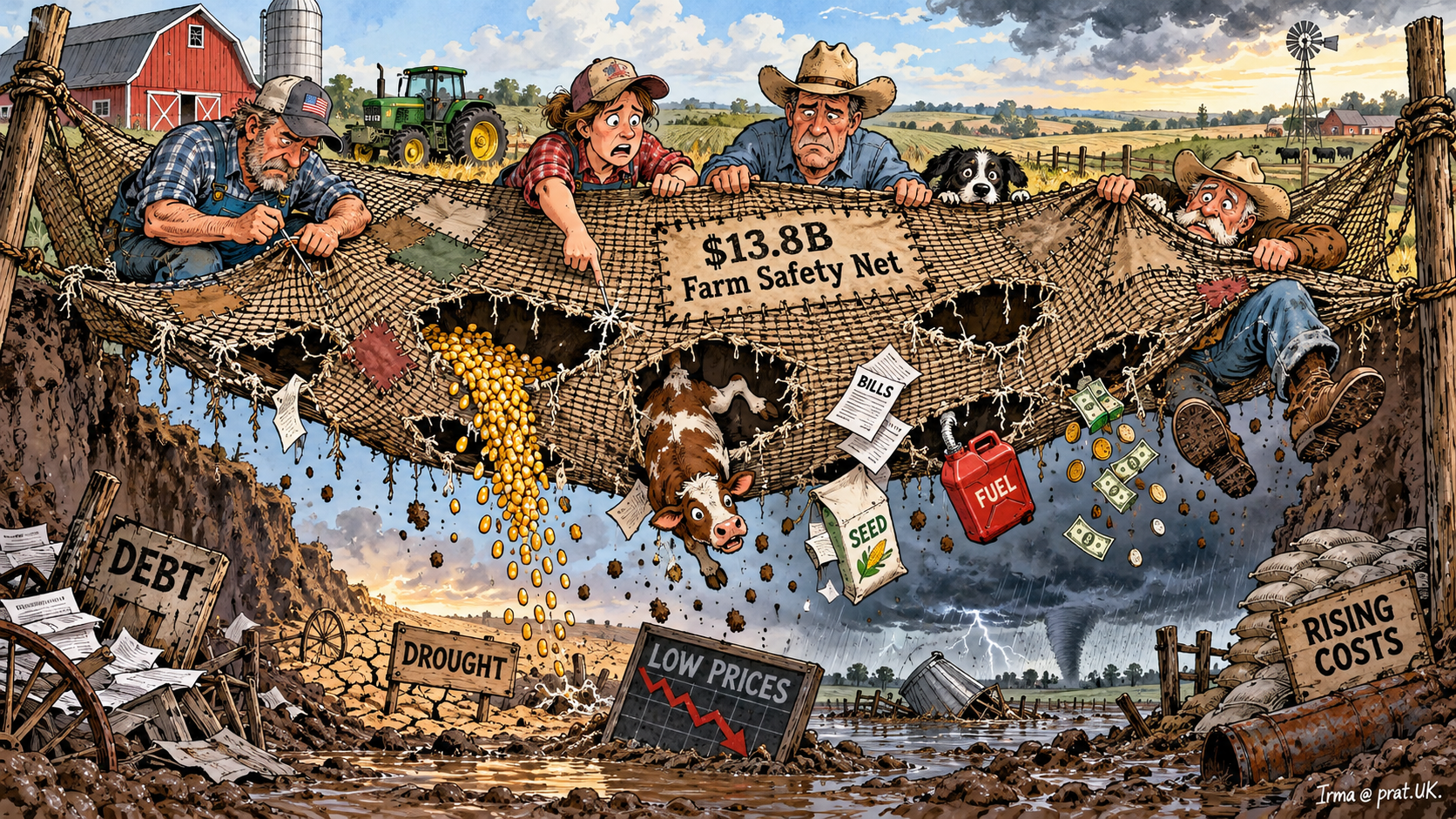
What is the promise, and what do we actually know?
The title refers to a $15 billion figure as reported in news coverage of a farm aid announcement. A headline number like that tells you the size of the pledge, not who gets paid, how much or when. Treat the figure as reported, and confirm the facts at official pages such as USDA and the Farm Service Agency before building a budget around it.
Nothing in this article adds new numbers to the headline. The more useful question for a farmer in Garfield County or the Oklahoma Panhandle is how the money would move, and how long that tends to take.
Even a pledge that passes smoothly may be split across many commodities and regions, so the amount that reaches a given Oklahoma farm may look very different from the headline. Ask for the payment formula, not just the total.
How does aid move from announcement to payment?
The usual path has stages: an announcement, a legal or funding step, rules written by the agency, a sign-up period at county offices and finally payments. Each stage can take weeks or months. Payment formulas may depend on acres, commodities or past production, so two farms can get different results from the same pot.
Farmers.gov posts program details when they are open. The Congress.gov site shows legislative steps, and the Congressional Budget Office publishes cost estimates for programs, which help you understand scale.
The small farm guide on our sister network explains simple recordkeeping for farms that do not have a full-time bookkeeper, which is handy when sign-up paperwork arrives.
Why does timing matter so much?
Farm bills come due on a calendar: seed and fertilizer in the spring, rent and interest at set dates, equipment payments year round. Aid that arrives after the bank has already had to be paid does less good than the headline suggests. Short-term operating credit can bridge the gap, but it has a cost.
That is why many farmers ask for faster delivery as much as bigger amounts. If you need a bridge, compare lenders, including local banks, credit unions, Farm Credit associations and FSA farm loans, and ask for the full cost in writing.
Do not spend money before it is in your account. Talk to your lender about how it treats expected aid in your projection.
What do supporters and critics say?
Supporters say large aid packages offset real losses and keep farms running through tough years. They argue that farmers did not cause the conditions that created the shortfall, and that doing nothing would speed consolidation.
Critics say aid can be uneven, can blunt market signals and can reach larger operations more than smaller ones, and that it is not a substitute for market access. The USDA Economic Research Service and GAO publish analyses that shed light on how past programs worked. These disputes are real, so read widely.
How should you prepare to apply?
Collect production records, acreage reports, insurance documents, tax returns and entity paperwork. Make sure your farm records with FSA are up to date, because eligibility often depends on them. Contact your county office early and ask what documents they expect.
The farm money guide has a list of records worth keeping, and Oklahoma Farm Bureau often shares updates on sign-up periods.
If you are behind on payments while you wait, call your lender early. Lenders often have more flexibility before a missed payment than after one.
What is the bottom line?
Promises help morale, but money pays the bills. Plan as though aid might be late or smaller than hoped, and treat any payment as a bonus until it lands. farm.FM keeps tabs on agribusiness and farm news, and a related farm.FM story about farm aid promises adds some wry perspective.
This is education, not financial advice. Confirm sign-up dates, eligibility and amounts at the official source.
For readers anxious about the waiting, a calm plan helps: list the bills due in the next sixty days, rank them, and call each creditor before the date rather than after. Most lenders and suppliers respond better to early honesty than to silence.
Sources and further reading
- USDA: U.S. Department of Agriculture
- USDA Farm Service Agency: FSA farm programs and loans
- Farmers.gov: USDA one-stop site for producers
- Congress.gov: bills and legislative status
- Congressional Budget Office: cost estimates for federal programs
- GAO: government watchdog reports
Ask locally: Ask your county FSA office, your lender, or your farm organization about sign-up timing.