Tariffs, Trade Wars, and the Disappearing Soybean Export Market
Export markets take years to build and can shift quickly. Here is how tariffs affect soybean demand, and how to follow the data yourself.
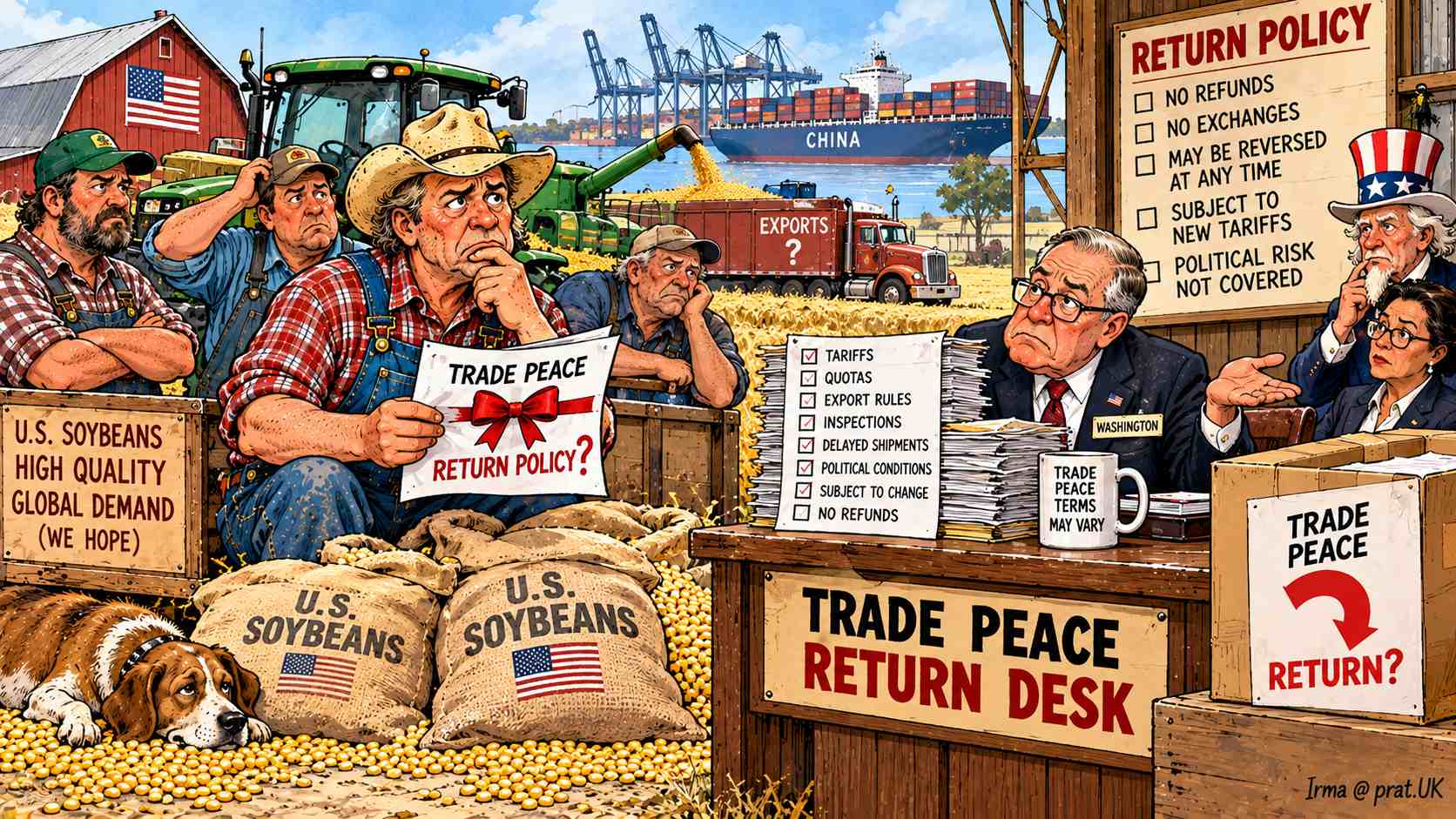
What does it mean when an export market disappears?
Headlines about a disappearing soybean market describe buyers shifting to other suppliers. How much has shifted should be checked at the official source, since claims vary by month and by country. The USDA Foreign Agricultural Service publishes export sales reports and country data that settle most arguments.
A lost customer does not simply come back when the tariff ends. Buyers sign contracts with other suppliers, build relationships and adjust crushing capacity.
Reading monthly data over several seasons is more informative than a single week. The pattern of purchases, the destinations and the pace of shipments reveal whether a shift is temporary or lasting. Many farm economists track these numbers closely and explain them in plain language through extension publications.
How do tariffs change the price a farmer sees?
Tariffs raise the cost of the product for the foreign buyer. That can lower demand for U.S. soybeans, widen the basis and push local cash prices down. Retaliatory tariffs are the mechanism most farm groups worry about.
Data on tariff rates and trade flows sits with the U.S. International Trade Commission and USTR. Check them rather than relying on social posts, because rates change and exceptions are common.
Currency moves, freight costs and competing suppliers all add to the picture. A tariff is one of several things pulling on price, which is why economists often disagree about how much blame it deserves for a given price drop. Look for analyses that separate the pieces rather than blaming one cause.
What does this mean in Oklahoma?
Soybeans are only part of the Oklahoma story, because trade fights reach wheat, cattle, cotton and sorghum too. Enid sits in a wheat and grain region where export demand, port logistics and railroad capacity all shape the price at the elevator. Cattle feel it through beef export demand.
The Oklahoma Department of Agriculture, Food and Forestry supports state trade efforts, and the International Trade Administration helps companies find buyers abroad.
If you grow soybeans in rotation or custom feed, the effect can arrive through meal and oil markets, through livestock feed costs, and through the basis your elevator offers. Ask your buyer how export sales are affecting what they bid, and for how long they expect it to last. A direct answer from someone who watches the market daily is worth a lot.
What are the arguments for tariffs?
Supporters argue tariffs give negotiators more bargaining power, protect domestic industries and can push trading partners toward fairer terms. They say short-term pain can lead to longer-term gain.
Critics respond that farmers often bear the cost first, that retaliation targets agriculture, and that lost markets are slow to recover. The honest answer depends on timeframe and on which commodity you grow. Read both arguments and test them against your own price history.
A middle position is worth stating too: some producers say targeted tariffs can work if backed by clear aid and a plan to restore access afterward, while others say aid never makes up for a lost customer. You do not have to pick a team to understand the numbers; you can simply ask what each approach would cost your farm.
How can producers manage trade risk?
Marketing plans help. Spread sales across the year, understand your basis, and consider crop insurance and revenue protection through USDA RMA. Look into ARC and PLC payments to see how they interact with low prices.
Diversification helps as well, where it fits your ground and equipment. Learn what each crop does for your rotation using the crop calendar resource.
Think about your own risk tolerance. If an export shock would wipe out a year of margin, price some of the crop before it matters and know where you will store the rest. Write down your trigger prices in advance, so decisions in a stressful market follow a plan instead of a headline.
- Write a marketing plan before harvest.
- Review insurance coverage each year.
- Know your break-even per bushel.
Where to keep up
Track trade news but verify it. Over on farm.FM you will find news and satire and agribusiness pieces that poke at the trade fight, along with a farm.FM story about soybean tariffs.
For deeper study, the farm money guide covers marketing and finance basics. As always, check current rules and rates at the official source.
One last note on sources: when a story quotes a trade figure, find the original table, check the date, and confirm the unit. Small mistakes in units and time periods are the most common reason two honest sources seem to disagree.
Sources and further reading
- USDA Foreign Agricultural Service: export markets and trade data
- U.S. International Trade Commission: tariff and trade data
- USTR: U.S. Trade Representative
- Oklahoma Dept. of Agriculture, Food and Forestry: state agriculture agency
- International Trade Administration: export help for U.S. businesses
- USDA Risk Management Agency: crop insurance
Ask locally: Ask your grain elevator, an OSU Extension crop economist, or your crop insurance agent about trade-related price risk.