Why the Next Farm Crisis Won’t Look Like the 1980s (But Will Feel Like It)
Farmers who lived through the 1980s say they know the smell of a bad year coming. The next crisis, if one comes, is unlikely to arrive in the same package, but the feeling in the kitchen may be much the same.
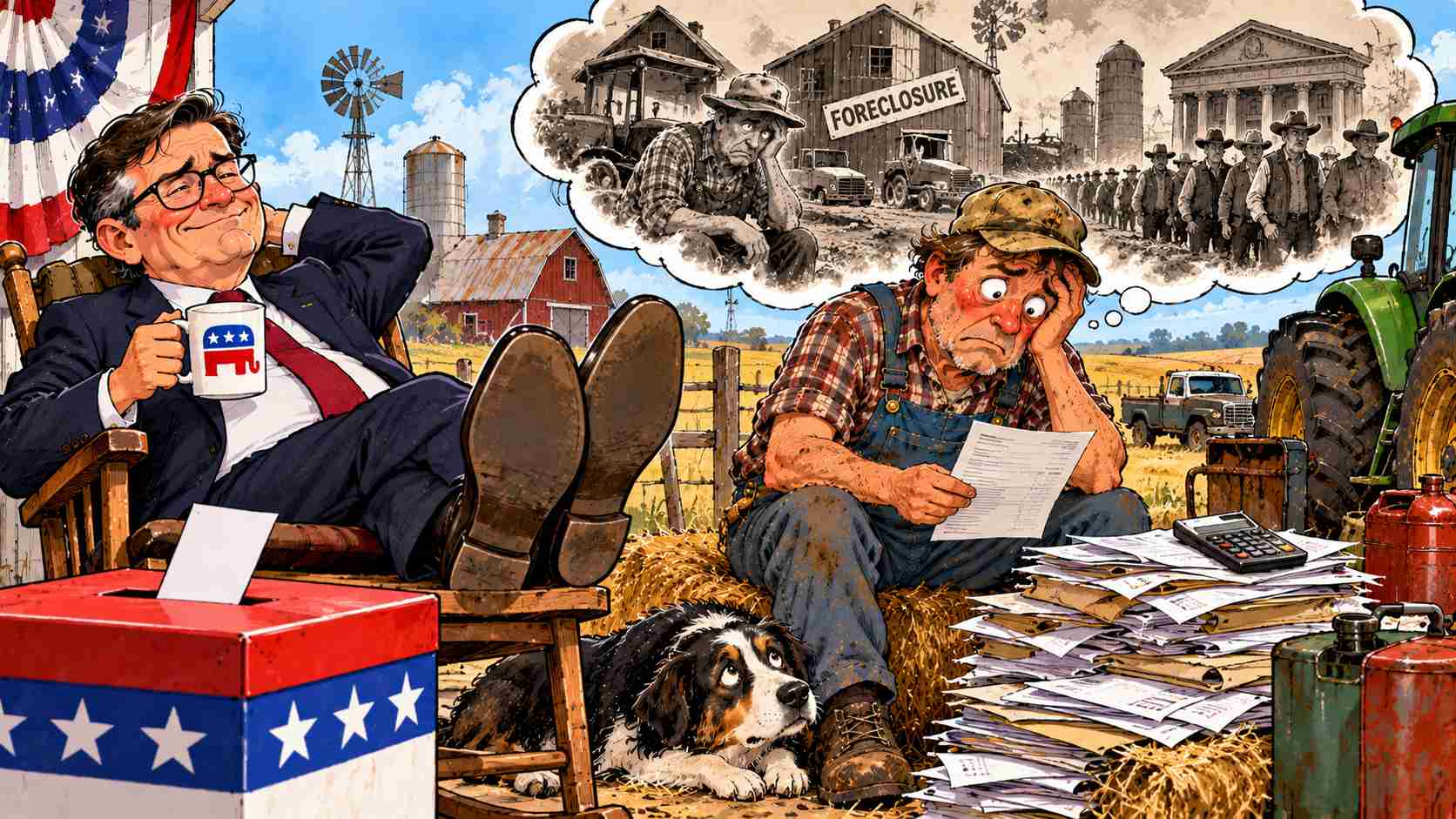
What is the 1980s memory?
The 1980s farm crisis is usually described as a period of high interest rates, falling land values and heavy debt, which left many farms unable to refinance and forced sales. Rural banks and communities suffered along with farms. For many families it left lessons about debt and risk that stuck.
Details of that period are best read from historical and economic sources such as the USDA Economic Research Service and the Kansas City Fed. Treat summaries, including this one, as a starting point. Ask someone who farmed through those years what they watched for, then compare their memory with the published numbers, since both are useful and neither is complete.
What is different now?
Analysts often argue that lending standards, farm balance sheets and the role of crop insurance and federal programs are different from before. Farms tend to be larger and more specialized, and a smaller share of farm debt may be tied to the kind of loans that caused trouble then. Those claims should be checked against current data.
The Farm Credit Administration, FDIC and Federal Reserve publish credit and financial stability information. The picture can change quickly, so rely on current releases.
Why might it still feel the same?
Squeezed margins feel the same whatever the cause. A farm facing high costs, flat prices and a stiff payment will experience stress that echoes the old stories, even if the mechanics are different. The first signs may be slower payments to suppliers, tighter credit and falling equipment sales.
Rural communities can feel it even earlier. A quiet implement dealer or a lot of used equipment for sale is a sign. These are signals, not proof, so check them against data. Pair what you see on Main Street with what the lender surveys and land value reports say, and look at the trend across several quarters rather than one anxious week.
- Slower payments to suppliers and the co-op
- Tighter credit and shorter loan terms
- Weak land sales or falling cash rents
- Rising delinquency or restructuring requests
- Used equipment piling up at dealers
What do analysts disagree about?
Optimists argue that strong balance sheets, federal programs and modest debt loads in many operations will cushion a downturn. Pessimists argue that high input costs, higher interest rates, uncertain trade and elevated land values could combine into a squeeze. Both views rest on real data, and the weight depends on timing and region.
The Dallas Fed and farmdoc daily publish regional and farm economy analysis. Read both optimists and pessimists before forming a view.
What can a producer do before a squeeze?
Know your break-even, keep working capital strong and avoid adding fixed costs on the strength of one good year. Talk to your lender before trouble and consider locking in terms that give you room. FSA farm loans and Farm Credit are among the options to understand ahead of time.
Basic financial planning is covered at this farm money guide and the rural community side at a rural community resource. This is general education, not financial advice.
How does this look near Enid?
Northern Oklahoma is a mix of wheat, cattle, grain, energy and service businesses. A drought, a price slide or an interest rate jump can each hit a different part of that mix. Producers who diversify, keep costs in check and have a relationship with their lender will be better placed than those who do not.
Weather risk is part of it, and it can arrive faster than any interest rate move. The Drought.gov site tracks dryness, and drought has repeatedly tested Oklahoma producers.
What about the human side?
Past crises left scars, and the stress of financial trouble is real. If you or someone you know is in crisis, call or text 988 to reach the 988 Suicide and Crisis Lifeline. Reaching out early and talking to a lender or advisor often opens more doors than waiting. Lenders generally prefer to hear about a problem while there is still room to fix it, and a farm that asks in March has more choices than one that waits until the note is past due.
Over at farm.FM the agribusiness section follows farm credit, and a farm.FM story on the 1980s farm crisis is a good history read. The farm news section keeps watch on what comes next.
Sources and further reading
- USDA Economic Research Service: farm economy data and analysis
- Kansas City Fed Agriculture: farm credit and land value surveys
- Farm Credit Administration: regulator of the Farm Credit System
- FDIC: deposit insurance and bank information
- Federal Reserve: U.S. central bank
- Dallas Fed: regional economy including Texas and Oklahoma
Ask locally: Talk with your lender and county extension office about how your balance sheet holds up under a squeeze.
Related articles
- The $605 Billion Debt Cliff: Why Farm Sector Borrowing Is Outpacing Equity
- The 7% Interest Rate Reality: Why Operating Loans Are Eating Farm Profits
- Borrowing to Survive: How High Rates Are Trapping the Next Generation of Growers
- The Disappearing Middle: How Small and Mid-Sized Farms Are Being Squeezed Out