When Your Lender Becomes Your Business Partner (and You Didn’t Ask)
Nobody signs a note expecting a new partner at the kitchen table. Yet some borrowers find their lender weighing in on seed, rent and even equipment. Here is how that happens and what you can do about it.
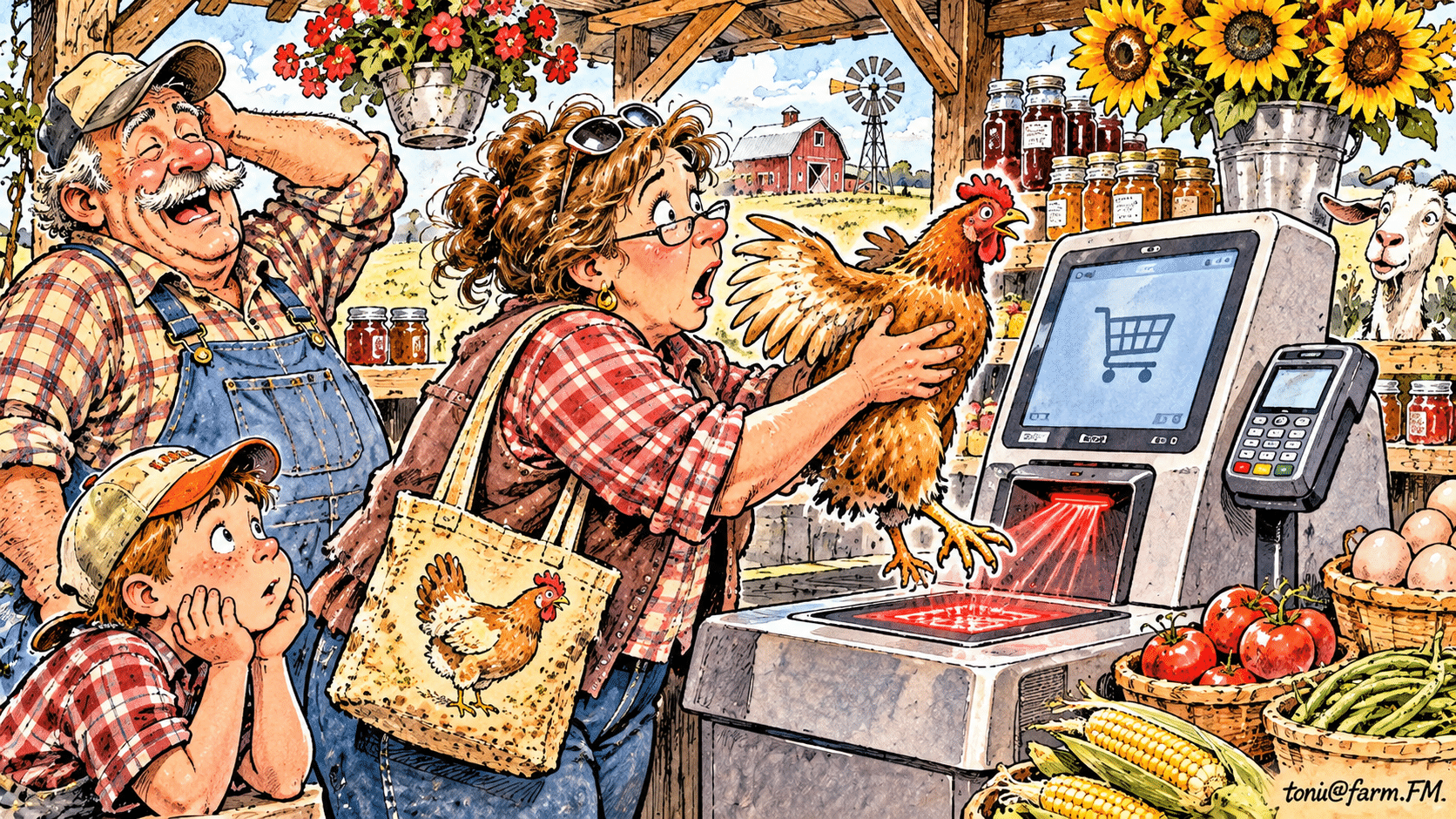
How does a lender end up acting like a partner?
It rarely starts with a power grab. It starts with a tough year, a late payment or a renewal that comes with new conditions. The loan agreement gives the lender rights, and when risk goes up, lenders use them. The opinion in the headline is that it feels like a partnership nobody voted on.
Reading your agreement is the first step. Many borrowers have not opened theirs since closing day. Find the sections on covenants, reporting, collateral and default, because that is where the lender's room to step in is written down.
What do lender controls look like in practice?
Common examples include required budgets and cash flow projections, approval before selling equipment or land, limits on new debt, assigned crop insurance, and rules about where proceeds are deposited. None of these is unusual. Together, they can feel like someone else sets the farm calendar.
Some lenders also ask for periodic inspections or sit-down reviews. Those meetings are an opening. A borrower who arrives with a clear plan and updated numbers is treated differently from one who shows up with surprises.
- Written operating plans and budgets
- Approval rights over asset sales
- Limits on additional borrowing
- Insurance and assignment requirements
- Regular financial statement deadlines
How do you keep control of your own operation?
Communicate early and in writing. If a price drop or a failed field is coming, call before the payment is due. Lenders generally prefer a plan over a surprise, and a plan can lead to restructuring options. FSA loan programs sometimes offer servicing options for borrowers in trouble, so ask what is available. The Farmers.gov loan page also explains direct and guaranteed options, and Farm Credit associations publish their own borrower information.
Keep your records clean. Accurate statements from a farm money record-keeping guide give you pull in the only sense that counts, which is credibility. A lender who trusts your numbers has less reason to micromanage your decisions.
What rights do borrowers have?
Borrowers have rights under their contract and under federal and state law, and those vary by loan type. Farm Credit borrowers have specific protections described by the Farm Credit Administration, while bank customers can look to state and federal regulators. The CFPB offers consumer finance basics, though agricultural credit is treated differently in many cases.
If you think a lender has crossed a line, document everything and talk to an ag attorney. Oklahoma's Department of Agriculture, Food and Forestry can point you toward state resources, and the Oklahoma State Banking Department oversees state-chartered banks.
Is lender oversight ever a good thing?
Supporters of tighter lender oversight argue that it protects both sides. A lender who watches closely can spot trouble early, and a borrower who sees the warning signs can adjust before it is too late. Some farmers say a hard conversation saved their operation.
Critics respond that oversight can slide into control, especially for families with limited alternatives in rural Oklahoma, where there may be only a few lenders within driving distance. The honest answer is that it depends on the lender and the relationship. Shop around when you can, and ask about other lenders before you need one.
What should you ask before you agree to any new terms?
Before a renewal or amendment, ask three things: what changes, why it changes, and what you get in return. If the lender wants tighter reporting or more collateral, ask whether that buys you a lower rate, a longer term or more operating room. Trade-offs that are discussed out loud are easier to accept than ones buried in a revised agreement.
Bring someone with you if you can. A spouse, a partner in the operation or a trusted advisor hears different things than you do, and two sets of notes beat one. Afterward, send a short email summarizing what you understood. It creates a record and gives the lender a chance to correct any misunderstanding.
Finally, keep a calendar of every date in your loan documents. Missed reporting deadlines are a common way a good borrower hands a lender a reason to tighten the screws.
What should you do this month?
Pull out your loan documents and mark every clause that gives the lender approval power. Make a list of questions and schedule a conversation before renewal season. If you are weighing a move, compare options through this rural farm guide and ask other farmers what they would do differently.
Over at farm.FM, the ranching section covers how cattle operations handle credit, and the satire desk offers a laugh when the numbers get heavy. For a related read, try a farm.FM story about lender relationships.
Sources and further reading
- FSA Farm Loans: FSA direct, guaranteed, microloan and emergency loan information
- Farm Credit Administration: regulator of the Farm Credit System
- CFPB: consumer finance protection
- Oklahoma Dept. of Agriculture, Food and Forestry: state agriculture agency
- Farm Credit: cooperative agricultural lending network
- Farmers.gov Loans: USDA farm loan overview and loan assistance tools
Ask locally: Ask an Oklahoma ag attorney or an extension farm management specialist to review any covenant you do not understand. General education only, not legal or financial advice.