The Inflation Tax: How Rising Prices Hit Farmers Twice
Inflation is a tax nobody votes on. For farmers it can land twice: once at the parts counter and fuel pump, and again when the price they receive does not rise to match.
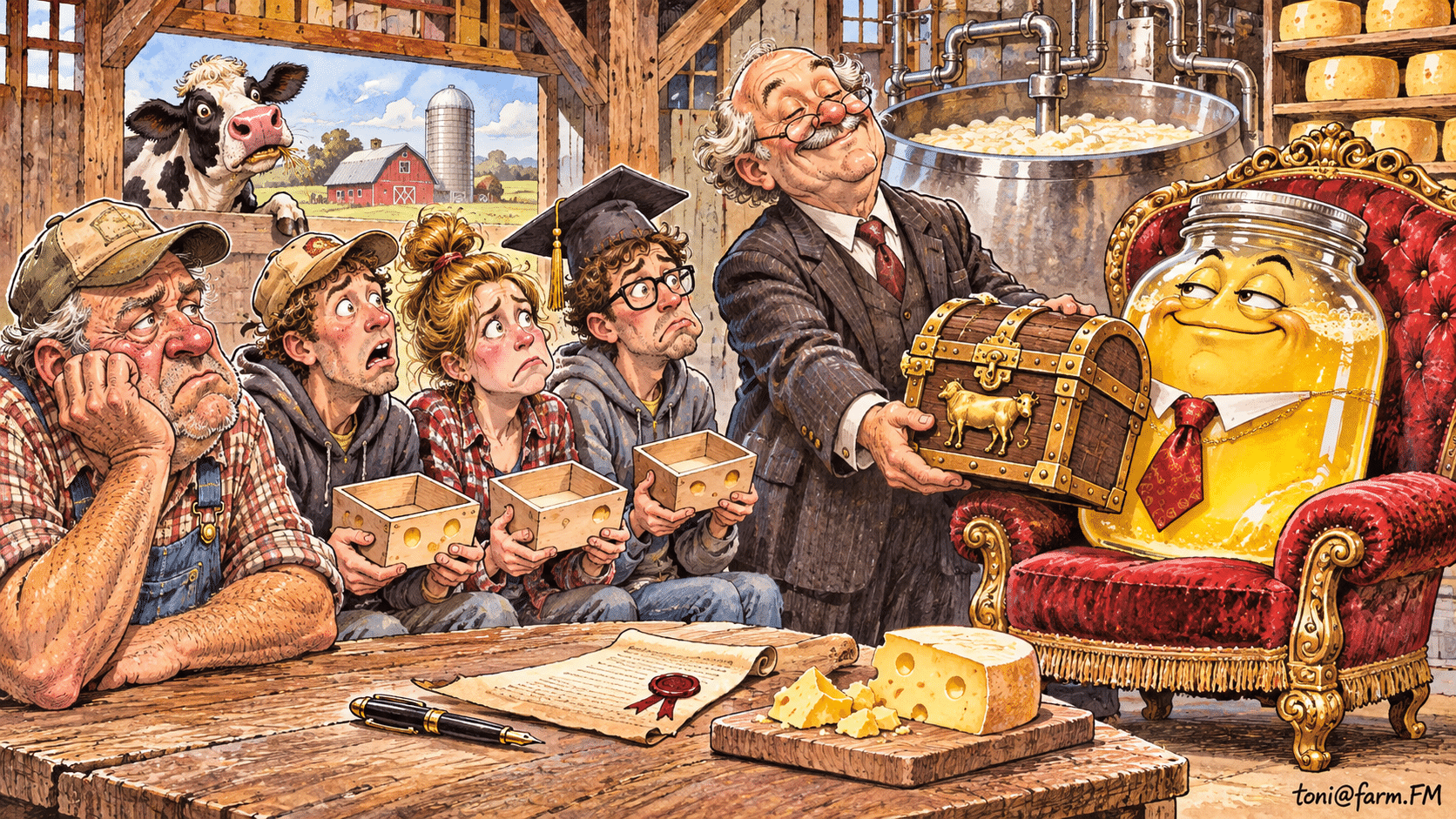
What does hit twice mean?
The first hit is cost. Seed, fertilizer, chemicals, fuel, parts, labor, rent and interest can all climb when prices rise generally. The second hit is revenue. Farm products are sold in markets where prices are set by supply, demand and global conditions, so they may not follow inflation up. If costs rise faster than prices, margins shrink.
The Bureau of Labor Statistics tracks price indexes, and the BLS site explains how inflation is measured. Farm input prices and prices received are tracked by USDA NASS. Read the methods notes, because the way an index is built decides what it can and cannot tell you about your own farm.
Why do farm costs rise faster than farm prices?
Inputs often come from concentrated suppliers who can pass along their own costs. A farmer selling into a commodity market is generally a price taker. Contracts, delays and the time between buying inputs and selling a crop add risk, because costs are locked in before prices are known.
Interest rates add another layer. When the central bank raises rates to cool inflation, operating loans and land payments cost more. The Federal Reserve and the Kansas City Fed publish economic and farm credit data you can read for context.
What about land and equipment?
Land values and rents can rise with inflation, which helps those who own and hurts those who rent or want to buy. Equipment prices can rise faster than household budgets, making replacement more expensive. A rising land value is paper wealth unless you sell, and a young farmer may be priced out.
The Dallas Fed publishes regional analysis for Oklahoma and neighboring states, which is worth reading for local context. Land market data are also tracked by USDA ERS.
- Seed, fertilizer and chemical costs
- Fuel, parts, tires and repair
- Labor and custom hire
- Rent and interest
- Land and equipment replacement
Who is argued to be at fault, and what is disputed?
Some argue government spending and monetary policy drive inflation. Others point to supply chain disruptions, energy prices and market concentration. Economists disagree on how much each factor matters, and the answer changes by period. Farmers rarely have the luxury of waiting for the debate to settle.
The useful move is to read multiple explanations and notice which claims rest on data. Avoid anyone who gives a single cause and a single fix. The honest answer is usually several causes, each moving at its own pace, and a farmer in the Oklahoma Panhandle may see a different mix from one in the eastern part of the state.
How do you measure inflation on your own farm?
National averages are a start, but your own books tell the story. Compare cost per acre or per head over the last few years, and separate price changes from volume changes. Note which line items grew fastest and where you have room to adjust.
A simple spreadsheet is enough. The money tools are discussed at this farm money guide, and equipment cost planning at a tractor and equipment resource. Do the math before you reach for a headline.
What can a producer do about it?
Options include locking in input prices when they look reasonable, buying in bulk with neighbors, trimming costs that do not return value, extending debt terms when that makes sense and adding enterprises that can raise prices. Talk with OSU Extension, your lender and a tax professional about what fits.
Do not make big commitments on the assumption that costs will fall back. If they do, great. If not, you are covered. Also ask whether a fixed-rate loan, a longer lease or a forward purchase would make sense for your operation, and get the terms in writing before you decide.
What is the larger lesson?
Inflation rewards those who own assets and punishes those with fixed or lagging income. Farmers are often both, owning land while earning in a price-taking market. That mix makes careful tracking worth the effort.
Over at farm.FM the agribusiness section follows the cost squeeze, and a farm.FM story on inflation and farm costs adds a lighter view. The satire page offers some comfort at the checkout.
Sources and further reading
- Bureau of Labor Statistics: labor and price data
- USDA NASS: agricultural statistics and surveys
- Federal Reserve: U.S. central bank
- Kansas City Fed Agriculture: farm credit and land value surveys
- Dallas Fed: regional economy including Texas and Oklahoma
- USDA Economic Research Service: farm economy data and analysis
Ask locally: Ask your lender and county OSU Extension office to help you compare your cost per acre across recent years.