The Hidden Cost of Cheap Food: Who Really Pays?
Cheap food is one of the great promises of modern agriculture, and for shoppers it often delivers. The question this piece asks is who covers the difference between what food costs at the store and what it costs to produce.
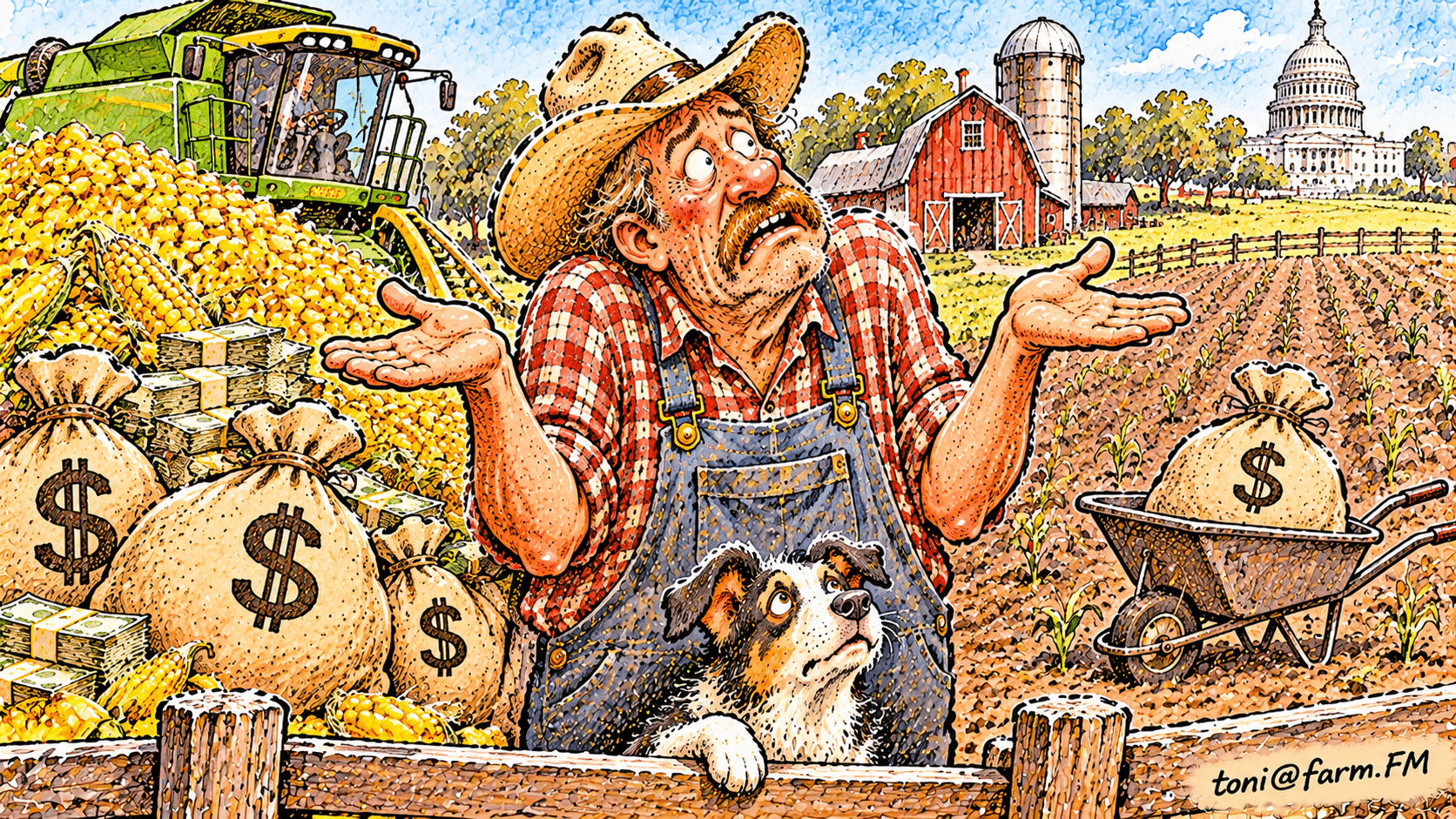
What does cheap food mean?
Cheap food is a relative term. In many countries, families spend a smaller share of income on food than they did in the past. Supporters see that as a triumph of productivity and competition. Critics ask what was given up to get there, and who has carried the burden.
You can see food price and spending data from the USDA Economic Research Service and the Bureau of Labor Statistics. Check current figures there rather than trusting a number from a social media post.
Who might be paying?
Critics argue that costs show up in several places: farmers who accept thin margins, workers in farms and plants with low wages, rural communities that lose businesses as farms consolidate, and environmental systems like water and soil. Public costs for farm programs can also be seen as an indirect cost of cheap food.
Each of these claims needs evidence, and the size of each is disputed. This page lays out the argument without putting numbers on it.
- Farm families operating on thin margins
- Workers in farms, feedlots and plants
- Rural towns that lose farms and businesses
- Soil, water and air costs not in the price
- Taxpayers who fund farm programs
What do defenders of cheap food say?
Defenders say that low food prices are especially important to low-income families, that modern agriculture feeds a large population with less land and that rising prices would hurt those who can least afford them. They note that many environmental practices have improved and that markets reward efficiency.
They also argue that blaming food prices for farm hardship misses the point, since farm hardship is also driven by costs, interest and market structure. Researchers disagree on how far each factor matters.
What facts are disputed?
Economists argue over how much of farm income problems come from low prices, how much from high costs and how much from market concentration. They also differ on the size of environmental and public health costs and on how to measure them. Some studies find large hidden costs, while others find them smaller or offset by gains.
Read the sources yourself, and be wary of anyone, on any side, who gives you a single number with no source attached. farmdoc daily and the GAO publish analyses, and National Agricultural Library collections include research you can search.
How does it look from northern Oklahoma?
Producers around Enid grow wheat and raise cattle that end up in food on shelves far away. The price they see in the elevator or the sale barn is a fraction of the price at checkout, and rising costs can erase the margin. Many say the system moves value away from the farm.
Farm margins are covered at this farm money guide, and the effect on small towns at a rural community resource. For the price spread, the USDA Agricultural Marketing Service publishes market news.
Is there a middle ground?
Many people agree on some points: farmers should earn a fair margin, workers should be treated fairly, families should be able to afford food and land should be cared for. How to get there is where they disagree. Options include better price transparency, stronger competition rules, direct sales, conservation incentives and targeted nutrition support.
Each of these has trade-offs. Direct sales help some producers and take time. Competition rules can protect farmers but may raise some prices. No single answer fits every farm. What works for a vegetable grower selling at a farmers market will not help a wheat grower who ships to an elevator, and a plan that ignores that difference will disappoint somebody.
What can you do?
As a producer, know your costs and look for markets that pay for what you offer. As a shopper, notice where your food comes from. As a citizen, read the sources and talk with people who see it differently.
Over at farm.FM the agribusiness section follows the farm and food economy, and a farm.FM story on the cost of cheap food adds more. The farm food stories are a good side dish.
Sources and further reading
- USDA Economic Research Service: farm economy data and analysis
- Bureau of Labor Statistics: labor and price data
- farmdoc daily: University of Illinois farm economics
- GAO: government watchdog reports
- National Agricultural Library: agricultural research library
- USDA AMS: marketing and market news
Ask locally: Ask an OSU Extension agricultural economist or your farm management educator about farm margins and food prices.
Related articles
- How the Iran War Sent Fertilizer and Diesel Costs Spiraling for U.S. Growers
- The Input Cost Trap: When Equipment and Parts Prices Rise Faster Than Crop Values
- The Profitability Illusion: Why Record Production Doesn’t Mean Record Income
- The Fuel and Fertilizer Double Whammy: A 2026 Growing Season Postmortem