How the Iran War Sent Fertilizer and Diesel Costs Spiraling for U.S. Growers
When conflict hits energy and shipping lanes, farm input bills tend to move. Here is how the chain works and how to protect your margins while it plays out.
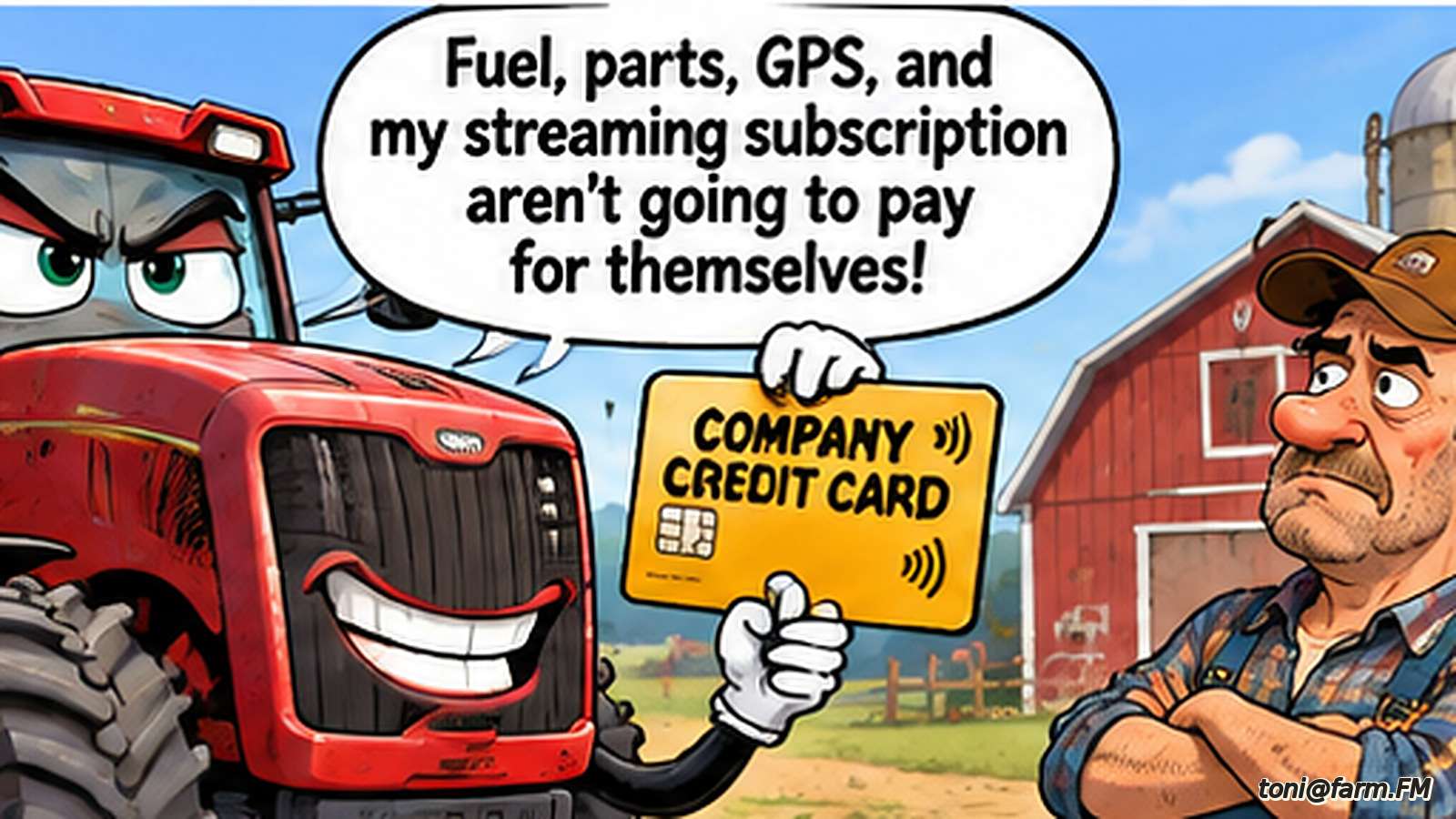
How does a war overseas reach a farm input bill?
The headline links the conflict to rising fertilizer and diesel costs, and the exact size of any increase should be checked against current price reports. The general mechanism is simple: conflict can disrupt oil, natural gas and fertilizer shipping, and those inputs are traded globally.
Nitrogen fertilizer depends heavily on natural gas, and diesel follows crude oil. When either one jumps, the cost reaches the farm gate within weeks or months, depending on contracts and inventory.
Local dealers also price on what they paid for inventory, not on today's wholesale quote, so two neighbors can see different prices on the same day. Ask when the product was purchased and whether a later delivery would price differently. That small question can save real money in a rising market.
Where can you see the real numbers?
Do not rely on a single quote. USDA AMS market news publishes regular fertilizer and commodity reports, and Bureau of Labor Statistics price data shows the broader cost trend. The USDA Economic Research Service also analyses input costs and farm income.
Ask your local co-op and dealer for written quotes, with the date and the terms. A price without a date is only a rumor.
Oklahoma growers can compare quotes across at least two or three suppliers, including co-ops and independent dealers, and ask about prepay discounts, delivery fees and storage. Keep notes from each call. A simple spreadsheet showing the per-acre cost of each plan beats memory when the season gets busy.
- Fertilizer dealer quotes, written and dated
- Diesel price history from your own invoices
- Crop budgets from extension
What can a wheat and grain grower in Oklahoma do?
Soil testing is the cheapest input decision you will make. If a test shows adequate phosphorus and potassium, you might skip a pass and save real money. Nitrogen rates deserve the same discipline, and OSU Extension publishes rate guidance for Oklahoma crops that is worth consulting.
Timing matters too. Some growers split nitrogen applications to reduce risk, and some buy early when prices are favorable. Neither is right for everyone, so run the numbers for your acres and your storage.
It also helps to separate what you must apply from what you habitually apply. Years of the same program can build a pattern no one has tested lately. Variable-rate maps, yield records and tissue tests help you spend where the response is real. Ask your agronomist what a trimmed plan would cost in yield, and decide whether the trade is worth it.
What can you do about diesel?
Diesel is harder to control, but fuel use is not fixed. Tillage passes, idling, tire pressure and machinery maintenance all change burn rates. Fewer passes, matched implements and good maintenance save fuel year after year. The tractor and equipment guide has maintenance basics.
Consider also how fuel purchases are timed and stored. Check local rules and safety guidance before adding tank capacity.
For those running cattle, fuel and fertilizer costs also show up in hay and feed. The ranch beef cattle guide has practical thinking on stretching forage and managing input costs on the livestock side.
Is the war the whole story?
Supporters of the war-driven explanation point to the timing of the price jumps and the global nature of energy markets. Critics respond that input prices were already high, that other forces such as demand, shipping and supply concentration also play a part, and that blaming one event can hide structural issues.
A fair reading is that conflict makes an existing pressure worse. The USDA Foreign Agricultural Service and Dallas Fed both publish analysis that can help you see the broader context.
How to protect your margin this season
Build a crop budget before you buy inputs, and update it when prices change. Run a worst-case column. If costs rise further, where does the budget break, and what would you cut first? Share it with your lender early, because lenders prefer plans to surprises. The crop calendar guide helps with timing.
For more reading, farm.FM covers the economics at its agribusiness section and the lighter side at the satire desk, including a farm.FM take on fertilizer and diesel prices.
Finally, keep an eye on timing for payments. Pay attention to when inputs are due, when the crop sells and when the operating note matures. A lender can often help line these up, particularly when you bring the budget and talk early. Check current terms rather than assuming they match last year.
Sources and further reading
- USDA AMS: marketing and market news
- Bureau of Labor Statistics: labor and price data
- USDA Economic Research Service: farm economy data and analysis
- OSU Extension: Oklahoma State extension
- USDA Foreign Agricultural Service: export markets and trade data
- Dallas Fed: regional economy including Texas and Oklahoma
Ask locally: Ask your local co-op agronomist, your OSU Extension county educator, or your lender about input budgets for your acres.
Related articles
- The Input Cost Trap: When Equipment and Parts Prices Rise Faster Than Crop Values
- The Profitability Illusion: Why Record Production Doesn’t Mean Record Income
- The Fuel and Fertilizer Double Whammy: A 2026 Growing Season Postmortem
- The Quiet Crisis: How Rising Input Costs Are Silently Erasing Farm Margins