Land, Water and Rural Services
The Land Grant University Gap: When Research Doesn’t Reach the Field
Land grant universities were built to put science in the hands of farmers. Plenty of producers still say the research stays on campus, and plenty of researchers say farmers never get asked what to study. Both complaints deserve a fair hearing.
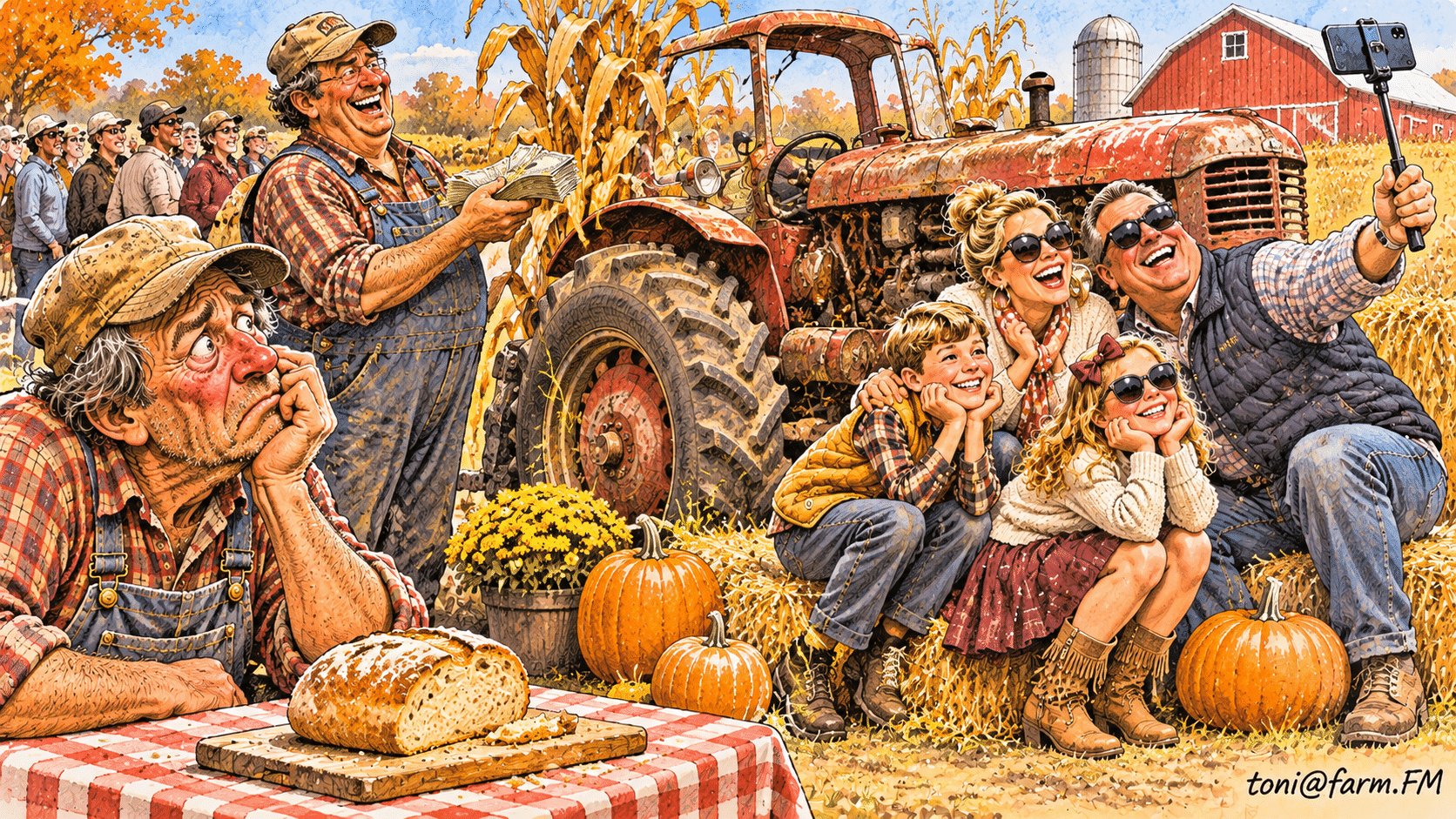
What is the land grant promise?
The land grant system was set up to teach agriculture, fund research and carry results to people who farm. The extension service is the outreach arm, with county offices staffed by educators who answer questions and run field days. In Oklahoma that work runs through OSU Extension, and in other states through similar services.
The promise is simple: research that helps a producer make a better decision should reach that producer in a form they can use. The gap is whatever stands in the way of that.
Where does the pipeline break?
Several things go wrong. Research is often published in journals written for other researchers. Trials run on a station may not match a producer's soil, rainfall or scale. Findings arrive years after the problem began. Budgets for extension staff and field trials can tighten, leaving fewer people to carry the message.
Producers also contribute to the gap when they do not take the call, skip the field day or assume the answer will be impractical. A gap has two sides. Fair critics say so.
- Journal articles written for peers, not producers
- Trials on research stations that differ from working farms
- Long delays between question and answer
- Thin extension staffing in some counties
- Producers who do not know what is available
What do critics argue is wrong?
Critics argue that research agendas follow grant money and industry priorities more than the needs of a mid-sized grower in the Panhandle. They say practical questions, like whether a cheaper method works well enough, get less attention than technology that can be patented or sold.
Defenders respond that basic research has to come before practical applications, that funding rules shape what gets studied, and that extension educators work hard under real limits. The truth is probably a mix, and the National Agricultural Library and USDA NASS data can help you see what is actually being studied and measured.
How does this look in Oklahoma?
Oklahoma's mix of wheat, cattle, row crops and specialty production means one set of recommendations will not fit everyone. A grower near Enid managing wheat on rolling ground has different questions from a producer on irrigated land in the Panhandle. County educators and specialists often know which studies apply to your area.
The Oklahoma Department of Agriculture, Food and Forestry also shares information on programs and testing. If you are not sure where to ask, call your county extension office and describe the problem plainly.
How can a producer pull research into the field?
Ask for the plain-language summary, the local trial data or the extension fact sheet. Show up to field days and ask what would need to change for the result to hold on your farm. Run a small test strip yourself and keep notes, because on-farm trials can fill gaps no study covers.
The ways growers organize their calendars and decisions are discussed at this crop calendar guide, and the economics of testing something new are covered at a farm finance guide. Check results across more than one source before betting the farm on any single finding.
What would close the gap?
Ideas include more on-farm research partnerships, faster summaries of new findings, stronger funding for extension and more producer voice in setting research priorities. Some of these already happen. Farm groups like the Oklahoma Farm Bureau and national groups such as the American Farm Bureau Federation often press for them.
Others argue the answer is less government role and more private advising. Reasonable people disagree, and the best test is what actually reaches a field and changes a result.
What is worth doing this season?
Pick one question that costs you money, ask your county educator who has studied it, and read what they send. Then tell them whether it helped. That feedback is one of the few ways the pipeline improves.
Over at farm.FM the farming section often runs stories about farmers testing ideas, and a farm.FM story on extension and research fits this one. For a little relief when the field trial goes sideways, the satire page has you covered.
Sources and further reading
- OSU Extension: Oklahoma State extension
- National Agricultural Library: agricultural research library
- USDA NASS: agricultural statistics and surveys
- Oklahoma Dept. of Agriculture, Food and Forestry: state agriculture agency
- Oklahoma Farm Bureau: state farm organization
- American Farm Bureau Federation: national farm organization
Ask locally: Call your county OSU Extension office and ask which studies apply to your soil, crop and rainfall.
Related articles
- The 2026 Farmer’s Manifesto: What We Actually Need (and It’s Not Another Press Release)
- From “Trump Country” to Political Drift: The Growing Rural Disconnect
- A “Five-Alarm Fire” in Rural America: The Farm Crisis Nobody in Washington Wants to Name
- Farm Debt Is Growing Faster Than Assets—Here’s What That Means for the Heartland