Land, Water and Rural Services
A “Five-Alarm Fire” in Rural America: The Farm Crisis Nobody in Washington Wants to Name
The phrase five-alarm fire is a vivid claim. Here is how to test it against the data and how both sides make their case.
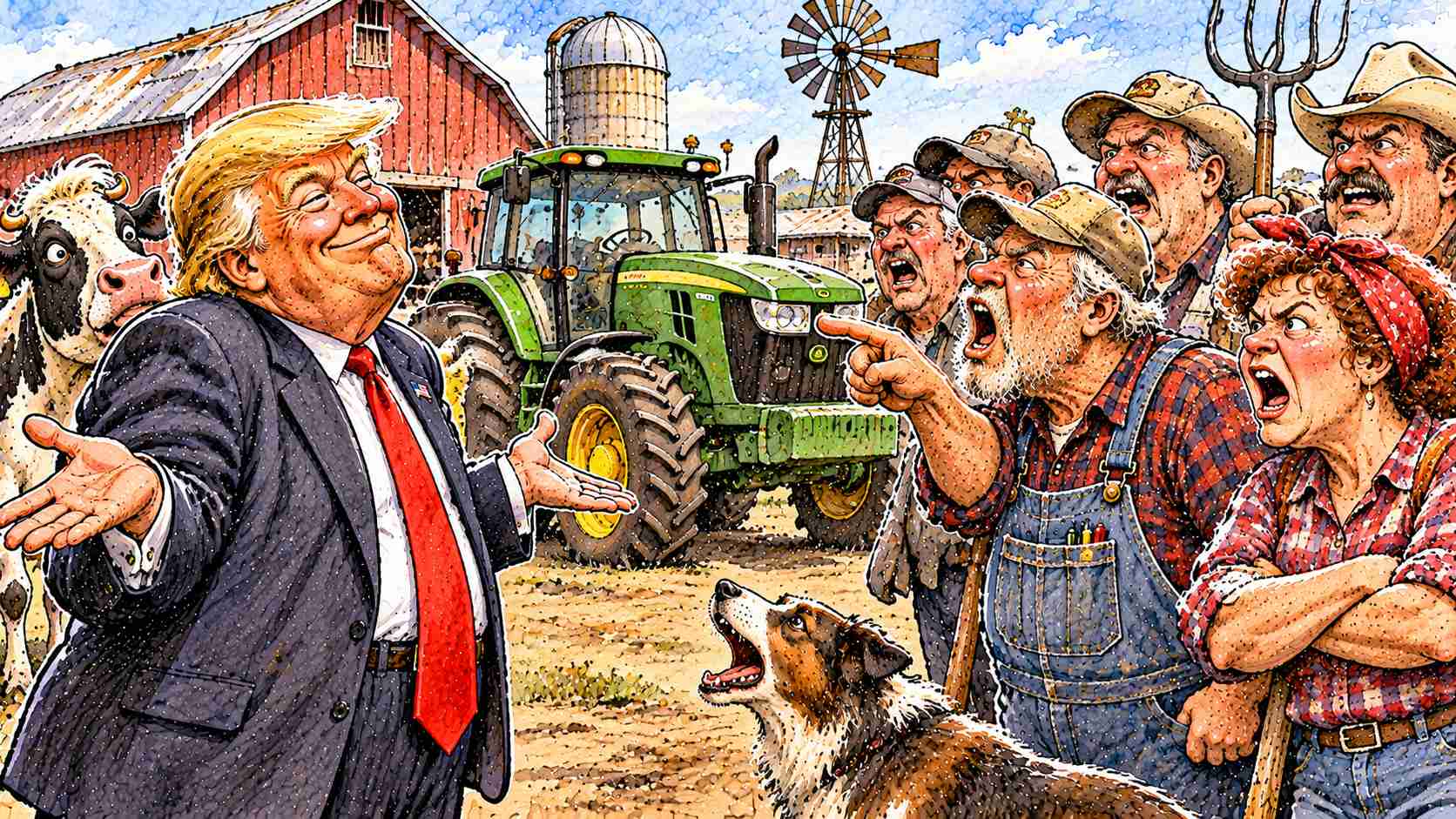
What is the claim?
The headline quotes a dramatic description of the state of the farm economy and says no one in Washington will name it. A quote like that is an opinion, and the facts behind it should be checked at the official sources before anyone treats it as settled.
Supporters of the claim argue that high costs, heavy debt, uncertain trade and thin margins are converging, and that the response has been too small or too slow. They want policymakers to say plainly that the situation is serious.
Words like these are meant to get attention, and they work. They also invite pushback, which is healthy, because a claim that survives scrutiny is a better basis for policy than one that has never been tested.
What does the evidence show?
Start with farm income and balance sheets. The USDA Economic Research Service publishes forecasts of net farm income and debt, and the National Agricultural Statistics Service reports prices and acreage. The Census of Agriculture shows how the number and size of farms have changed.
For credit conditions, the Kansas City Fed survey of agricultural lenders reflects loan demand, repayment and land values in the region that includes Oklahoma. Look at the trend over several years, not just the latest quarter.
Pay attention to what is being measured. Net farm income can look strong while a specific region suffers, and the opposite can be true too. National averages blend wheat, corn, cattle, dairy and specialty crops, and no single farm looks like the average. Ask whether a number describes your type of operation.
What do skeptics say?
Critics of the crisis label respond that aggregate numbers still show strong balance sheets in many regions, that some commodities are doing better than others and that crisis language can cause panic or invite policies that favor the largest operations.
They also note that farming has always been cyclical, and that high costs and low prices come and go. They do not deny that individual families are hurting, but they argue for targeted help over broad alarm.
There is also a fair question about timing. A claim made during a hard season may look different after a recovery, and one made after a strong year may look different in a downturn. Looking across several years protects against overreacting either way, and it keeps the debate grounded in data rather than mood.
- Which commodities and regions are under the most pressure?
- Are the problems cyclical or lasting?
- Who benefits from a given policy response?
How does it look from northwest Oklahoma?
The picture here depends on what you grow. Wheat producers watch price, yield and input costs. Cattle producers watch feed, forage and the cycle. Weather adds its own risk, and the U.S. Drought Monitor is a weekly check on conditions.
In many communities, farm stress shows up in the quiet places first: fewer machinery sales, tighter lending, fewer young people taking over. The Oklahoma Department of Agriculture, Food and Forestry and Oklahoma Farm Bureau track conditions for the state.
Younger and beginning farmers face an additional hurdle: land and equipment costs make it hard to start. FSA farm loan programs include options aimed at newer producers, and it is worth asking about current terms with your local office.
Why does naming the problem matter?
Supporters say naming a crisis opens the door to emergency measures, and that denial delays help. Skeptics say alarm can distort decisions and that careful analysis should come first. Either way, the first step is agreeing on facts.
Government watchdogs and budget offices help with that. The GAO reviews how programs work, and the Congressional Budget Office scores costs. Reading their reports gives you a neutral baseline for the argument.
It is also worth looking at who gets heard. Large commodity groups, small family operations and rural community advocates do not always want the same thing, and a policy that helps one group can leave another out. Asking who benefits is a fair habit regardless of where you land.
What can you do now?
Whatever you think of the label, take stock of your own farm. Update your balance sheet, test your cash flow against lower prices and talk to your lender early. The farm money guide and rural farm resource site have simple tools.
For more, farm.FM covers the economics at its agribusiness desk and the lighter side at the satire desk, and a farm.FM take on the rural farm crisis is a good place to start. Check every figure at its original source.
Reading the primary reports is time well spent. Two evenings with ERS tables and a cup of coffee will teach you more about the farm economy than a week of commentary.
Sources and further reading
- USDA Economic Research Service: farm economy data and analysis
- USDA NASS: agricultural statistics and surveys
- Census of Agriculture: USDA census of farms
- Kansas City Fed Agriculture: farm credit and land value surveys
- U.S. Drought Monitor: weekly drought maps
- GAO: government watchdog reports
Ask locally: Ask an OSU Extension economist, your lender or your Oklahoma Farm Bureau county office for local numbers.