Why the “Farmer Safety Net” Feels More Like a Tightrope
A safety net is supposed to catch you. Farmers say theirs feels more like a tightrope: narrow, wobbly and easy to fall off. Here is how the pieces fit and where the gaps are.
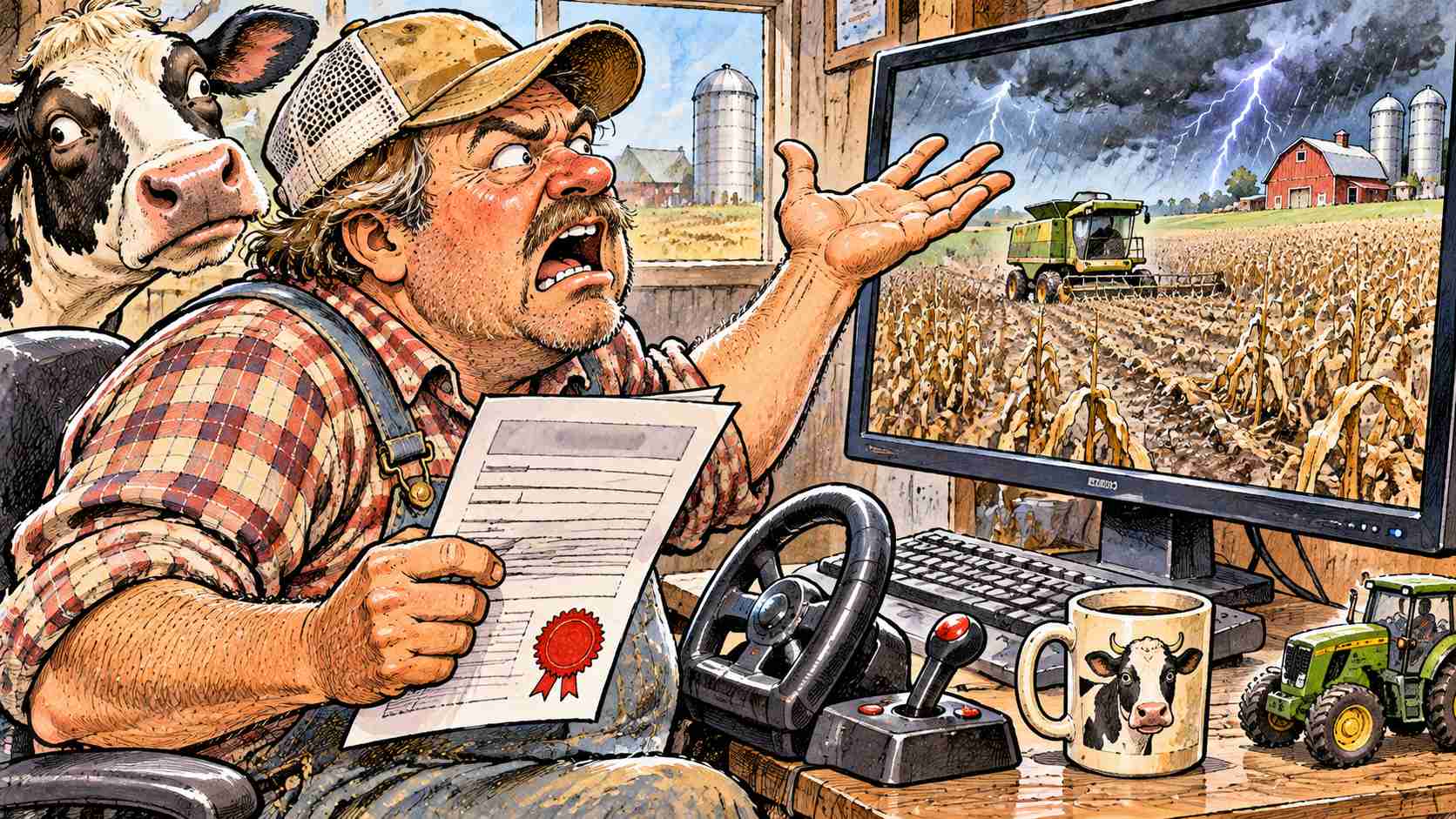
What is in the farm safety net?
The federal safety net is a bundle of programs rather than one thing. Crop insurance through the Risk Management Agency, commodity programs such as ARC and PLC, livestock and disaster programs and loan programs through the Farm Service Agency are the main parts. Conservation payments and ad hoc aid fill in around the edges.
Each piece has its own rules, deadlines and payment triggers, set largely by farm bill law. Details change with each bill, so always read the current program pages on Farmers.gov.
For farmers around Enid, the mix that applies depends on what you grow, where, and how you are set up, which is part of the problem.
A hypothetical example: a wheat farmer buys crop insurance, signs up for a commodity program and has a livestock enterprise with its own rules. Three programs, three calendars, three sets of paperwork, and one farm.
Why does it feel like a tightrope?
Several reasons come up again and again. Enrollment deadlines are strict, and a missed date can mean no coverage for the year. Payment triggers can miss losses that hurt a given farm, because they are based on averages or on specific events. Paperwork and record requirements are heavy. And aid often arrives after the bills are due.
Add the fact that no single program covers everything: weather loss, price drops, input costs and market access sit under different tools. A farmer has to stitch them together, and a gap in one place can mean a hard fall.
Even the vocabulary is a hurdle. Terms such as base acres, yield history, coverage level and trigger price mean specific things, and a misunderstanding can cost a payment. Ask your agent or county office to explain terms in plain words.
Who benefits, and who falls through?
Large, well-advised operations tend to navigate complex programs better. Smaller or newer farms may lack time or help to sort through options. Specialty crops, young livestock enterprises and diversified farms sometimes fit awkwardly, with fewer tools tailored to them.
Supporters of the current system point out that programs cover a wide range of producers and that insurance is widely used. Critics respond that benefits skew toward larger farms and the commodities with long-standing programs. Data from USDA Economic Research Service and the Congressional Budget Office bear on both claims.
Check the sources and form your own view.
Beginning farmers and those who rent ground often have the least history to draw on, which can reduce coverage and payments. Ask what options exist for a new operation.
What do defenders of the system say?
Defenders argue that the safety net is substantial by world standards, that it reflects choices made by Congress after years of hearings and that a farmer who understands the tools can use them well. They also note that markets, not programs, ought to deliver profit.
Critics counter that complexity is itself a barrier and that a net with holes is not much of a net. This disagreement is real, and the facts about who is helped and how much are disputed. The GAO reviews programs and offers independent assessments.
How can a farm walk the line more safely?
Calendar every deadline, starting with crop insurance sales closing dates and FSA enrollment. Sit down each winter with your insurance agent and your FSA office and ask which tools fit your operation. Keep production, acreage and financial records ready. Share the plan with your lender.
OSU Extension offers decision aids and workshops, farmdoc daily analyzes program choices, and the farm money guide and crop guide on our sister network cover planning basics.
Neighbors are a resource too. A farmer who has already worked through a claim or sign-up often knows what the forms really require, and sharing that knowledge helps everyone stay on the rope.
Where does that leave the conversation?
The farm bill is revisited regularly, and farmers have a say. Read proposals at Congress.gov, tell your representatives what the gaps cost you and compare notes with neighbors. At farm.FM, you can follow farm news and agribusiness, and a farm.FM story on the farm safety net gives more on the theme.
This is education, not financial advice. Confirm current rules with the official agency before relying on any program.
Sources and further reading
- USDA Risk Management Agency: crop insurance
- ARC and PLC: FSA commodity safety-net programs
- USDA Farm Service Agency: FSA farm programs and loans
- Farmers.gov: USDA one-stop site for producers
- USDA Economic Research Service: farm economy data and analysis
- Congressional Budget Office: cost estimates for federal programs
Ask locally: Ask your county FSA office, your crop insurance agent, or an OSU Extension farm management specialist.