The Political Apathy Spreading Across the Corn Belt
Farm country has a reputation for showing up, so a growing shrug is worth a look. Here is why some farm families tune out, and what the arguments are on each side.
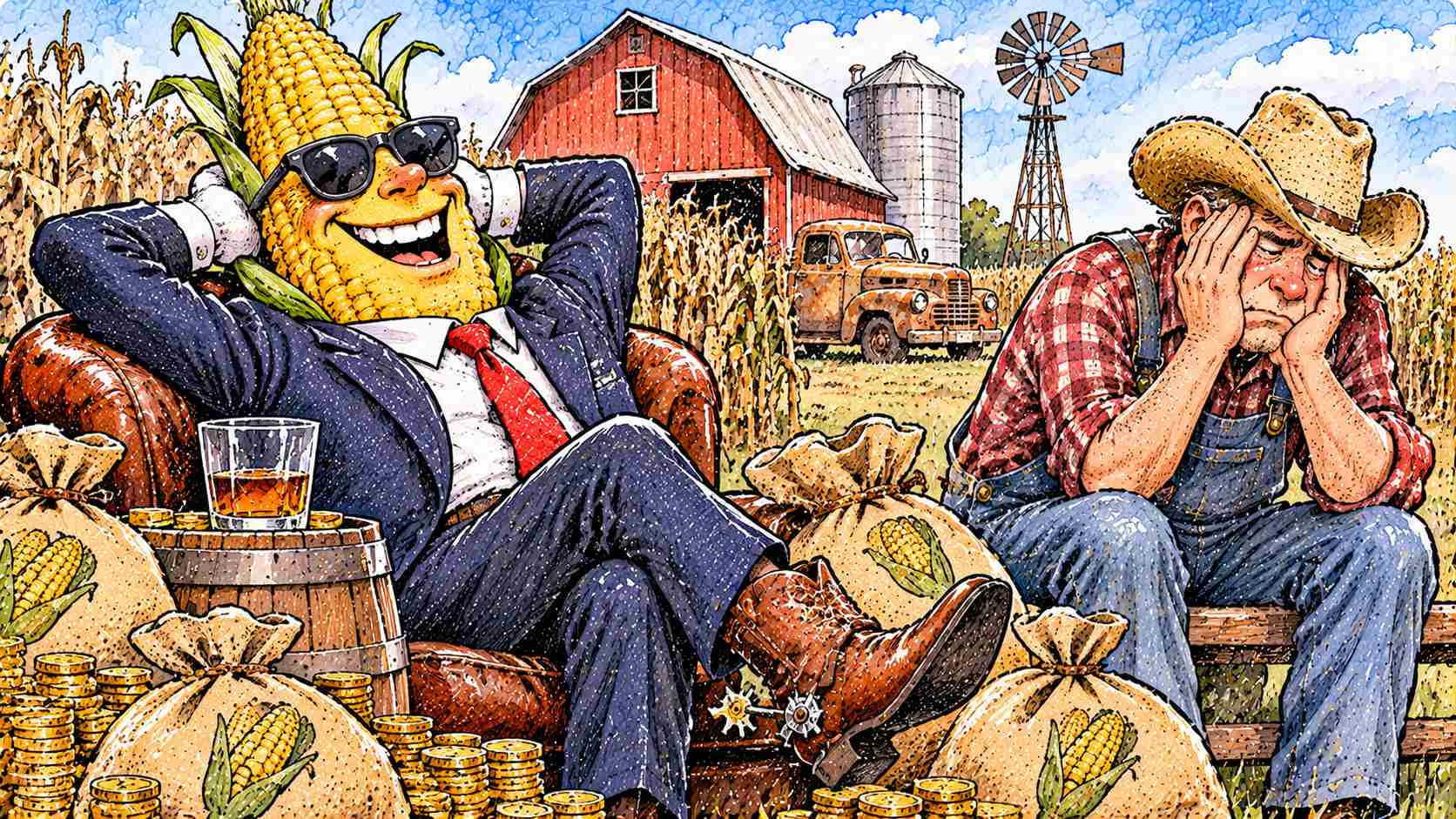
What does apathy look like in farm country?
It sounds like quiet at the co-op where there used to be arguments, or a farmer saying nothing changes either way. The headline says apathy is spreading across the Corn Belt. We cannot verify a survey of every county, so treat it as a description of a mood that many report rather than a measured fact.
This site is in Enid, Oklahoma, well west of the Corn Belt, and the mood can differ by region. Wheat and cattle country has its own frustrations.
Farm country is not one place. A soybean farmer in Iowa and a wheat grower near Enid may feel the same frustration for different reasons, and the label of apathy hides those differences.
Why might people tune out?
Reasons farmers give include distrust of institutions, a feeling that rural voices are outnumbered, fatigue with promises that fade and the sheer time demands of running a farm. Paperwork and bad news can make politics feel like another chore.
When prices and costs are the big worry, a vote can feel far from the problem. People vote for different reasons, and none of the reasons are stupid.
Some people also say they pay close attention but have lost faith that anyone will act. That is not apathy exactly, and it deserves a different response.
What do those who worry about apathy argue?
Supporters of more engagement argue that decisions on farm policy, trade, credit and rural services are made by those who show up, and that silence cedes ground. They say farm programs, crop insurance and rural investments all depend on lawmakers hearing from producers.
Groups such as the American Farm Bureau Federation and National Farmers Union encourage members to engage, each from its own perspective.
They also argue that rural communities punch above their weight when they are organized, because agriculture touches so many other industries.
What do critics of that view say?
Critics respond that disengagement can be a rational reaction to feeling ignored, and that telling people to participate more does not fix the reasons they stepped back. They say trust has to be earned by results, not by scolding.
Others note that civic engagement does not require partisan activity. Local boards, extension councils and co-op meetings shape rural life as much as national politics. The most useful engagement is often the least dramatic, such as showing up and asking one good question.
Researchers debate how to measure engagement, and turnout figures tell only a part of the story. Read the methods before accepting a headline claim.
- Local boards and school districts
- County extension councils
- Co-op and cattlemen meetings
- Water and conservation districts
How can a farmer stay informed without burning out?
Pick a few reliable sources and check them on a schedule. Track bills at Congress.gov and read committee updates from the House and Senate agriculture committees. Use official sources for facts and compare opinion pieces, including this one.
You can follow only the issues that touch your farm, such as crop insurance, credit or trade. A short monthly check beats a daily scroll.
If you want to dig deeper, USDA ERS explains the programs and data behind many farm policy debates, and a farm money guide shows how policy ties back to your budget.
What can you do locally?
Attend a county meeting, join a farm organization, talk with your state agency such as ODAFF or call your extension office. Ask questions. Offer to share your costs and numbers where it helps.
The rural farm guide lists local resources. This article does not endorse any candidate or party, and we do not tell anyone how to vote. Pass along reliable information to a neighbor who is too busy to track it, and ask them to do the same for you.
None of this is a call to vote one way or another. It is a call to know what is going on before you decide how much of your limited time to spend.
Where can you read more?
For commentary, see farm.FM news and satire, and a farm.FM story about farmers tuning out.
Whatever you decide, check facts before repeating them. Opinion pieces are meant to start a conversation, and the best ones leave you with questions to ask someone else.
Sources and further reading
- American Farm Bureau Federation: national farm organization
- National Farmers Union: national farm organization
- Congress.gov: bills and legislative status
- House Agriculture Committee: farm bill and ag policy in the House
- Senate Agriculture Committee: farm bill and ag policy in the Senate
- Oklahoma Dept. of Agriculture, Food and Forestry: state agriculture agency
Ask locally: Ask your county extension office or a local farm organization about public meetings and how to follow policy. No voting advice is offered here.