Why the Farm Bill’s “Reference Price” Fix Is Only a Band-Aid
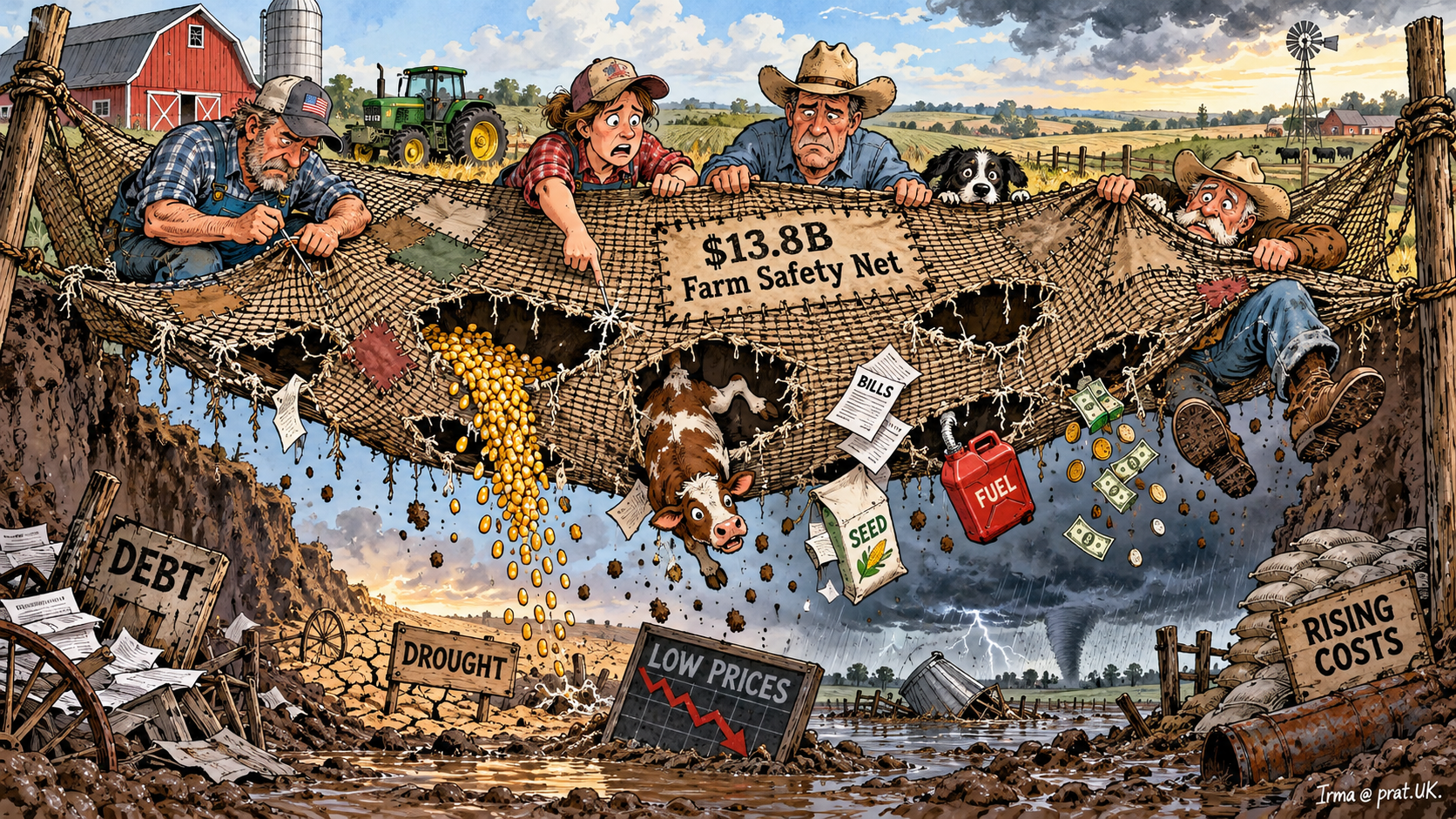
Reference prices sit at the center of the farm bill fight, and the title of this piece takes a side. Here is how they work, the case for fixing them, and the arguments against the fix.
What is a reference price?
In commodity programs such as PLC, a reference price is a trigger. When the market price for a covered crop falls below it, payments may flow to farmers on covered base acres. Details of ARC and PLC are explained at the FSA program page, and specific numbers should be checked there.
Because the trigger is written into law, it does not move with every change in costs. That is why debates about updating reference prices come up each time Congress writes or extends a farm bill.
What is the case for raising them?
Supporters argue that costs for seed, fertilizer, fuel and land have climbed faster than the old triggers, so payments arrive too late or too small. A higher reference price, they say, restores a safety net that matches today's cost of growing a crop. Groups such as the American Farm Bureau Federation and National Farmers Union have each pushed for updates in various forms.
For wheat growers around Enid and across Oklahoma, the argument is easy to understand. If a loan payment is due and the trigger sits below break-even, the safety net does not catch much.
Why do critics call it a band-aid?
Critics respond that raising a reference price treats symptoms. It sends more money when prices drop but does nothing about what causes squeezed margins, such as input costs, consolidation in suppliers and buyers, and trade disruptions. They argue that a bigger check is useful but not a plan.
Some also worry that stronger price supports can get capitalized into land rents and prices, so the benefit slips away to landowners over time. Economists at places like farmdoc daily have discussed this in various ways, and it is worth reading their analysis directly rather than taking either side's word.
What do other critics say about cost and fairness?
Budget watchers point to the price tag. The Congressional Budget Office scores farm bill spending, and its estimates frame how large a change Congress can afford. Others argue support is too concentrated among larger operations, a concern that appears in reports from the GAO and ERS.
Those are disputed points, and the facts vary by crop, region and year. Read the actual scoring and data before accepting a talking point from any side.
- Cost to taxpayers depends on market prices, which are uncertain
- Distribution between small and large operations is debated
- Land rent effects are argued by economists on both sides
What should a farmer do while Congress argues?
Plan with the rules you have, not the ones you hope for. Check ARC and PLC enrollment deadlines at your county FSA office, and use Congress.gov to track bill status. Do not budget on payments that are not law yet.
Good risk tools do not depend on Washington. The farm money basics guide covers budgeting, and this crop planning guide helps with the field side.
How have farm bills changed over time, and why does that matter?
Farm bills are renewed or extended every few years, and each one rewrites some program details. The safety net has shifted between direct payments, price triggers and revenue programs, and each shift had its supporters and critics. History suggests that no single design pleases everyone, because the right design depends on whether prices are high or low at the time.
That is why timing matters in the reference price argument. Raising a trigger helps most in the years when prices fall, and costs the least when markets are strong. Supporters see it as insurance. Skeptics see it as a promise that is hard to take back once it is made.
For up-to-date legislative language, read the bill text and the committee materials yourself rather than relying on a summary. Committee pages for House and Senate agriculture offer hearings and reports, and they are worth a look before you form a firm opinion.
Where can you keep reading?
Our take is opinion, so compare it with others. At farm.FM, the news section and agribusiness stories cover farm policy with a looser tie. For something specific, see a farm.FM story on reference prices.
The strongest case against any fix, including ours, is that the right answer depends on your crop, your costs and your county. Test every claim against your own numbers.
Sources and further reading
- ARC and PLC: FSA commodity safety-net programs
- American Farm Bureau Federation: national farm organization
- National Farmers Union: national farm organization
- Congressional Budget Office: cost estimates for federal programs
- farmdoc daily: University of Illinois farm economics
- Congress.gov: bills and legislative status
Ask locally: Ask your county FSA office about current ARC and PLC rules, and an OSU Extension economist for context on how reference prices affect your crop.