A Farmer’s Open Letter to Washington: Stop Using Us as Leverage
To farmers, it can feel like agriculture is the first place a fight gets settled and the last place anyone checks the damage. This is the case behind the open letter, and the other side of it.
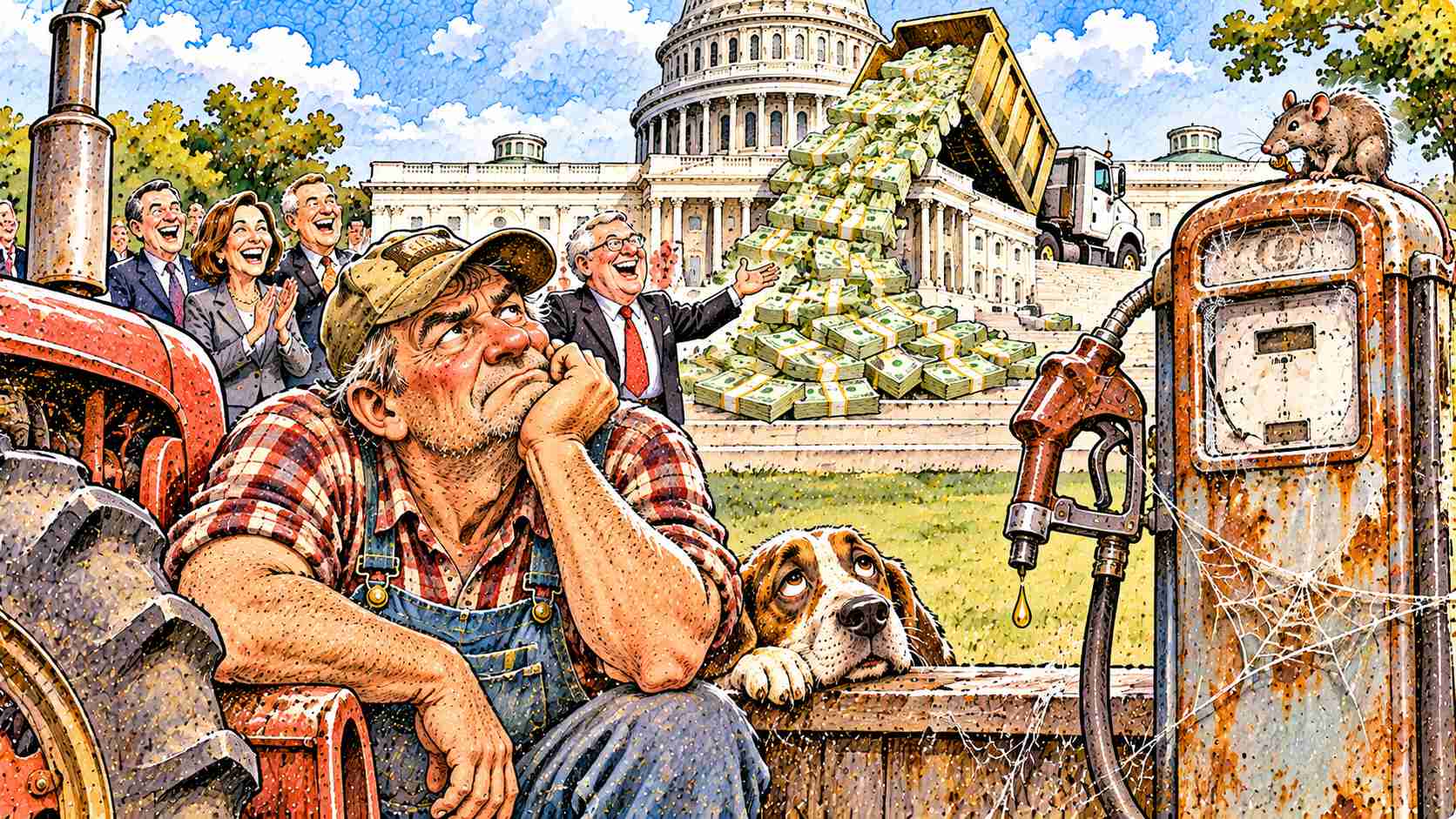
What does it mean to be used as a bargaining chip?
In trade and political disputes, agricultural products are often among the first targets because they are visible, exported and politically sensitive. A country that wants to pressure another can raise tariffs on soybeans, beef or wheat and cause pain quickly. Farmers become pieces on a board they did not set up.
That is the letter's central complaint. Producers around Enid grow commodities that travel far from home, and when an international fight starts, price signals shift at the elevator long before a negotiator calls.
The official trade record is public. The U.S. Trade Representative posts trade actions and agreements, and USDA Foreign Agricultural Service publishes export data.
Farmers also point to the long memory of lost markets. A customer who finds a new supplier may build a long-term relationship there, and the farmer who lost the sale cannot simply win it back after a deal is signed.
How does the cost reach the farm?
When an export market restricts imports, buyers shift to other suppliers, demand falls and local prices soften. Stored crops lose value, contract terms change, and a farmer who invested for a certain market finds it closed. Trade customers can take years to return, if they do.
The U.S. International Trade Commission provides tariff and trade data, and USDA ERS analyzes how trade and income interact. Look at both before accepting a headline total.
What does the other side argue?
Supporters of using trade pressure say that long-term goals, like fairer market access or protection of domestic industry, sometimes require short-term costs, and that farmers also benefit when agreements open markets. They note that no group is immune from the effects of national policy.
Critics of the open letter's framing say that agriculture has also gained from trade deals, that aid has been provided to offset losses and that farmers hold diverse views, with some backing the tough approach. Whether the gains outweigh the costs is disputed, and the answer varies by commodity and year.
Read analyses from both farm groups and independent economists. The American Farm Bureau Federation and National Farmers Union publish positions, and they do not always agree.
What would farmers want instead?
Common requests include predictability, advance notice of trade actions, strong support for market development and aid that is fast and fair if damage happens. Many farmers say they would rather sell their crops than collect payments.
The International Trade Administration offers export help to U.S. businesses, and Congress.gov lets you see which bills address trade. Write to your representatives with specific costs from your operation.
Farmers do not agree among themselves, and that is part of the difficulty. A grower who sells to a domestic mill may see trade differently than one who ships overseas. A fair reading of the letter acknowledges that diversity.
How can a farm protect itself in the meantime?
Diversify buyers where possible, use marketing tools like forward contracts and crop insurance and keep a close eye on your cost of production. Talk with your lender about how a market shock would affect repayment, and build a reserve in good years.
The crop guide and farm money guide on our sister sites cover marketing and budgeting basics, and OSU Extension publishes market outlooks.
If you are writing your own letter, keep it short: say who you are, what you grow, what a specific action cost you and what you want your representative to do. Concrete beats loud.
What is the takeaway?
The letter is a plea for stability, from people who bear the risk and rarely set the policy. Whether you agree with the remedy, the facts are worth knowing. farm.FM covers the topic in news and agribusiness, and a farm.FM story on farmers and trade pressure is a fitting follow-up.
This is not advice on how to vote. Check every figure at the official source and make up your own mind.
Keep an eye on state-level actions too. The Oklahoma Department of Agriculture, Food and Forestry promotes Oklahoma products and can tell you about state export assistance.
Sources and further reading
- USTR: U.S. Trade Representative
- USDA Foreign Agricultural Service: export markets and trade data
- U.S. International Trade Commission: tariff and trade data
- USDA Economic Research Service: farm economy data and analysis
- American Farm Bureau Federation: national farm organization
- National Farmers Union: national farm organization
Ask locally: Ask your grain elevator or sale barn, an OSU Extension marketing specialist, or your farm organization.