Why the 2026 Midterm Promises Feel Like Too Little, Too Late
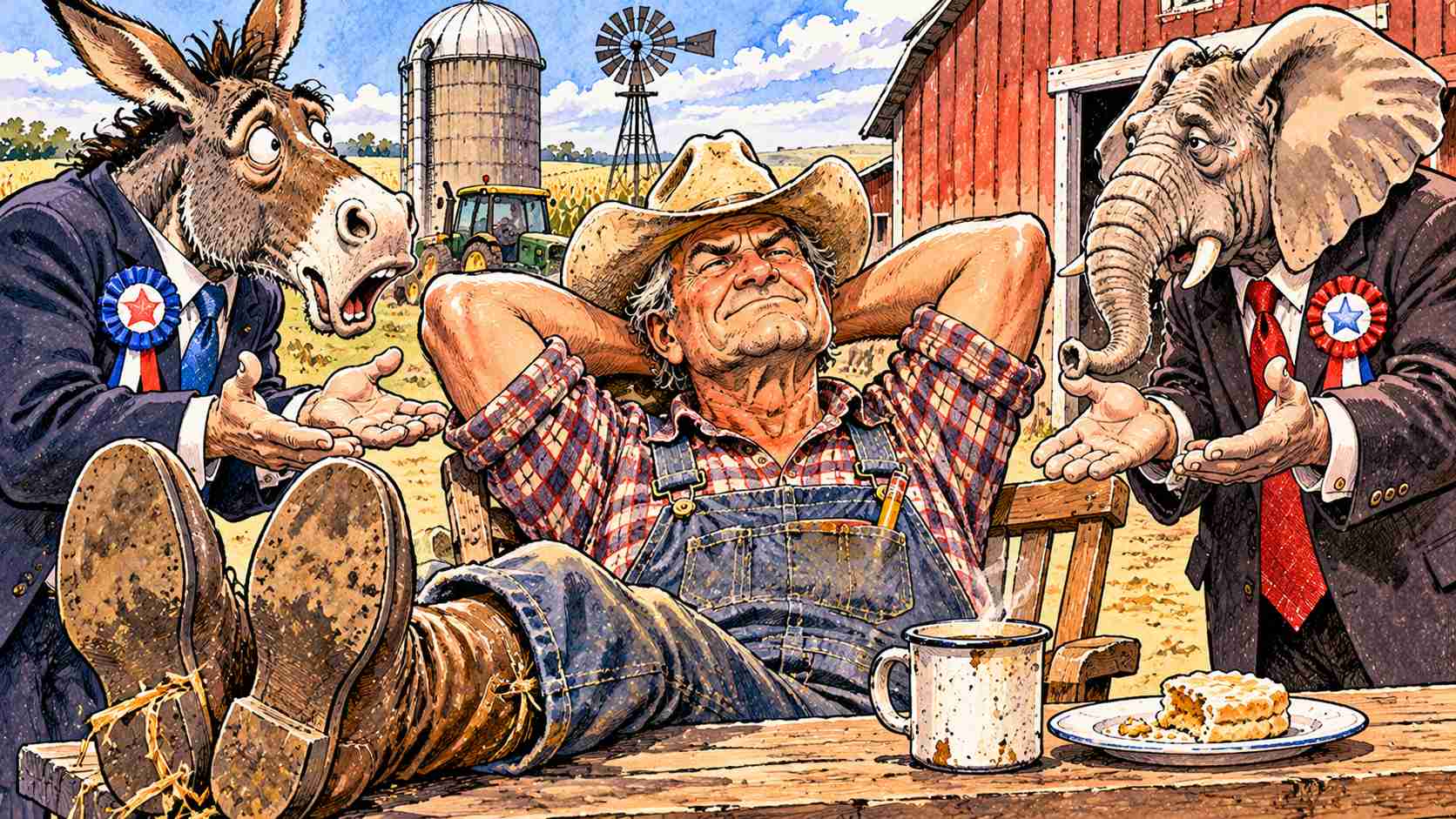
Campaign promises to farmers come in every election year. Here is a way to judge any of them on the merits, without telling you who to support.
What is the complaint behind the headline?
The headline reflects a sentiment that promises made in an election season arrive after farm families have already absorbed a hard stretch. This article does not endorse any party or candidate and offers no election advice. It offers a method for judging promises on substance.
Supporters of the complaint say producers need action now, not announcements, and that timing matters as much as content. A payment that comes after a loan is due does less good than one that comes before.
There is also a gap in how people measure the lateness. For some it is the months since a crisis began, for others the years since a program expired. Naming the starting point helps people argue about the same thing.
How can you judge a promise?
Ask five questions. What exactly is being promised? Who is eligible? How is it funded? When would it start? What does it need from Congress or an agency to happen? A promise without answers is a slogan, not a plan.
Use neutral sources. The Congress.gov site shows whether a bill exists, the Congressional Budget Office estimates costs, and the USDA announces program rules once they are real.
Look for numbers and dates. A promise with a dollar figure, a start date and a named agency is easier to check than one with big words and no details. Save the page or the clip, and look at it again later to see what became of it.
- What exactly is promised, and for whom?
- How is it paid for?
- When would it start?
- Does it need a vote or only an agency action?
What do defenders of the promises say?
Defenders argue that proposals made in campaign season often reflect real concerns, that elections are one way producers get attention and that even a late promise can lead to action. They note that policy rarely moves without political pressure.
They also say that fast help is not always possible, because laws and budgets take time. Promises that point toward lasting reform may be worth more than quick cash.
Some defenders add that farm families are better off when both parties compete for their attention, because competition produces more proposals. Whether that is true is debatable, but it is worth hearing out.
What do skeptics say?
Skeptics respond that promises are cheap, that follow-through is what counts and that producers have heard similar pledges before. They point out that timing near an election can raise doubts about motive, whichever party is making the pledge.
A fair skeptic also grants that some promises are kept. Checking the record of what was promised and what happened, using official sources, is better than assuming either outcome.
A related question is whether the promise lasts. A one-time payment and a rule change are very different things, and a producer's planning depends on which one is being offered. Ask about duration before getting excited or discouraged.
What does this mean for Enid and northwest Oklahoma farm families?
Producers here make decisions on the calendar of seed, fertilizer, cattle and loans, not the political calendar. The practical response is to plan around programs that exist today, such as ARC and PLC and crop insurance through USDA RMA, and treat new promises as upside until they are law.
The Oklahoma Farm Bureau and National Farmers Union track proposals and publish their positions, and you can ask your county office what is in motion.
If you need to plan around a pending proposal, ask your lender how they would treat it. Most will not count money that has not been approved, so keep a version of your budget that works without it.
How to stay informed without getting played
Keep a short list of questions, read primary sources and give any claim a day before you react. Talk with neighbors who disagree with you. Disagreement is healthy and often useful.
On farm.FM, the farm news and satire desk and farm satire have fun with campaign season, and a farm.FM story on midterm promises to farmers is a good read. The farm money guide helps you plan around uncertain programs.
Whatever your view, remember that your voice is stronger when it is specific. A short note describing what a program would mean on your own acres says more than a slogan, and the small farm information site has ideas for writing it up.
Sources and further reading
- Congress.gov: bills and legislative status
- Congressional Budget Office: cost estimates for federal programs
- USDA: U.S. Department of Agriculture
- ARC and PLC: FSA commodity safety-net programs
- USDA Risk Management Agency: crop insurance
- Oklahoma Farm Bureau: state farm organization
Ask locally: Ask your county FSA office, Farm Bureau county office or lender how any new program might fit your plan.