The Hidden Fees and Fine Print of USDA Guaranteed Loans
A guaranteed loan sounds like a safe handshake, but the paperwork behind it has more moving parts than the pitch lets on. Here is how to read the fee schedule before you sign, from a farm country desk in Enid.
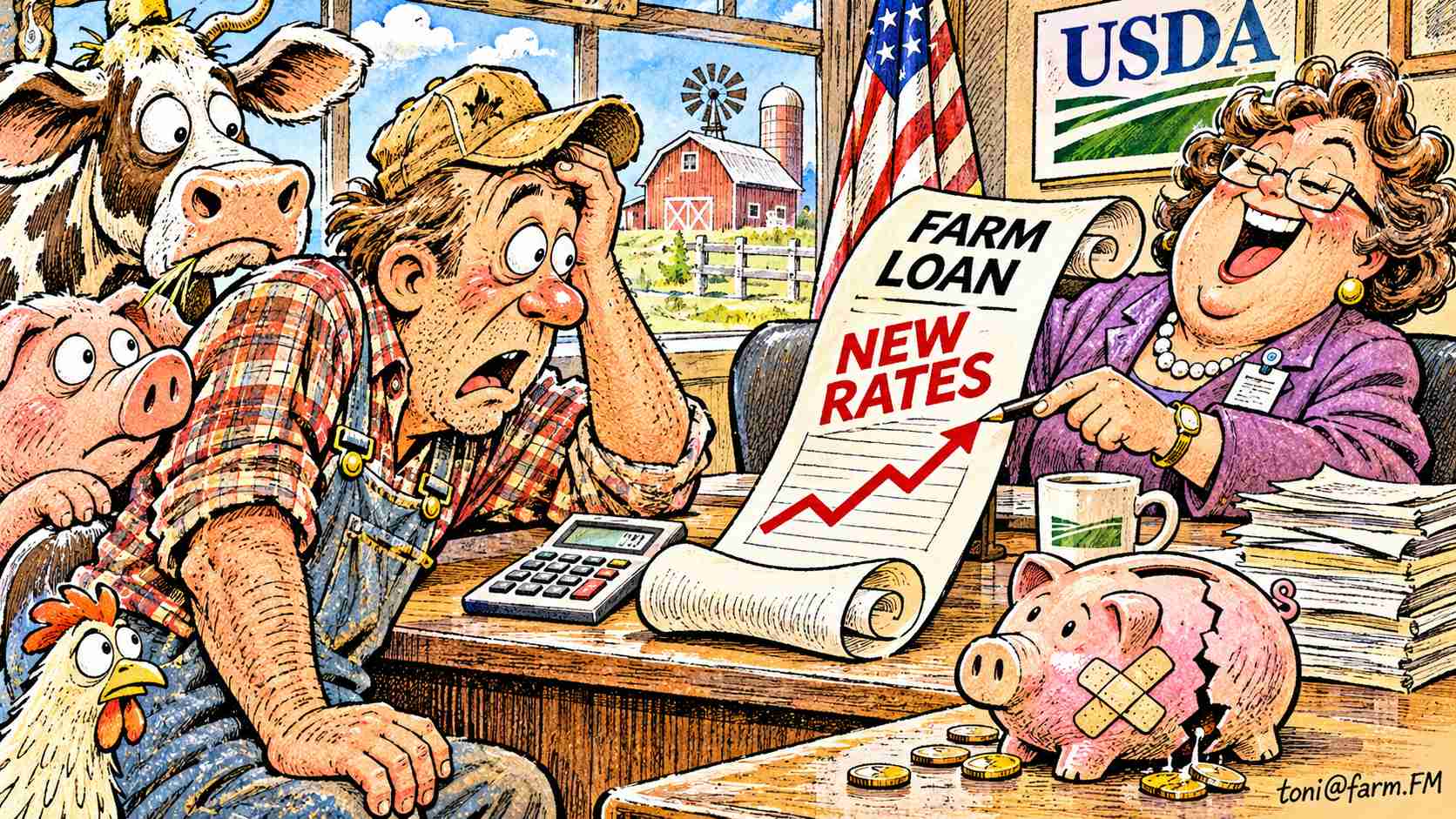
What does a USDA guaranteed loan actually mean?
With a guaranteed loan, a commercial lender makes and services the loan, and the government backs a portion of it if things go wrong. The guarantee protects the lender, not you. Your name is still on the note, and the lender still decides whether you qualify and what you pay. The program basics live at the FSA farm loan pages.
That split matters when you read the fine print. Two parties charge for their part of the deal, and the headline interest rate rarely tells the whole cost. Terms change, so check the current rules with a local office before you build a budget around any quote.
Where do the extra costs tend to hide?
The title of this piece calls them hidden fees, and that is the editorial view. In plain terms, guaranteed loans can carry charges beyond interest. Lenders may add origination or packaging fees, appraisal and survey costs, legal and recording charges, and a fee tied to the guarantee itself. Figures differ by lender and by year, so confirm every line at the official source.
The trick is that many of these costs get folded into the closing statement, where they look small next to a six-figure principal. Folded into the balance and spread over twenty years, they are not small at all. Ask for each charge in writing, with the name of who receives it.
- Guarantee fee: ask who pays it and whether it can be financed
- Origination or loan packaging fee charged by the lender
- Appraisal, environmental and survey costs
- Attorney, title and recording charges
- Annual servicing or inspection fees, if any
How do you compare a guaranteed loan to other options?
Do not shop one lender. Put the guaranteed offer beside a conventional bank quote, a credit union if one serves farmers near you, and a Farm Credit association. Compare the total cost over the full term, not the monthly payment. A lower payment stretched over more years can cost you more.
The Farmers.gov loan tools help you see which direct and guaranteed options might fit your operation. Around Enid and across the Oklahoma Panhandle, a loan officer who knows how wheat and cattle cash flow works can often explain the fine print faster than any brochure.
What fine print should you read twice?
Look for covenants that restrict how you can borrow elsewhere or sell assets, prepayment terms, required insurance, reporting duties, and what happens if you miss a payment. Ask what the lender must do before it calls the loan, and what notice you get. These clauses decide how much room you have in a bad year.
If a clause is vague, ask for plain language and then ask again. A good lender will not mind. Your banker, your accountant and an ag attorney can each read the same page and catch different things. The consumer-side basics at the CFPB are also worth a skim, even though farm loans fall under their own rules.
What is the case for guaranteed loans, and what do critics say?
Supporters argue the guarantee lets lenders serve borrowers who would otherwise be turned away, especially beginning farmers or families with thin collateral. For many operations it is the difference between buying the land and watching a neighbor do it. That is a real benefit, and it deserves credit.
Critics respond that the extra layers add cost and paperwork, and that the borrower carries the risk while the lender is protected. Both points can be true at once. The fair test is simple: after every fee is counted, is this loan cheaper or more flexible than your next best option? If the answer is unclear, keep asking.
Where can you get a second opinion?
Start with your local FSA office and the main FSA site for program rules. Oklahoma extension specialists through OSU Extension run farm finance workshops that cover loan comparison. Farm credit counseling is often free or low cost.
The money basics at this farm money guide walk through budgets and borrowing, and a rural farm resource guide points to local help. Over at farm.FM, the agribusiness section covers the money side of farm life, the ranching desk looks at cattle credit, and a farm.FM story on loan fees is worth a read before your next banker meeting. Bring a notebook and a list of questions to each visit.
Sources and further reading
- FSA Farm Loans: FSA direct, guaranteed, microloan and emergency loan information
- Farmers.gov Loans: USDA farm loan overview and loan assistance tools
- Farm Credit: cooperative agricultural lending network
- CFPB: consumer finance protection
- OSU Extension: Oklahoma State extension
- USDA Farm Service Agency: FSA farm programs and loans
Ask locally: Ask your local FSA office, a Farm Credit loan officer or an Oklahoma ag attorney to walk through any loan document with you before you sign. This is general education, not financial or legal advice.