The Cost of Compliance: How Regulations Are Squeezing Small Producers
Every rule has a reason, and every rule has a price. For small producers in Oklahoma the price is often measured less in dollars than in evenings spent with forms, which is time a one-family operation does not have to spare.
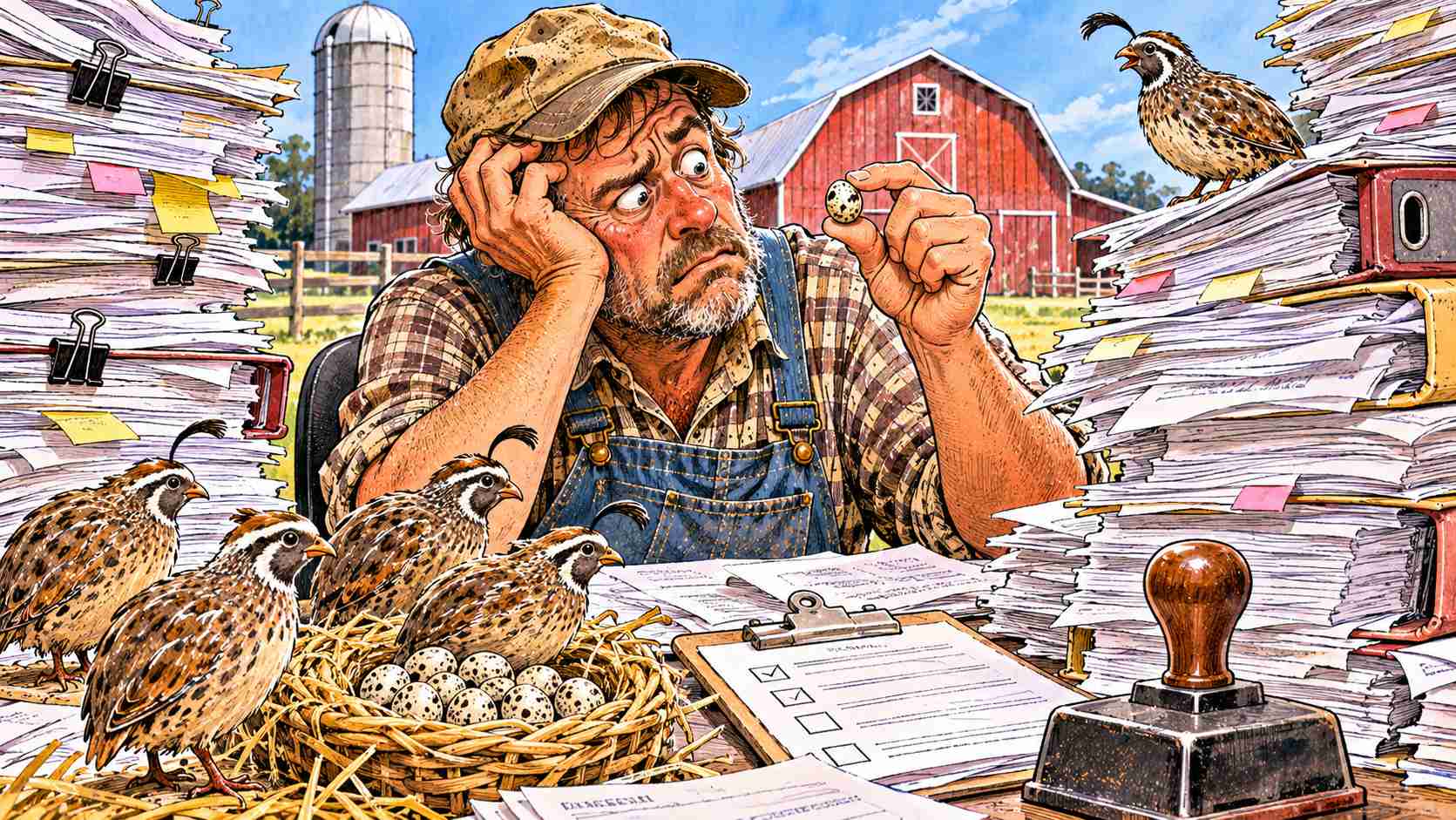
Why do rules hit small producers harder than big ones?
A large operation can hire a compliance manager, a lawyer or a consultant and spread the cost across thousands of acres or head. A small operation spreads the same permit, record-keeping requirement or inspection over very little output. That is the core of the complaint: the fixed cost of following a rule does not shrink just because the farm is small.
Supporters of lighter treatment for small farms argue that a rule written with a big plant in mind can become a barrier for a family trying to add a second enterprise. Many agencies already scale some requirements by size, so ask which version applies to you before assuming the worst.
What kinds of compliance cost the most time?
Producers commonly describe the burden in terms of hours rather than fees. Tax records, labor rules, pesticide and animal health documentation, water and environmental permits, and program paperwork each come with their own forms and deadlines. The IRS guidance for farmers is one example of a thick source that is worth reading once and bookmarking.
Safety and labor rules matter too. OSHA and the U.S. Department of Labor publish plain-language material for agricultural employers, and what applies depends on how many people you employ and what they do. Confirm current requirements at the agency pages instead of relying on hearsay at the coffee shop.
- Tax and payroll records
- Pesticide, fertilizer and feed documentation
- Animal movement and health paperwork
- Water, waste and environmental permits
- Program applications and annual reporting
What do supporters of strong rules say?
Supporters of firm regulation argue that rules protect the water that neighbors drink, the workers who get hurt on the job, the consumers who eat the food and the farms downstream from a disease outbreak. They note that a single bad actor can damage a whole region's reputation and market access.
Critics respond that the cost of rules falls unevenly and that agencies sometimes pile on requirements without checking how they stack up. Both claims can be true. The useful question is not whether to have rules, but whether each one earns its paperwork. Where the evidence is disputed, read the agency's own cost analysis and the comments filed by farm groups.
How does this play out in Oklahoma?
From the Panhandle to the eastern part of the state, a typical producer answers to a mix of federal, state and local requirements. The Oklahoma Department of Agriculture, Food and Forestry is the state agency to ask about licensing, inspection and animal or plant health rules, and it can tell you whether a rule you heard about actually applies to your size of operation.
The Oklahoma Farm Bureau also follows rule changes and tells members when comment periods open. Whether you agree with its positions or not, it is a quick way to learn what is coming before it lands in your mailbox.
What are the practical ways to keep compliance manageable?
Build one simple system and use it every week. A single notebook or spreadsheet for spray records, vaccinations, hours and receipts beats a drawer of loose paper at tax time. Calendar the dates for renewals and reports, and ask your tax preparer what they need so you gather it as you go.
The habits behind this are covered in this small farm information guide and in the record-keeping basics at a farm money primer. Spending a few hours up front is usually cheaper than a missed filing.
Where do you take a complaint?
Public comment periods exist for a reason, and agencies do read them. You can follow proposed federal rules through Congress.gov and the agencies themselves, and you can contact the office of your own representative. Short, specific comments that explain what a rule costs your operation tend to carry more weight than angry ones.
Over at farm.FM the farming section collects stories from people dealing with the same forms, and a farm.FM piece on paperwork captures the mood. Take the comments seriously, take the rules seriously, and keep both honest.
Sources and further reading
- IRS: federal tax guidance
- OSHA: workplace safety
- U.S. Department of Labor: labor rules and programs
- Oklahoma Dept. of Agriculture, Food and Forestry: state agriculture agency
- Oklahoma Farm Bureau: state farm organization
- Congress.gov: bills and legislative status
Ask locally: Ask your county OSU Extension office or your tax preparer what rules and records apply at your size.