The Energy Crisis on the Farm: Beyond Diesel and Fertilizer
When farmers talk about energy they usually mean diesel and fertilizer. The bigger story is the smaller line items, the ones that creep up in the background and quietly rewrite the budget.
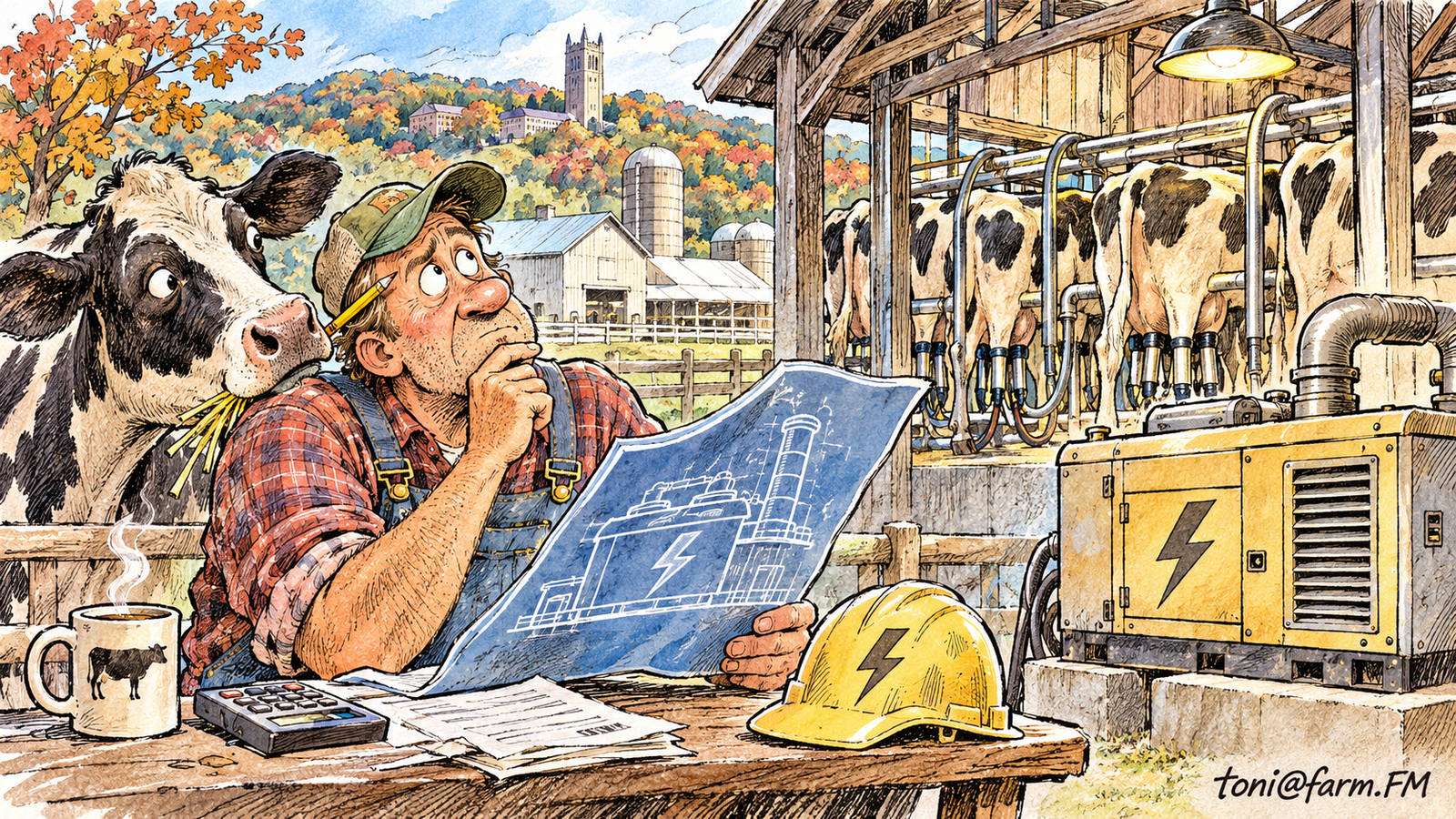
Where does energy hide in a farm budget?
Start with the obvious: diesel for tractors and trucks, and nitrogen fertilizer, which is made with natural gas as an input and an energy source. Then look further. Electricity runs irrigation pumps, grain bins, milking equipment, shop tools and cooling. Propane dries grain and heats shops and barns. Natural gas and electricity show up in the price of every processed input.
Energy also rides inside things that do not look like energy: plastic twine and wrap, tires, chemicals, steel parts, and freight on everything you buy and sell. When someone says energy costs rose, much of the pain may land in a line item that does not say energy on the invoice.
Why do some energy costs sneak up on you?
Fuel gets noticed because it is bought in volume and you see the price on the pump. Other costs arrive as part of a bundle. A delivery charge, a fuel surcharge, a price per ton that quietly moved, or a utility rate change tucked into a bill can all raise cost without a dramatic headline.
The Bureau of Labor Statistics and FRED publish price series you can use to see how energy-related prices have moved over time. Read them with care, since a national average may look different from what you pay locally. A producer near Enid hauling grain a long way will feel freight differently from one next to the elevator, so compare your own bills to the trend and not the other way around.
What can a farm track to see its real energy picture?
The best tool is a simple log. Record fuel, electric, propane and natural gas bills by month, then add freight and surcharges from your input invoices. After a year you can compare per-acre or per-head energy costs from one year to the next and see which line really moved.
The records habits are covered at this farm money resource, and the equipment side, including fuel use and maintenance, is at this tractor and equipment guide.
- Monthly electric and irrigation power bills
- Propane and natural gas for drying and heating
- Diesel and gasoline by vehicle or implement
- Freight and fuel surcharges on inputs
- Plastics, tires and parts, noted when prices jump
What do supporters of different approaches say?
Some producers and groups argue that domestic energy production and fewer restrictions will lower costs for everyone who works the land. Others argue that efficiency, renewable power and on-farm generation offer a hedge against price swings and extra income from leased wind or solar acres. Each side has supporters in rural Oklahoma, and each has a point.
What is disputed is how much any policy changes prices on a working farm, and over what time. Read the arguments, look at the cost analyses from sources like USDA ERS and the Kansas City Fed, and run your own numbers rather than taking anyone's word.
What can be done on the ground?
Efficiency pays on its own: right-sized motors and pumps, tuned irrigation schedules, tighter grain bins, fewer idle hours and regular maintenance. The USDA NRCS and USDA FSA offer programs and technical help in some cases, and OSU Extension has staff who know irrigation and energy use in this region. Check current program rules before planning around one.
Timing can matter too. Ask your suppliers about prepay or fill agreements, and weigh the savings against the risk that prices drop after you lock in. Think of it as insurance with a cost.
How does this fit the bigger farm economy?
Energy is one reason margins can shrink even when commodity prices hold. It touches both what you pay for inputs and what you pay to move the crop. The squeeze is wider than diesel, and the answer is wider than one decision. Start by finding the three biggest energy lines on your own books, then ask what each would cost if prices rose by a quarter, and let that guide where to spend your attention first.
Over at farm.FM the agribusiness coverage keeps tabs on input costs, and a farm.FM piece about energy and fuel costs is worth a read. For a look at the lighter side, the satire page tends to have something for the days when the utility bill arrives.
Sources and further reading
- Bureau of Labor Statistics: labor and price data
- FRED: Federal Reserve economic data
- USDA Economic Research Service: farm economy data and analysis
- Kansas City Fed Agriculture: farm credit and land value surveys
- USDA NRCS: conservation programs and technical help
- OSU Extension: Oklahoma State extension
Ask locally: Ask your county OSU Extension educator or your electric cooperative about irrigation and energy efficiency.