Crop Insurance Is Not a Substitute for a Working Farm Economy
Insurance can keep a bad year from becoming the last year. It cannot make a farm earn money. Here is what crop insurance does well, where it stops and what has to be fixed elsewhere.
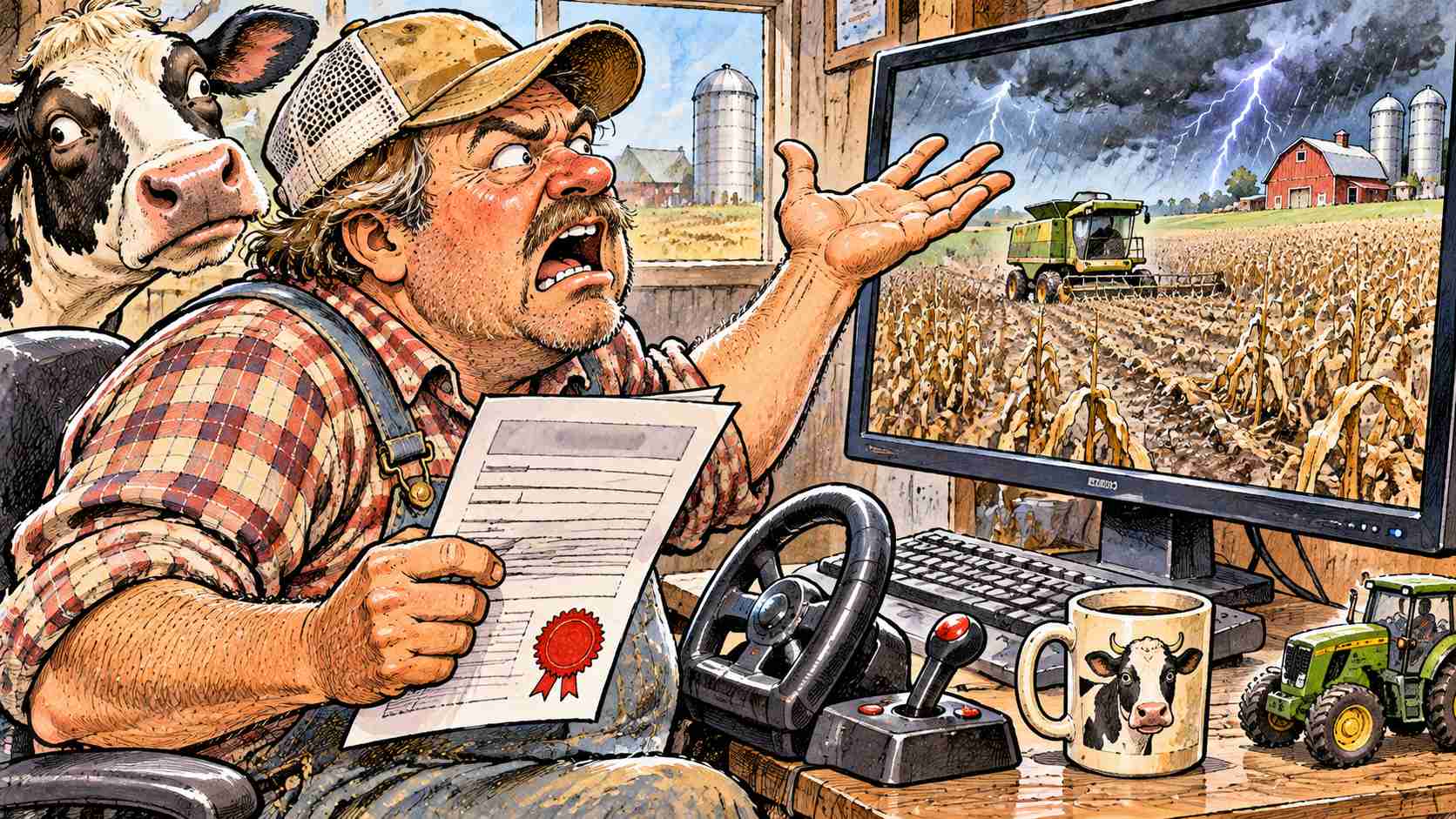
What does crop insurance actually do?
Crop insurance pays when yield, revenue or both fall below a chosen level because of covered causes. It is bought through licensed agents, backed by federal rules and supported by premium subsidies. It does not guarantee a profit. It guarantees a floor, set by your history, the coverage level you choose and the price used by the policy.
For the official rules, see the Risk Management Agency, which lists policies, deadlines and tools to find an agent. Terms, dates and subsidy levels change, so check the current details for your crop and county.
A farmer around Enid growing wheat faces different options and dates than a grower in the Panhandle's irrigated corn, so match the policy to the crop.
Premiums are shared between the farmer and the program, but the farmer's portion is real money due on a set date. Factor it into your budget the way you would rent or seed.
Why is insurance not a farm economy?
A floor is only useful if the structure above it works. If the cost of seed, fuel, fertilizer and land runs higher than the price a crop brings, a farm can lose money every year while insurance technically does its job. The title makes this point: protection from disaster is not the same as profit from production.
The deeper issues are margins, market access and input costs. USDA Economic Research Service tracks costs and returns, and farmdoc daily analyzes how insurance interacts with farm income.
There is also a longer-term worry: when insurance makes bad years survivable, a farm can become dependent on it while prices stay low. Supporters say that is the point. Critics say it can delay needed change. Both views deserve a hearing.
What are the gaps?
Common gaps include deductibles, coverage levels that miss the losses you actually face, crops without good policies, and events that fall outside covered causes. Insurance also does not cover the higher cost of replanting delays, rent on lost ground or the cost of storing crops that cannot be sold at a decent price.
Ask your agent plain questions: what is my guarantee, what is my deductible in dollars, what happens if I cannot plant in time, and what is not covered? Ask for an example of a bad year in writing.
Livestock and forage producers have different tools, and ARC and PLC and other FSA programs operate alongside insurance. Read each program's current rules.
A hypothetical example: a wheat farmer chooses a mid-level coverage, hits a hail loss and receives a claim that covers some, not all, of the cost of production. That is how the product is designed, and why understanding the deductible matters.
What do supporters and critics say?
Supporters say crop insurance is the backbone of the farm safety net because it is market-based, predictable and widely used, and it helps farmers get credit. Lenders often want to see it before approving an operating loan.
Critics respond that subsidies can favor larger operations, that insurance can encourage planting on marginal ground and that it costs taxpayers significant sums. Others say the real problem is the economy beneath it. Analyses from the Congressional Budget Office and the GAO lay out the disputed facts.
How should a farm use insurance wisely?
Treat insurance as one tool. Pair it with a break-even budget, a marketing plan and a conversation with your lender. Choose coverage based on your own risk and costs, not habit. OSU Extension offers decision tools and workshops in many counties, and the crop guide on our sister network adds planning basics.
Keep records of yields and acres, because they feed your insurance history and your loan file. Oklahoma Farm Bureau can also direct you to local resources.
What is the larger takeaway?
A healthy farm economy needs fair prices, workable input costs and reliable markets. Insurance is a seatbelt, not an engine. For more, farm.FM runs agribusiness and farming coverage, and a farm.FM story on crop insurance adds context. The farm money guide also looks at margins.
This is general education. Talk with a licensed insurance agent and your lender before changing coverage.
Share your insurance and loan questions with neighbors too. Farmers at the co-op often know which agents answer the phone in a hurry and which ones explain things well.
Sources and further reading
- USDA Risk Management Agency: crop insurance
- USDA Economic Research Service: farm economy data and analysis
- farmdoc daily: University of Illinois farm economics
- ARC and PLC: FSA commodity safety-net programs
- Congressional Budget Office: cost estimates for federal programs
- OSU Extension: Oklahoma State extension
Ask locally: Ask a licensed crop insurance agent, your lender, or an OSU Extension farm management specialist.