The Real Reason Your Farm Insurance Premiums Keep Climbing
Few bills sting like an insurance renewal that jumps again. Here are the pressures that push premiums up, and what you can do about them without gutting your coverage.
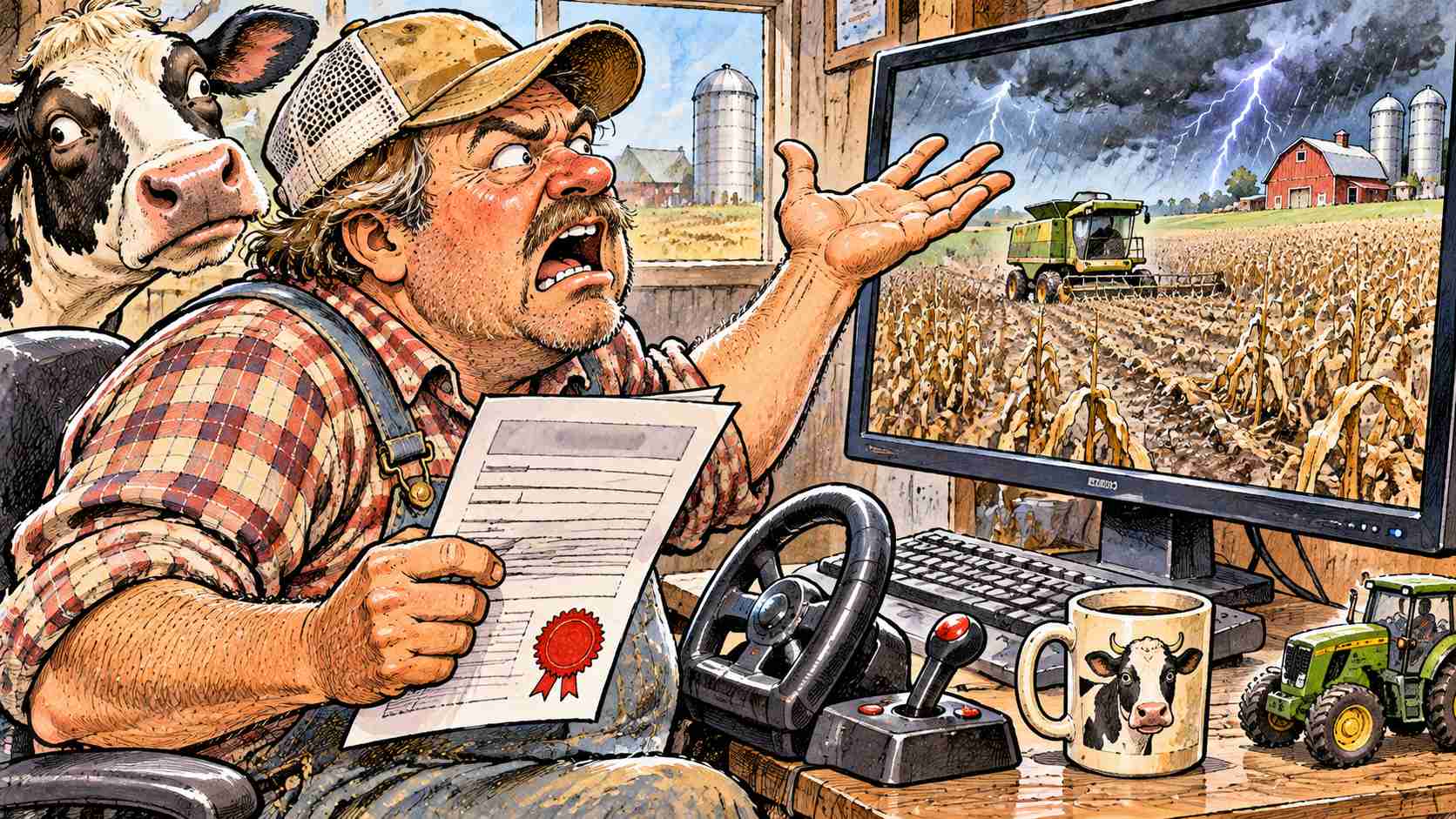
What pushes farm insurance costs up?
Insurers set premiums based on expected losses and costs. Severe weather, hail and wind damage, wildfire, rising repair and replacement costs, litigation and reinsurance prices all play a part. In Oklahoma, storms are a constant factor. Check what your insurer cites at renewal, and ask for specifics.
The headline promises a single real reason. In truth, there are several, and they vary by policy type. Be careful with simple answers. Keep a list of questions for your agent and write down the answers.
If your premium jumped but your coverage did not, ask the agent to compare this year's declarations page to last year's, line by line. Sometimes the increase hides in a change of limits or deductible.
Which policies are we talking about?
Farm property and liability, equipment and vehicle coverage, livestock, workers compensation and crop insurance each have their own pricing. Crop insurance is federally supported and administered through the Risk Management Agency, with premiums set under federal rules. Other lines are priced by private insurers and regulated by the state.
Know which bill you are looking at before you complain, so you know whom to ask. A call to the right agent or the carrier's service line will tell you quickly which policy moved the most.
A quote for a new policy can look cheaper because the coverage is thinner. Ask for the same limits and the same terms before you compare, and ask the agent to point out what is excluded.
How do you review your coverage?
Pull every policy and list what it covers, the limits, the deductibles and the exclusions. Check that values match current replacement costs. Look for gaps, like business interruption, pollution or hired labor. Avoid cutting coverage blindly to save on premiums.
Ask your agent to explain every line that changed since last year. Weather and claims history can change rates, and changes in your operation, such as new buildings or equipment, can too.
Consider an annual review meeting every year, not just when the bill spikes. Farms change, and a policy written for the farm you had five years ago rarely fits the farm you have now.
- Policy limits and deductibles
- Replacement cost versus actual cash value
- Exclusions and endorsements
- Liability and umbrella coverage
- Claims history impacts
How can you shop smart?
Compare quotes from several agents, including independent agents who represent multiple carriers. Compare coverage side by side, not just price. Ask about discounts for safety improvements, bundled policies and higher deductibles that you can afford.
OSHA and the farm safety guide help lower injury risk, which matters for liability and workers compensation. Ready.gov offers disaster preparedness tips that can reduce losses.
Take a few photos and keep an inventory of equipment and buildings with serial numbers and approximate values. If a claim comes, that file saves time and arguments.
What does the state do?
The Oklahoma Insurance Department regulates insurers in the state and takes consumer complaints. Check the official Oklahoma pages through Oklahoma.gov for how to reach them. Extension offices such as OSU Extension sometimes run risk management workshops.
Talk to a licensed insurance professional about your needs. This article is general education.
Mention USDA Economic Research Service data if you want to see how farm expenses across the country compare, though your own claims history matters most.
What is the debate over rising premiums?
Supporters of insurers argue that premiums track real risk, that storms and repair costs have grown and that insurers must stay solvent to pay claims. Critics respond that rate increases can be opaque, that rural customers have fewer options and that some insurers pull out of risky areas. A longer view helps too. Premium history over several years tells you more than a single renewal does.
The facts differ by company and year, and are debated. Ask for explanations in writing, and file complaints if something seems wrong.
What is the budget view?
Treat insurance as a fixed cost to budget and review annually. Add a risk plan: emergency savings, maintenance and safety practices. Link it to your break-even work with the farm money guide. Review it again after any major purchase, expansion or loss, since changes in your operation change the risk the insurer sees.
For more, see farm.FM agribusiness and farm satire, and a farm.FM story on insurance premiums.
A modest emergency fund also lets you raise a deductible with less worry, which can ease the premium.
Sources and further reading
- USDA Risk Management Agency: crop insurance
- OSHA: workplace safety
- Ready.gov: FEMA disaster preparedness
- Oklahoma.gov: state government portal
- OSU Extension: Oklahoma State extension
- USDA: U.S. Department of Agriculture
Ask locally: Ask an independent insurance agent and the Oklahoma Insurance Department about your coverage. General education, not insurance advice.