The Supply Chain Squeeze: When You Can’t Get Parts or a Fair Price
A combine down in harvest with no part in sight is a special kind of misery. Supply chain trouble is a cost and a timing problem, and a little planning blunts both.
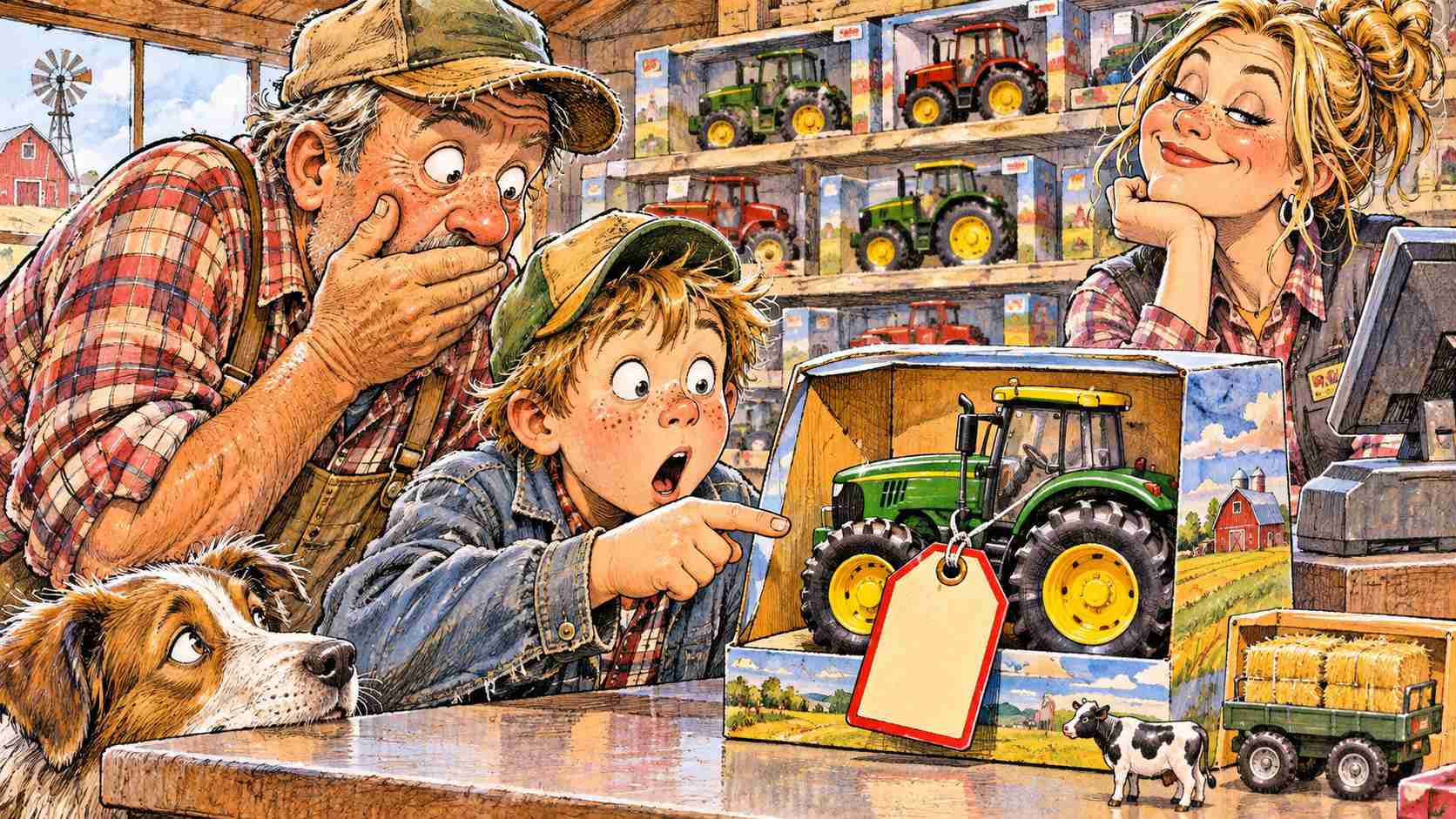
Why does the squeeze happen?
Farm inputs and equipment rely on long chains of manufacturers, shippers, distributors and dealers. A problem anywhere along the line can delay a part or push up a price. Trade policy, transportation and weather add pressure. Data on trade flows is posted by the U.S. International Trade Commission, and price data by the Bureau of Labor Statistics. Check them for current numbers rather than trusting a rumor.
The headline speaks to the frustration of paying more and waiting longer. Specifics differ by product and region, so talk to your dealer about what is really delayed.
Anyone who farms near Enid has a story about a repair that sat for days because one small part was backordered. Those stories are why the topic lands, and why a little planning feels like power.
Which costs bite hardest at the farm gate?
Fertilizer, fuel, chemicals, seed, tires and repair parts are the usual pain points. Farm income depends on prices that you do not set, so higher costs come straight out of margins. USDA Economic Research Service tracks farm costs and returns, and the numbers help you see the trend.
A delay costs as much as a price hike when it hits a narrow window. Planting a week late or harvesting late can cost yield and quality.
- Fertilizer and crop protection
- Fuel and freight
- Tires, belts and wear parts
- Electronic components in newer machines
- Dealer service time in peak season
How do you plan around parts delays?
Make a list of wear items for each machine and order before the season, not during it. Keep a small stock of belts, filters, bearings and hoses. Service equipment in the off-season so problems show up in winter. Keep manuals and part numbers in one place.
Know a backup. A neighboring farmer with the same model, a salvage yard or a second dealer can save a day. The tractor and equipment guide covers maintenance and buying decisions.
Write the plan down once and reuse it. A one-page checklist for each machine, with model numbers, filter sizes and dealer phone numbers, turns a scramble into a quick call.
How do you get a fairer price?
Ask for quotes from at least two sources and compare the full delivered cost, including freight and tax. Buy early when you can store safely, and consider group purchasing through a cooperative or a neighbor pool. Do not assume your usual supplier is the cheapest or the most reliable.
Watch the timing. Locking in input prices with early orders can protect against swings, though it also risks missing a decline. Whatever you do, put it in your budget and compare to your break-even. The farm money guide helps with budgeting.
Ask about crop insurance and any prevented planting or delay provisions if a supply problem pushes your timing, and confirm the rules with your agent before the season rather than after.
What do supporters of right to repair argue?
A related fight is over who can fix modern machinery. Supporters argue that farmers should have access to the tools, software and parts needed to repair their own equipment or use an independent shop. They say it cuts downtime in the field and keeps costs in check.
They point out that a rural farmer waiting days for an authorized technician loses more than the repair bill.
What do critics respond, and what is disputed?
Manufacturers respond that safety, emissions rules and intellectual property complicate open access, and that dealers provide warranty support and trained technicians. They argue that some modifications can create risks.
How much of the downtime comes from repair restrictions and how much from parts shortages is disputed, so look at the actual policy proposals and data. Official trade and price data from FRED can help you see long-run trends.
Be wary of any single chart that claims to explain the whole squeeze. Parts, freight, fuel and trade rules each move on their own clocks.
What can you do this season?
Plan early, compare suppliers, and keep a repair fund. Talk to OSU Extension about cost-cutting approaches. If supplier prices are squeezing you, talk to your lender about options before payments are late.
For commentary, see farm.FM agribusiness and the satire section, and a farm.FM story on parts shortages.
The goal is not to eliminate surprises, only to make each one cost a little less than the last.
Sources and further reading
- U.S. International Trade Commission: tariff and trade data
- Bureau of Labor Statistics: labor and price data
- USDA Economic Research Service: farm economy data and analysis
- FRED: Federal Reserve economic data
- OSU Extension: Oklahoma State extension
- USDA: U.S. Department of Agriculture
Ask locally: Ask your equipment dealer, a trusted mechanic or OSU Extension about maintenance planning and supplier comparisons.