Why the “Great American Agriculture Celebration” Feels Hollow to Many
A celebration is nice. A paycheck is better. Here is why recognition without relief can feel empty to farm families, and what many say would matter more.
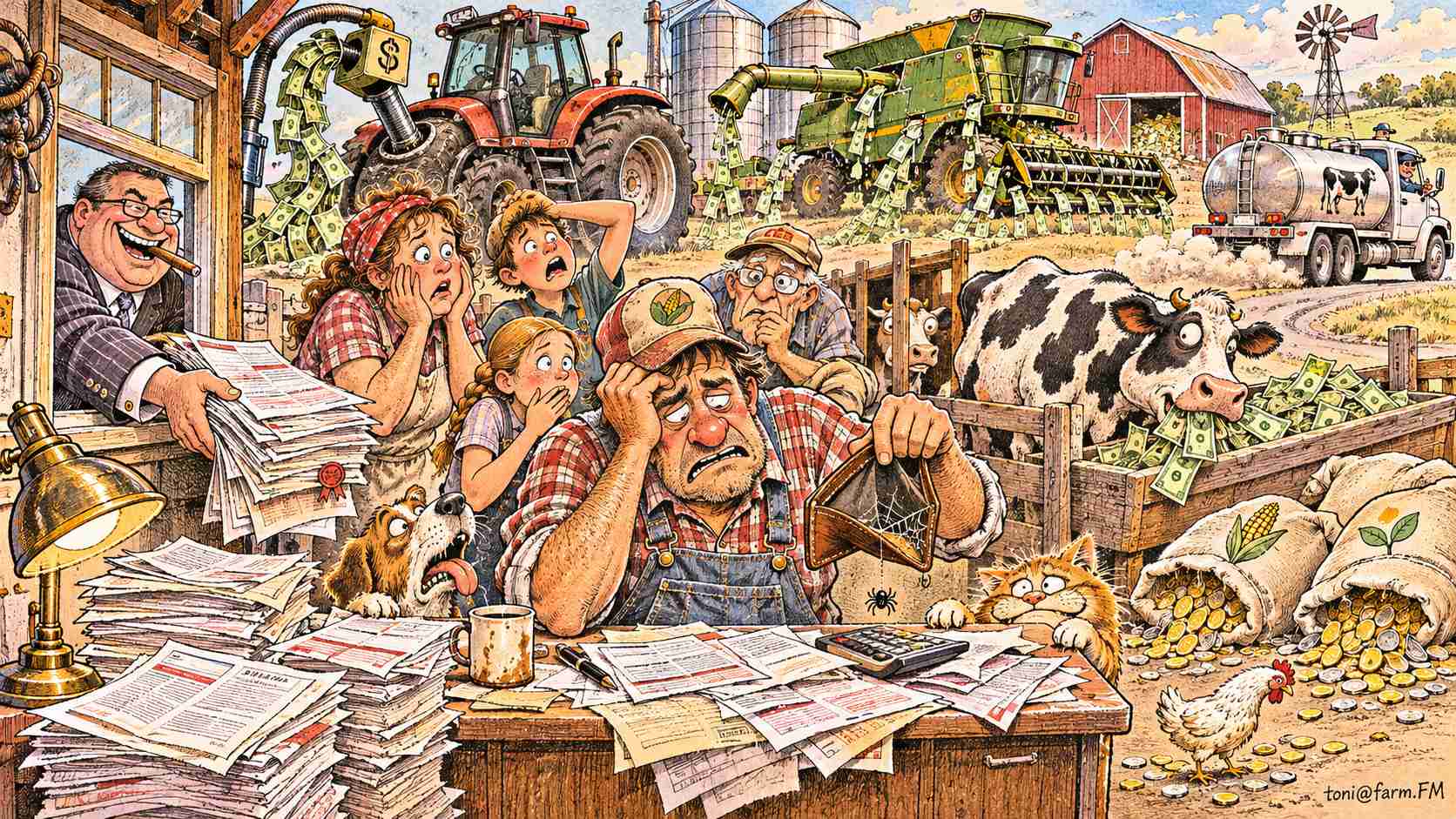
What is the celebration, and how do we treat it?
The title is an editorial headline about a named celebration of agriculture. We do not describe its program or claims. If you want details, check official announcements from USDA or your state agency, and read them for yourself.
Public recognition of farming is not a bad thing. The complaint in this piece is about what recognition can and cannot do.
Many of us enjoy a good festival. The trouble starts when the festival is the main thing the industry gets.
Why might it feel hollow?
When costs are high and prices are weak, praise does not pay the bills. Farmers can feel that words come cheap while the underlying problems, such as debt, input costs and trade swings, stay unchanged. The same applies to parades and slogans anywhere.
There is also the gap between how farming is celebrated and how it is treated in policy, markets and paperwork. People notice it. A farmer who has just finished a long harvest will tell you the best thank-you is a fair price at the elevator.
A parade down Main Street means more when the bank, the dealer and the elevator are also treating farmers fairly, and less when they are not.
What would count more than ceremony?
Farmers often name fair prices, lower costs, reliable access to markets, workable rules and help in a bad year. Others mention rural healthcare, broadband and schools. ERS data and the Ag Economy Barometer show what producers say is on their minds. Check each source for current figures.
The point is not that celebration is wrong. It is that it should come with action. Which item matters most depends on the farm. A cow-calf outfit near Enid has different priorities than a vegetable grower near a city, and good policy should leave room for both.
Notice that most items on that list can be measured. That is a good test of any promise: can you tell afterward whether it happened?
- Fair and stable prices
- Lower input and borrowing costs
- Access to markets and trade
- Workable rules and paperwork
- Rural services and infrastructure
What do supporters of such events argue?
Supporters argue that public attention builds understanding among consumers and lawmakers, that it honors people whose work is often unseen and that morale matters. They say events can open the door to programs and investment, and that youth involvement through groups like FFA and 4-H grows from visibility.
They add that a celebration does not have to replace policy to be worthwhile.
A fair point in their favor is that kids who see farming celebrated are more likely to consider it as a career, which the whole industry needs.
What do critics respond?
Critics respond that symbolism can stand in for substance, and that the cost and attention could be used elsewhere. They argue that farmers have heard promises before, and that trust grows from results. A useful habit is to keep a short list of announced promises and check it a year later.
Whether a specific event helps is a matter of facts and outcomes that you should check. Read what was announced and what followed.
How can a farmer make recognition useful?
Use attention to tell your story, with numbers. Invite a legislator or a neighbor from town to the farm. Share your cost and margin picture with local leaders and your state agency such as ODAFF. Join a farm organization like Oklahoma Farm Bureau to be counted.
The rural farm guide and small farm guide cover community support ideas for families in places like Enid.
If you only have an hour, spend it on your own numbers. A clear budget does more for your operation than any celebration. FSA loan information is also worth a look when credit is tight.
Where can you find some humor and perspective?
Sometimes the best answer to ceremony is a joke. See farm satire and farm news at farm.FM, and read a farm.FM story on farm celebrations.
Then get back to work, check your numbers and call your lender. Laughing at the gap between the speech and the balance sheet is an old farm tradition.
Sources and further reading
- USDA: U.S. Department of Agriculture
- USDA Economic Research Service: farm economy data and analysis
- Ag Economy Barometer: Purdue/CME farmer sentiment survey
- Oklahoma Dept. of Agriculture, Food and Forestry: state agriculture agency
- Oklahoma Farm Bureau: state farm organization
- USDA NASS: agricultural statistics and surveys
Ask locally: Ask your county Farm Bureau or extension office how to get your cost and margin story in front of local leaders.