What Happens When the Safety Net Is a Patchwork of Promises
The farm safety net is not one program. It is a set of tools that cover different risks, and understanding which tool covers which risk is the best protection against surprises.
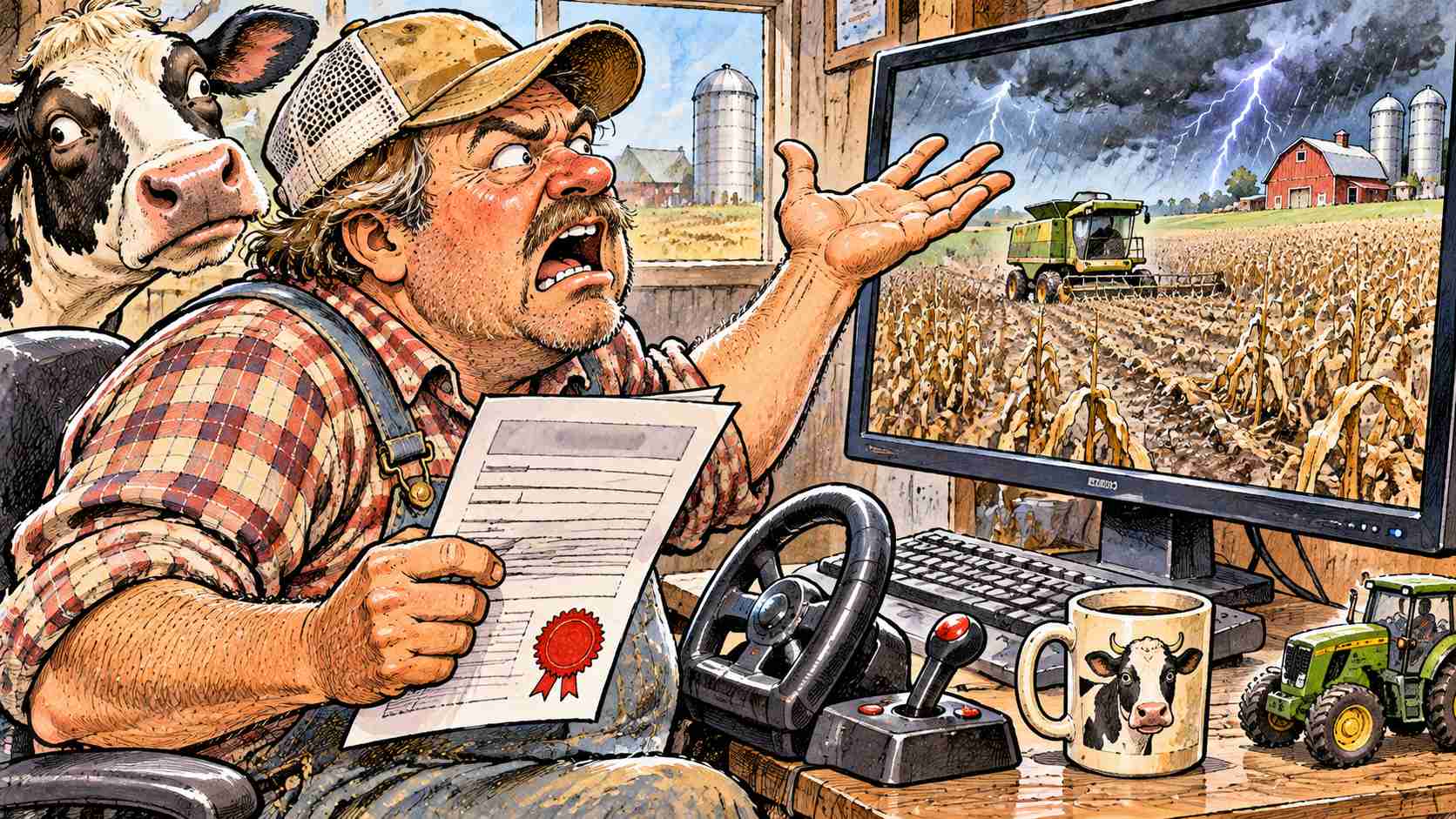
What is in the farm safety net?
The safety net generally includes crop insurance, commodity programs, disaster assistance, conservation payments and farm credit options. Each is built for a different kind of risk, from yield loss to low prices to a specific disaster. Rules and terms change, so confirm current details with each agency.
Start with the basics at Farmers.gov, which links to USDA programs, and the ARC and PLC pages for commodity support. USDA RMA covers crop insurance. Together they show what is permanent and what is temporary.
Think of the net in layers. Insurance is the base layer, paid for in part by the producer. Commodity programs sit above it for price and revenue swings. Disaster and emergency programs fill in when the first two do not apply, and credit programs provide time when cash runs out. Seeing the layers makes it easier to spot where yours is thin.
Where does the patchwork show up?
A patchwork appears when programs overlap, when some risks fall between programs and when temporary aid is layered on top of permanent rules. Producers end up navigating different sign-up dates, eligibility rules and payment limits across agencies, and each one is a place to make a costly mistake.
A grower who has insurance for yield loss may still have no protection from a price collapse, and a rancher covered for drought may have no help with feed price spikes. Naming those gaps is the first step to deciding how to fill them.
For a wheat grower around Enid, a hail storm may be covered by crop insurance, while a sudden drop in the price at the elevator is only partly addressed by commodity programs. For a cow-calf operation, drought may trigger forage coverage or emergency help, while a spike in feed costs may trigger nothing at all.
How can you map your own coverage?
Make a one-page grid. List each major risk down the side: weather, price, input costs, trade, disease, accident and health. Across the top, list what covers each risk and who to call. Leave blanks where nothing covers a risk.
Take the grid to your insurance agent, your FSA office and your lender. Ask where the gaps are and which ones are worth paying to fill. The farm money guide and farm safety guide give more ideas.
- Weather and yield
- Price and revenue
- Input cost spikes
- Injury, illness and family health
What do supporters of the current system say?
Defenders of the current approach argue that a flexible patchwork can respond to specific events faster than any single formula, and that crop insurance and commodity programs already give a solid base. They say layered tools allow targeted help.
They also point out that farm programs are among the more developed support systems in any industry, and that producers have more choices than they used to. Choice, they say, is worth some complexity.
One more argument in favor of the patchwork is speed. A permanent program can take years to design and change, while a temporary one can be built within months. That speed matters when a farm is staring at a harvest and no cash.
What do critics say?
Critics respond that complexity itself is a cost. Small and mid-sized operations with little time to study rules lose out, and promises that depend on future votes cannot be banked at a lender. A safety net, they argue, should be something you can count on before the fall.
The GAO publishes reviews of how federal programs perform, and the Congressional Budget Office estimates what they cost. Reading them is a way to check the argument against evidence.
Some critics add that the patchwork rewards those with the most time and expertise to apply. A farm with an accountant on call and a full-time office manager can file quickly. A two-person operation in the middle of calving or planting may not.
What does this mean in Oklahoma?
Oklahoma producers face drought, wildfire, hail and swings in wheat and cattle markets. State agencies and groups such as the Oklahoma Department of Agriculture, Food and Forestry and OSU Extension help explain programs that apply here.
For more reading, farm.FM covers the policy side in its news section and the economics at the agribusiness desk, including a farm.FM story about the farm safety net. Check current program rules at the official source.
One last habit: put sign-up dates for every program on a single calendar. Missing a date is the most common way to lose coverage you were eligible for, and it costs nothing to write them down.
Sources and further reading
- Farmers.gov: USDA one-stop site for producers
- ARC and PLC: FSA commodity safety-net programs
- USDA Risk Management Agency: crop insurance
- GAO: government watchdog reports
- Congressional Budget Office: cost estimates for federal programs
- OSU Extension: Oklahoma State extension
Ask locally: Ask your crop insurance agent, your county FSA office and your lender to review your coverage together.