From Grievance to Action: What Farmers Can Do When Washington Won’t Listen
Anger at Washington is easy to find at the sale barn. Turning it into something that changes a rule, a payment or a form is harder, and that is where this practical guide begins.
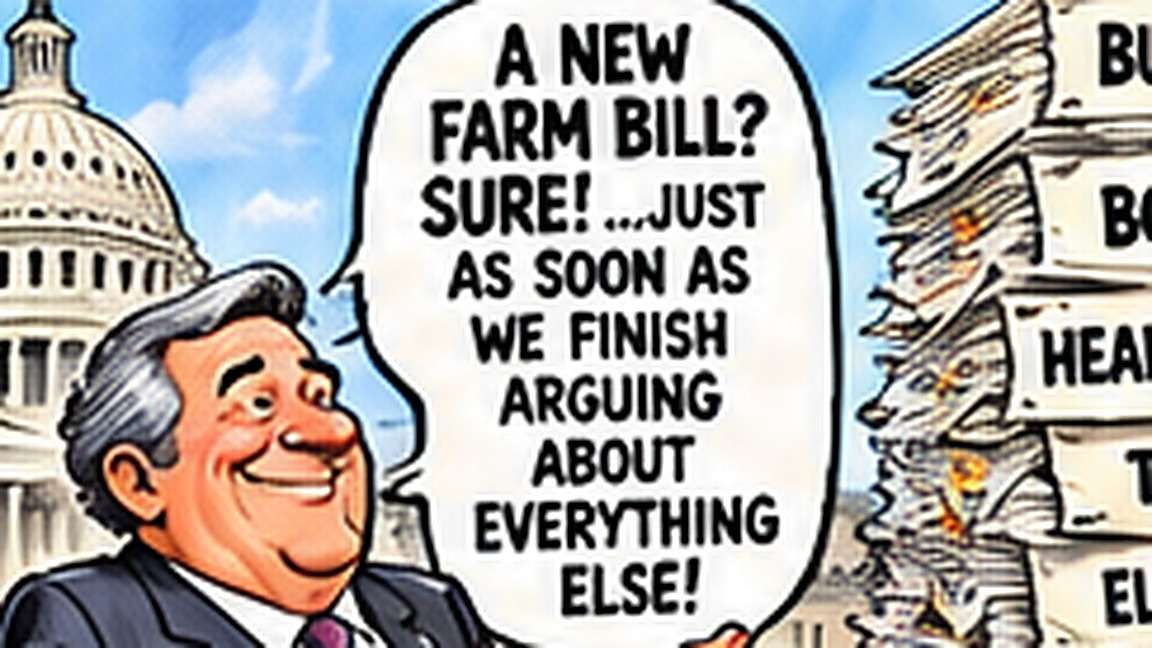
Why does grievance often go nowhere?
Frustration is real, but it often lacks a target. A general complaint, like they do not understand farming, is hard to answer. Officials get hundreds of those. What gets noticed is a specific problem, a specific cost and a specific fix.
That is not because the system is fair or fast. It is because staff and lawmakers deal with large volumes of input and respond to what is clear, documented and repeated.
How do you build a specific ask?
Write one sentence for the problem, one for the cost to your operation and one for what you want changed. Name the program, the rule or the agency. Attach a number if you can: dollars, hours or days of delay. Keep it short. A one-page letter with a clear request will be read, while a five-page rant, however justified, tends to be skimmed. Send a copy to your farm group so they can see the pattern if others report the same problem.
If you can, find the section of the law or rule involved. Congress.gov tracks bills and their status, and agencies post proposed rules and comment periods. Confirm current deadlines directly.
- The problem in one sentence
- The cost to your operation in a number
- The change you want
- The program, rule or agency involved
- Your county and what you raise
Who can carry your ask?
Start with your elected officials' local offices, which handle casework with agencies. Farm organizations like the Oklahoma Farm Bureau, the National Farmers Union and the American Farm Bureau Federation bring member concerns to lawmakers. Commodity and cattle groups do the same for their members.
If your issue involves a state agency, contact the Oklahoma Department of Agriculture, Food and Forestry. For federal programs, your county FSA office can explain what it can and cannot do, and who to ask next.
What do cynics say, and are they wrong?
Cynics say nothing changes and that large players always win. There is truth in that, and some fights are long. But local casework resolves individual problems, comment periods shape final rules and groups with organized members influence bills. Quiet persistence tends to beat loud anger. Follow up politely every couple of weeks, keep a log of who you spoke to and when, and thank the staffer who helps you, because that person is often the one who will help the next farmer too.
Supporters of direct action argue that organized protest and public pressure matter. Others argue that insider relationships matter more. Many successful efforts use both. Choose the approach that fits your situation and your temperament.
What can you do locally?
Not every problem needs Washington. County commissions, school boards, conservation districts and rural water boards make decisions that hit farms directly. Showing up costs less than flying to D.C. and often changes things faster.
Local organizing also builds the relationships that matter in hard times. The rural community side is covered at this rural community guide, and farm money planning at a farm money guide.
What should you do on a bad day?
Take a breath. Anger can eat a person up, especially when money is tight. If stress feels like too much, call or text 988 to reach the 988 Suicide and Crisis Lifeline. Talking to someone is a sign of strength.
Pick one issue, one office and one action this week. A single well-aimed letter beats a month of stewing. If the issue turns out to be tied to a rule that already has a comment period open, add your note there, because those comments become part of the official record that decision makers must read and answer.
Where can you keep going?
Follow the committees that handle your issue, such as the House Agriculture Committee and Senate Agriculture Committee. Join a group, share what you learn with neighbors and keep records of your efforts.
Over at farm.FM the farm news section and satire page keep watch on Washington with a lighter touch, and a farm.FM story on farmers and advocacy adds more. Keep your sense of humor, and keep your records.
Sources and further reading
- Congress.gov: bills and legislative status
- Oklahoma Farm Bureau: state farm organization
- National Farmers Union: national farm organization
- American Farm Bureau Federation: national farm organization
- Oklahoma Dept. of Agriculture, Food and Forestry: state agriculture agency
- 988 Suicide & Crisis Lifeline: call or text 988
Ask locally: Ask your county FSA office or local Farm Bureau chapter which office can help with your specific issue.
Related articles
- “We Aren’t Being Listened To”: Inside the New Farmer Poll That Should Worry Washington
- Congressional Inaction: Why Farmers Are Still Waiting for a Five-Year Farm Bill
- Ad Hoc Aid Is Not a Farm Bill: The Frustration of Farming on Temporary Payments
- What Happens When the Safety Net Is a Patchwork of Promises