Ad Hoc Aid Is Not a Farm Bill: The Frustration of Farming on Temporary Payments
A check in the mail is welcome. Planning a farm around checks that might not come next year is a different matter, and that is the heart of the frustration.
What is ad hoc aid?
Ad hoc aid means one-time or short-term payments created outside the regular farm bill, often in response to a price drop, a trade dispute or a weather event. Programs, eligibility rules and payment rates differ from case to case, so the details should be confirmed through Farmers.gov or your local FSA office.
Those payments can be a lifeline. They are also uncertain: the next one depends on political will, budget room and timing, not on a formula you can check in advance.
Some of the best known rounds of aid in recent memory were attached to trade disputes and disasters, and each came with its own formula, caps and paperwork. That variety is part of why producers describe the system as a patchwork when they talk about it.
Why do producers say it is not enough?
Supporters of a durable farm bill argue that credit, rent and equipment decisions run on multi-year timelines. A lender cannot count a payment that has not been authorized, so aid that arrives late may repay old debts rather than support new investment.
They add that ad hoc rules can change between sign-ups, which leaves producers reading fine print instead of farming. That unpredictability is the heart of the frustration, more than any one program.
The other cost is attention. Time spent waiting for announcements and decoding eligibility rules is time not spent on marketing and planning. Small and mid-sized operations in places like Enid, where one person often handles production and the books, feel that cost most. The small farm information site offers planning ideas that fit that reality.
How does it work at the lender's desk?
Lenders generally look at expected income from sales, insurance and established programs. Temporary payments may be viewed as one-time help rather than reliable income. Ask your loan officer how they treat them, and keep records showing how you used past payments.
If you are planning a loan around aid, bring documentation, and talk about contingencies. FSA county staff can explain program sign-up and recordkeeping, and FSA loan programs may help if cash flow is tight.
Cash flow timing matters as much as the amount. A payment that arrives after a loan comes due can still help, but it will not prevent the late fee or the awkward renewal conversation. If you see a gap coming, call your lender before it opens rather than after.
- Keep sign-up and payment records together.
- Separate one-time aid from your base budget.
- Ask how your lender treats expected payments.
What do critics of the complaint say?
Critics respond that ad hoc aid can be faster and more targeted than waiting on a full bill, and that it lets Congress respond to a specific disaster. Some argue that flexible aid prevents a program from locking in the wrong formula.
Others say the debate overstates the problem, because crop insurance and standing programs remain in place. The USDA Risk Management Agency outlines the insurance side. The strongest version of the disagreement is about predictability versus flexibility, and reasonable people land in different places.
How to budget around temporary payments
Treat any aid as a bonus until it is in the bank. Build your base budget on prices, yields and costs you can defend, then add aid as a separate line. If aid arrives, decide in advance how much goes to debt, savings and repairs.
This habit also makes your story clearer to a lender. A producer who shows a break-even without aid and a plan for aid when it comes looks more prepared than one whose numbers fall apart without it. The farm money guide covers simple budgeting.
A simple rule helps: write down what you would do if aid never came. If the plan still works, the aid is gravy. If it does not, you have just found the real problem, and you can talk to your lender, a farm management specialist or an accountant about fixes.
A word of dry humor and where to read more
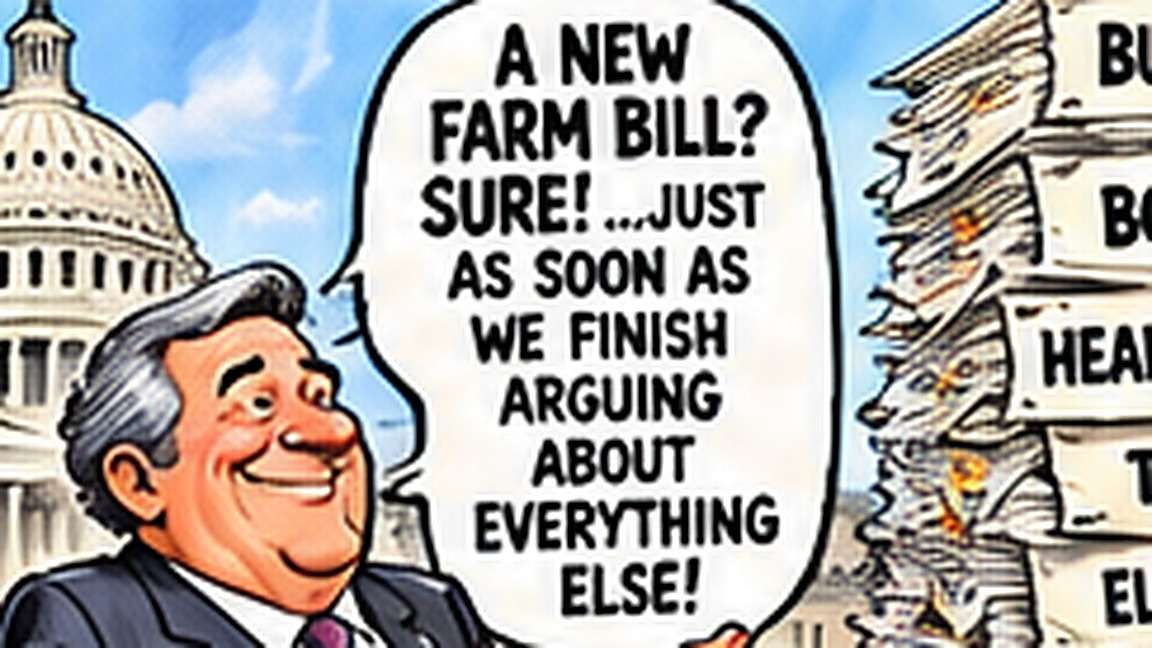
If you have ever tried to explain a payment schedule to a neighbor, you know why the satire writers have material. Over at farm.FM, the farm satire desk has a good time with this, and a farm.FM story on temporary farm aid is worth a read with your coffee.
For the serious side, follow rules at the source and check current terms yourself. The Oklahoma Farm Bureau and the National Farmers Union both publish policy positions, and the agribusiness section on farm.FM tracks the economics.
Satire works because the underlying frustration is real, and the best jokes come from details that farm families recognize at once. Humor is no substitute for policy, but a laugh over a form that makes no sense can make a long week a little shorter.
Sources and further reading
- Farmers.gov: USDA one-stop site for producers
- USDA Farm Service Agency: FSA farm programs and loans
- FSA Farm Loans: FSA direct, guaranteed, microloan and emergency loan information
- USDA Risk Management Agency: crop insurance
- Oklahoma Farm Bureau: state farm organization
- National Farmers Union: national farm organization
Ask locally: Ask your county FSA office, your crop insurance agent or your lender how temporary payments fit your plan.